If you want to work with Lee Daniels, the Academy Award–nominated director behind “Precious” and “The Butler,” you’d better not be afraid of heights. “I’m desperate to keep it fresh,” he says, “which is to say: I love actors who are willing to jump off the cliff with me.”
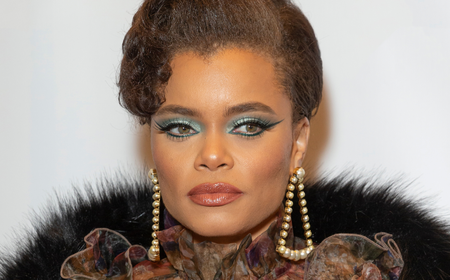
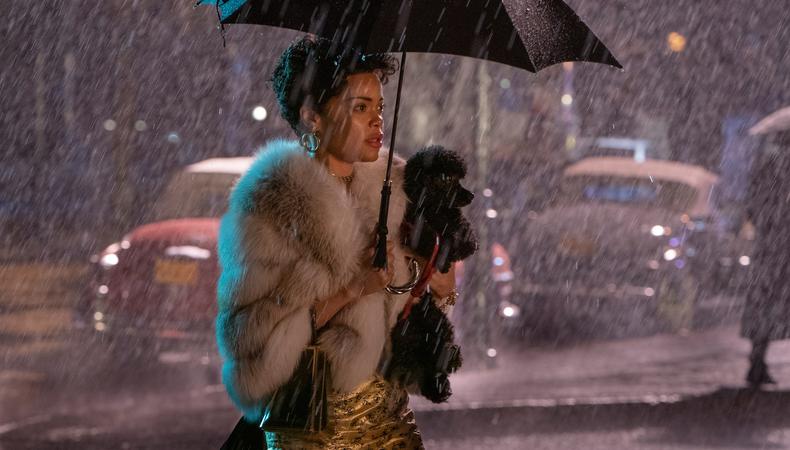
That mentality explains why, for the title role in “The United States vs. Billie Holiday,” Daniels didn’t hoist the feature onto the back of a decorated film actor. Instead, he went with singer Andra Day, who stepped onto set having never acted in front of a camera.
“I had actors I was excited about—who were actors,” Daniels says of casting the film, which features a script by Suzan-Lori Parks and debuts on Hulu Feb. 26. “But I met with Andra because I knew she could sing the role better than any of the actors. I saw the soul of Billie, so I said, ‘Why don’t you audition?’ I sent her to my friend Tasha Smith, an acting coach here in Los Angeles. And Tasha, unbeknownst to her, recorded Andra getting into character. It wasn’t the audition, it was just her getting into Billie. And I said, ‘This ain’t acting. This is being.’ ”
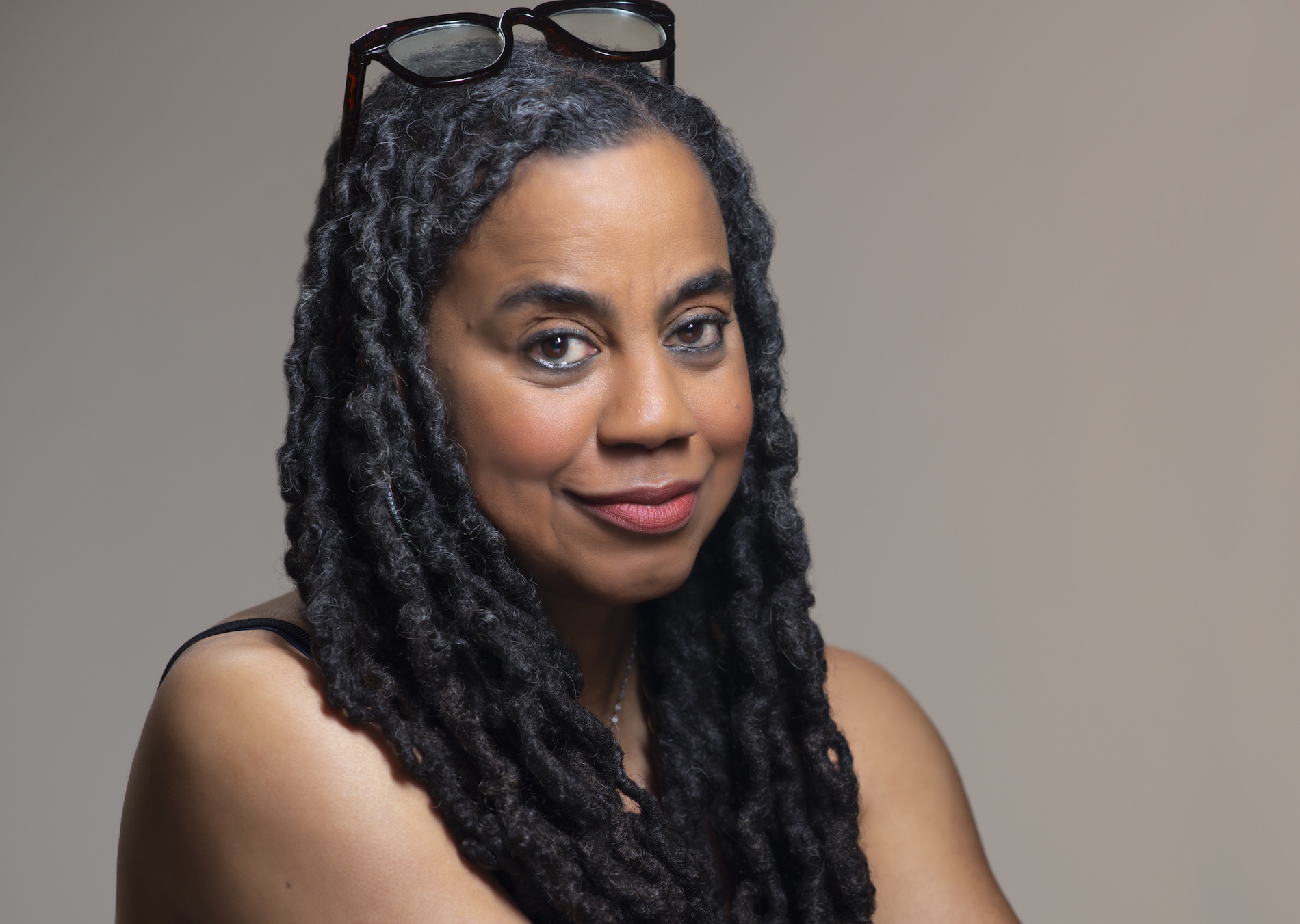 Suzan-Lori Parks Is Redefining ‘Genius’
 Daniels has a history of throwing neophytes into the belly of the beast—he did it with Gabourey Sidibe in “Precious.” For “Billie,” his first film in eight years, he wanted to get back to a place “where all the actors were unknowns,” he says. “Good actors to support telling the story of Billie, so that you were lost in the world and not taken out by people you recognize.”
Though directing greener actors requires additional support—especially through challenging scenes, which there are many of Daniels’ films—he gravitates toward them more than seasoned vets. New actors, he muses, haven’t yet had their trust or spirit broken by the filmmaking process.
“A lot of times, actors are jaded because they give their best performances, and then it’s in the hands of a director who just can cut ’em up,” he says, speaking to the editing process. “You can be brilliant, but you’re only as good as your director. And so a lot of actors are untrusting.”
Daniels also cites inexperienced actors’ willingness to change things up “on the day,” be it a new costume, a new prop, or an entirely new chunk of dialogue. “They don’t know any better!” he exclaims. But that isn’t to say he takes advantage of anyone’s naiveté—quite the opposite.
READ: How to Become a Film Director
The first order of business on Daniels’ set is to “make them completely at ease,” he insists. It’s the only way to tap into the sacred, sensitive dynamic between the actor and director. “You’re dancing; it’s a waltz. You are lovers, except you’re not making love, but you really have to be on the same syllable. We’re family. You can’t get this work out of someone [without] knowing them intimately—knowing their insecurities.”
It all comes down to helping the actor become the best vessel for the story at hand. That requires a total lack of rigidity—on the part of the actors, the director, and the storytelling itself. It’s why, even in Daniels’ most difficult-to-watch work, there are moments of triumph and levity. “For me, that’s storytelling,” he says.
For that same reason, “The United States vs. Billie Holiday” is framed around the notoriously troubled singer in her capacity as a civil rights activist, and her anti-lynching anthem “Strange Fruit.” “There’s hatred out there, and it was time for people to really know Billie’s story,” Daniels says. “If she could do this back then, what can I do? What can I do to make the world better? What can I do to make my environment better? What can I do better for my kids? This is a call to arms.”
This story originally appeared in the Feb. 18 issue of Backstage Magazine. Subscribe here.
Looking for remote work? Backstage has got you covered! Click here for auditions you can do from home!