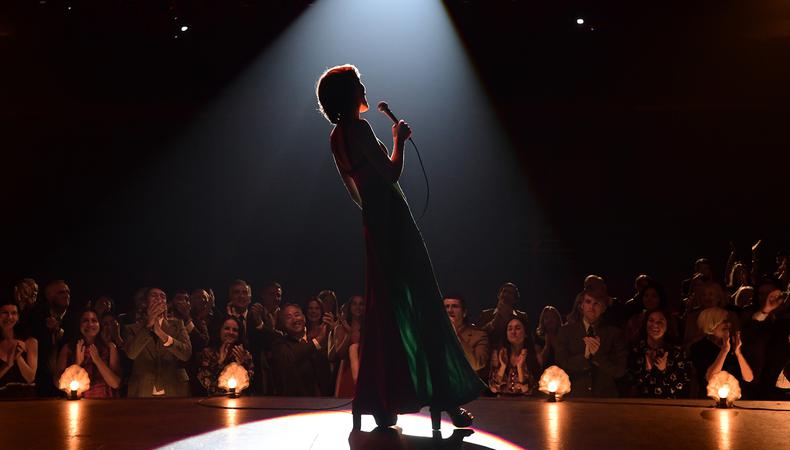
Rosemary Blight knew the story of Helen Reddy deserved to be told. And when “I Am Woman,” a biopic about the singer-actor-activist’s life releasing Sept. 11, was brought to her, the producer knew where it needed to premiere: the Toronto International Film Festival. Late last year, it did just that. Blight, who, like Reddy, is Australian, talked with Backstage about getting your film to a festival—and, perhaps more importantly, how to make the most of it when you do.
What about “I Am Woman” made you want to sign on as producer?
Unjoo Moon is an incredibly charismatic, energized person. As a director, she had a strong vision for the story she wanted to tell. I also feel that stories like Helen Reddy’s have sort of been forgotten. A lot of women’s stories—women who have achieved incredible things—they’re just being unearthed now. I had no idea that Helen Reddy had that many hits in the ’70s. I thought, I actually think people will want to hear this story. It’s entertaining. And there’s nothing better than the combination of a dramatic story with music.
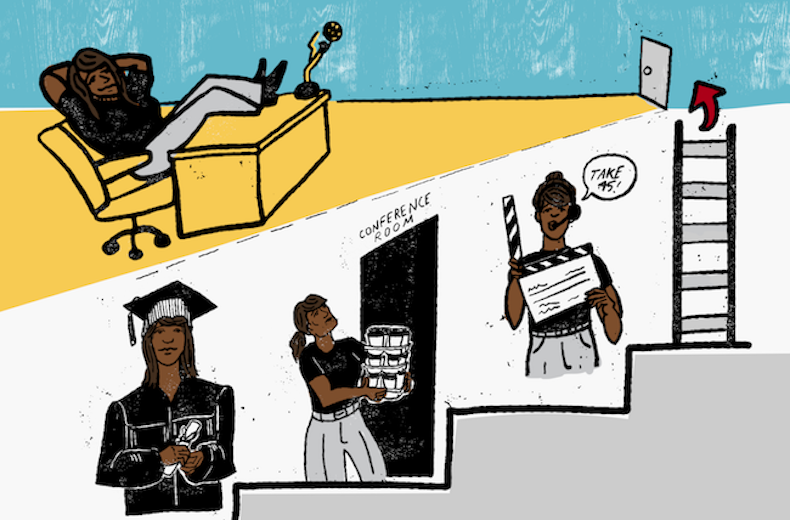 How to Become a Producer
 How did you get the film to TIFF?
We always felt like the film should play at Toronto; I had been to Toronto a number of times before. It’s a festival you know audiences just adore. They line up and they’re obsessed, and they chase directors down the road and they cheer. And “I Am Woman” is that sort of film. It’s an audience film. We had timed our production so it would fit into the time frame for Toronto, but of course [the question is] getting into Toronto. I did all sorts of crazy things. I went up to Toronto and had a couple of meetings with the programmers and just introduced the film to them, and we spoke about the audience participation that the film could have. One of the great advantages of living in Australia is that we have an incredibly supportive film industry, and we have funding to do films like this. Unjoo and I had the opportunity to show [TIFF co-head] Cameron Bailey the film. Then it was waiting and waiting and waiting, and then we got it. It was very exciting. You must have a good film, but it’s a lot of commitment and strategy and support.
What kind of advantage does a high-profile festival premiere give a film?
You have to work extremely hard, depending on the festival, to make sure your film gets profiled if it’s an independent film and not a studio film. A lot of the studios put a lot of money into making sure they make a lot of noise. Once you get there, you’ve really got to make sure you have everything in place: your publicity team [and] your actors should be on the ground. What I’ve learned over time is it’s not just getting into the festival, it’s about what slots you’re in and those sorts of things. If you do all that right and you do make noise and people know you’re there, then the chances of sales are so much stronger. International sales off the back of a festival launch are just wonderful. We got a lot of international sales off the back of TIFF.
What advice would you give a filmmaker or producer who wants to get their project into any festival?
The best advice I can give that I follow is that it’s really expensive getting films to film festivals, so you’ve really got to know that that film festival has the audience you want it to have. We wanted to show North America that there were Helen Reddy fans and that this film responded to a North American audience. TIFF did that for “I Am Woman.” For another film, it may be Venice or Cannes, depending on what you want to attract. And then, of course, you’ve got your “A-list” festivals, which include Sundance, which is a whole other type of festival. We were there last year with another film, and that’s really great to get into for indie America. But if you want to get into the other levels, just make sure it’s a festival you feel can energize your film and give you what you need. Some festivals are just great for connecting with other filmmakers, and that’s also really valuable. I use Withoutabox for festival entrance, which a lot of indie filmmakers use. Whether it’s Sundance or [non-A-list festivals], there’s a lot of not-for-profit film websites with all the festivals on them, and you can look through testimonials from people who’ve been and what the experience was like. You should look at all that; you should really study, because you could spend your entire life entering film festivals.
READ: Everything You Need to Know About TIFF
What are the things you look for in prospective projects to produce?
One of the keys is you need to look at the team around the project. It goes without saying [that] it needs to be an idea that you can wake up every morning after years and years and still be energized by. But you’ve also got to look at everyone around the person who brought you the project—sometimes it’s a director, sometimes it’s a writer. And you’ve got to have a deep trust with them and a desire to spend a lot of time with them. It’s a crazy job. In one way, it’s an affordably privileged job, and it takes you to some amazing places. But it is tough. I [ask], Who’s the next family I’ll be spending five years with? Do I wake up feeling energized about the idea? Those are the two things you need to think about if you want to be a film producer.
Going back, how did you get into the line of producing?
I started off in the music industry, actually. I used to manage bands, but I had done a university degree in film. I ended up in music because I love music. Then [I] just started to connect the two together. The skills I learned managing bands, I thought [they] put me in a very good place to produce. So I started producing. I started, where many people do, in short films. Then I made my way up. I’ve been very fortunate to have lots of incredible mentors who have supported me in my career.
What, in your opinion, is the role of the film producer?
It’s a bit like a conductor. We identify the project—often a project is brought to me by a director. In this case, “I Am Woman” was brought to me by Unjoo Moon in a very early stage. It was brought to me as an idea. I fell in love with the idea, [and] I worked with the director to identify the writer. We, together, nurtured the script with the writer. Then it’s my job to work with the director on what she needs. I suppose we then hand over the baton when production starts, because when it’s being shot, it’s the job of the director. But I oversee it, too. And then the most glamorous part of producing is that you’ve got to arrange all of the money! That’s not as much fun. You’ve got to be a salesperson as well. And you’ve got to go out and sing a lot and convince people of the story.
This story originally appeared in the Sept. 3 issue of Backstage Magazine. Subscribe here.
Looking for remote work? Backstage has got you covered! Click here for auditions you can do from home!