From the iconic Wilhelm Scream in classic Hollywood films to the immersive audio landscapes of your favorite podcast, sound editors shape what audiences hear across every medium, turning raw recordings into polished, professional productions. Here’s everything you need to know about the job, from the skills required to how to land gigs.
Sound editors are responsible for assembling the overall sound design of a completed production—what you hear is what they do. In postproduction, they select, record/re-record, and piece together the right sounds to fit the edited footage (which will then be tweaked and finalized by the re-recording mixer). This includes dialogue tracks, ADR (automated dialogue replacement), foley sounds, wild tracks (any audio that’s meant to be in sync with the image but that’s recorded separately, such as narration, phone conversations, sounds of nature, traffic, or any ambient noise), pulling from expansive sound effects libraries, and any music used.
Working closely with the director, sound designer, and sound mixer, the sound editor must have a clear idea of what audio needs to be captured or implemented in a way that will enhance the final product.
Three-time Oscar winner Walter Murch (“The Godfather Part II,” “Apocalypse Now,” “The Talented Mr. Ripley”) explained sound editing to the Academy: “Imagine a strip of images in one position, and right below that a strip of sound, which is dialogue, and that exists on its own track, so to speak. Below that, many dozens—sometimes hundreds—of other tracks made available for different sounds. You can think of it as a kind of mosaic. The sounds are little chips of sounds, and we have to put them in the right place. The important thing is to have a concept for what you’re doing, not just throwing sound at the film and seeing what will stick, but to have an idea and to try to find the most effective sounds that you can find to make that happen. I would say 98% of all the sound that you hear in a film is added after the fact.”
One of the major tasks sound editors have is to comb through, edit, clean up, or re-record the dialogue. Typically, dialogue is captured on a separate recording device, and it’s the sound editor’s job to track down the right audio to make sure it matches up with the picture within the shot the director likes best. When the audio is weak in an otherwise good take, that’s when a sound editor will record ADR or looping, bringing the actors in to re-record the dialogue by lip-syncing to the footage as it plays.
After dialogue is taken care of, a sound editor adds in sound effects, background sounds, and the work done by foley artists. This is when they can get creative and get out in the field; if a certain sound isn’t in their library, they might go out into the world to capture what they’re missing.
“To achieve the final effect of the final soundtrack, there’s a huge amount of replacement and addition of sounds,” Murch said. “Why we do that is not only to make it sound more convincing for what you see, but, frequently, to add sounds that are shading into what you might call musical effects.”
The last piece of the puzzle before handing everything off to the sound mixer is working alongside the film’s composer and music editor to figure out the most seamless and fitting implementation of the score or a song into a scene.

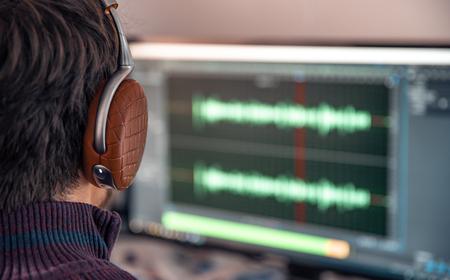
Credit: Andrii Medvediuk/Shutterstock
Sound editors today have opportunities across two major sectors: film and television production, and the rapidly expanding creator economy that includes podcasts, YouTube channels, and digital content platforms.
Film and TV production: In traditional film and TV production, the sound editor reports directly to the supervising sound editor, who acts as the director’s primary point of contact through the audio postproduction process and manages the sound team, including the sound editor, music editor, foley artists, and ADR editor. They also often report to the sound designer.
Oscar-nominated sound editor Ron Bochar (“The Marvelous Mrs. Maisel,” “Moneyball,” “Goodfellas”) told us: “Sound editors often work under a sound supervisor or sound designer as it is best to have a unified vision of what the sound of the movie should be, as well as how the overall material should find its way prepared for the mix.”
The creator economy—including podcasts, UGC, and digital content: Beyond film and television, sound editors are increasingly finding opportunities in the rapidly expanding creator economy. Podcasts, YouTube channels, streaming platforms, branded content, and user-generated content (UGC) all require skilled audio professionals to elevate production quality.
In the podcast space, sound editors clean up recordings, remove background noise, balance audio levels between hosts and guests, and add music beds and sound effects to create a polished listening experience. Many successful podcasts—from true crime series to interview shows—rely on sound editors to transform raw recordings into professional productions.
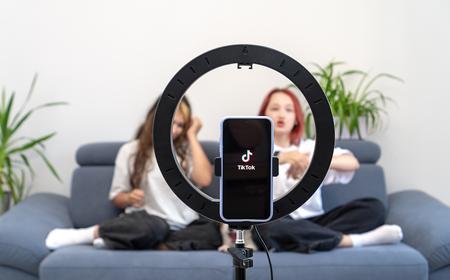
Digital creators and content producers on platforms like YouTube, TikTok, and Instagram increasingly hire sound editors to enhance their videos, particularly as audiences expect higher production values. Sound editors working in this space might handle everything from cleaning up dialogue in vlogs to creating immersive soundscapes for narrative content.
Corporate and branded content also offer steady work for sound editors, who polish training videos, promotional content, and internal communications. Many sound editors in the creator space work remotely as freelancers, offering flexibility that traditional production schedules may not provide.
The skills remain largely the same across traditional and digital platforms—including attention to detail, technical proficiency, and creative problem-solving—but the pace, budget, and scope of projects can vary significantly. While a feature film might have months for sound postproduction, a podcast episode might need to be turned around in days.
Compensation for sound editors varies significantly based on experience, location, type of work, and employment structure. According to ZipRecruiter, sound editors earn a median annual wage of approximately $66,000 as of February 2026, though experienced sound editors working on major productions can earn substantially more.
Film and television: In union film and television work, sound editors are represented by IATSE 700 and the Motion Picture Sound Editors, which set standard minimum rates for union productions. Union sound editors on major studio projects typically earn between $70,000 and $100,000 annually, with supervising sound editors commanding $100,000 to $150,000 or more. Top-tier sound editors working on blockbuster films can earn significantly higher rates.
Most film and television sound editors work on a per-project basis rather than as salaried employees. They’re hired for the duration of postproduction on a specific film or television series, which might last anywhere from a few weeks to several months. Union rates for sound editors working on major productions typically range from $600 to over $1,000 per day, depending on experience and the production’s budget tier.
Creator economy and digital content: Sound editors working in podcasts, UGC, and digital content typically operate as freelancers, charging either per project, per episode, or hourly rates. Per-episode rates for podcast editing typically range from $50 to $300+ depending on the episode length, complexity, and the editor’s experience level.
YouTube and digital content editors often work on retainer agreements with regular clients, providing predictable income while maintaining flexibility. Rates for digital content editing vary widely based on the creator’s budget and the project scope, but experienced editors typically charge $50 to $150 per hour or negotiate per-video rates.
Many sound editors working in the creator space supplement traditional production work with digital projects, or vice versa, creating multiple income streams. The growing demand for high-quality audio content across platforms means sound editors with diverse skills can build sustainable careers combining both traditional and new media work.
Entry-level sound editors in any space typically start with lower rates as they build their portfolios and reputations, with compensation increasing substantially as they gain experience and establish themselves in the industry.
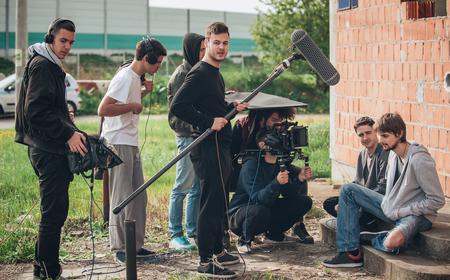
Credit: DC Studio/Shutterstock
There isn’t one clear-cut path to becoming a sound editor, but following these steps can help you break into the field:
1. Develop foundational skills. While there are no formal education requirements, pursue training in audio production, sound mixing, audio engineering, music production, or related fields. This can be through formal education (degree programs in audio production, film, or media), online courses, workshops, or self-directed learning. Gain a thorough understanding of sound equipment, recording devices, and various techniques for capturing audio. Other essential skills include:
- Technical proficiency: expertise with Pro Tools and other DAW (Digital Audio Workstations) software, understanding of audio formats, microphone techniques, and signal flow
- Creative problem-solving: ability to find or create the perfect sound when it doesn’t exist in libraries
- Attention to detail: catching subtle audio issues and ensuring every element serves the story
- Communication skills: working effectively with directors, sound designers, and other postproduction team members
- Time management: meeting tight deadlines while maintaining quality standards
- Musical sensibility: understanding rhythm, pacing, and how sound enhances emotional impact
- “The skills that got me hired and continue to get me hired have all been built while working on the job,” said Bochar. “Every project is different and every project has its own new thing to learn.”
2. Learn industry-standard software. Master the DAW software that’s commonly used in the industry. Pro Tools is the industry standard for film and television postproduction, but also familiarize yourself with Adobe Audition, Logic Pro, Reaper, and other platforms popular in different sectors. Many of these offer free trials or affordable versions that let you practice without access to a professional studio. Accessible options for beginners include Audacity, WavePad, and Acoustica.
3. Gain hands-on experience. Start creating immediately. Record dialogue between friends, capture isolated sounds in different environments, and experiment with DIY foley work. Then edit everything and make it sound professional. Work on student films, independent projects, short films, and web series, or volunteer to edit podcasts for friends or local organizations. Most of the sound editing pros developed their skills by working on student and independent films, gaining as much experience as possible.
4. Build a portfolio and demo reel. Once you’ve made some sound edits you’re proud of, compile a reel of your work. Your reel should showcase your range—dialogue editing, sound effects work, mixing, and any creative sound design. Keep it concise (three to five minutes) and feature your strongest work first.
5. Start with entry-level positions. It’s common to climb the ladder within the sound department by starting out as an assistant sound editor, sound editor, or production sound assistant and shadowing experienced sound editors and mixers. These positions give you invaluable on-set or in-studio experience and help you build professional connections. Check out our crew jobs hub to land a gig today!
6. Network within the industry. Surround yourself with those in the audio postproduction offices and studios and learn all you can from the professionals within it. Attend film festivals, join professional organizations like the Motion Picture Sound Editors (MPSE) or Cinema Audio Society, and connect with other sound professionals online. Many jobs in sound editing come through personal recommendations.
7. Continue learning and specializing. Every project teaches you something new. Some sound editors specialize in specific areas like dialogue editing, foley, ADR, or sound design. Consider what aspects of sound editing you’re most passionate about and develop expertise in those areas while maintaining broad skills.