
“We’re all going to die anyway—what’s the worst thing that could happen to you? When you have nothing to lose, go for it. We need artists right now who represent that kind of conviction, because otherwise, what’s the point?”
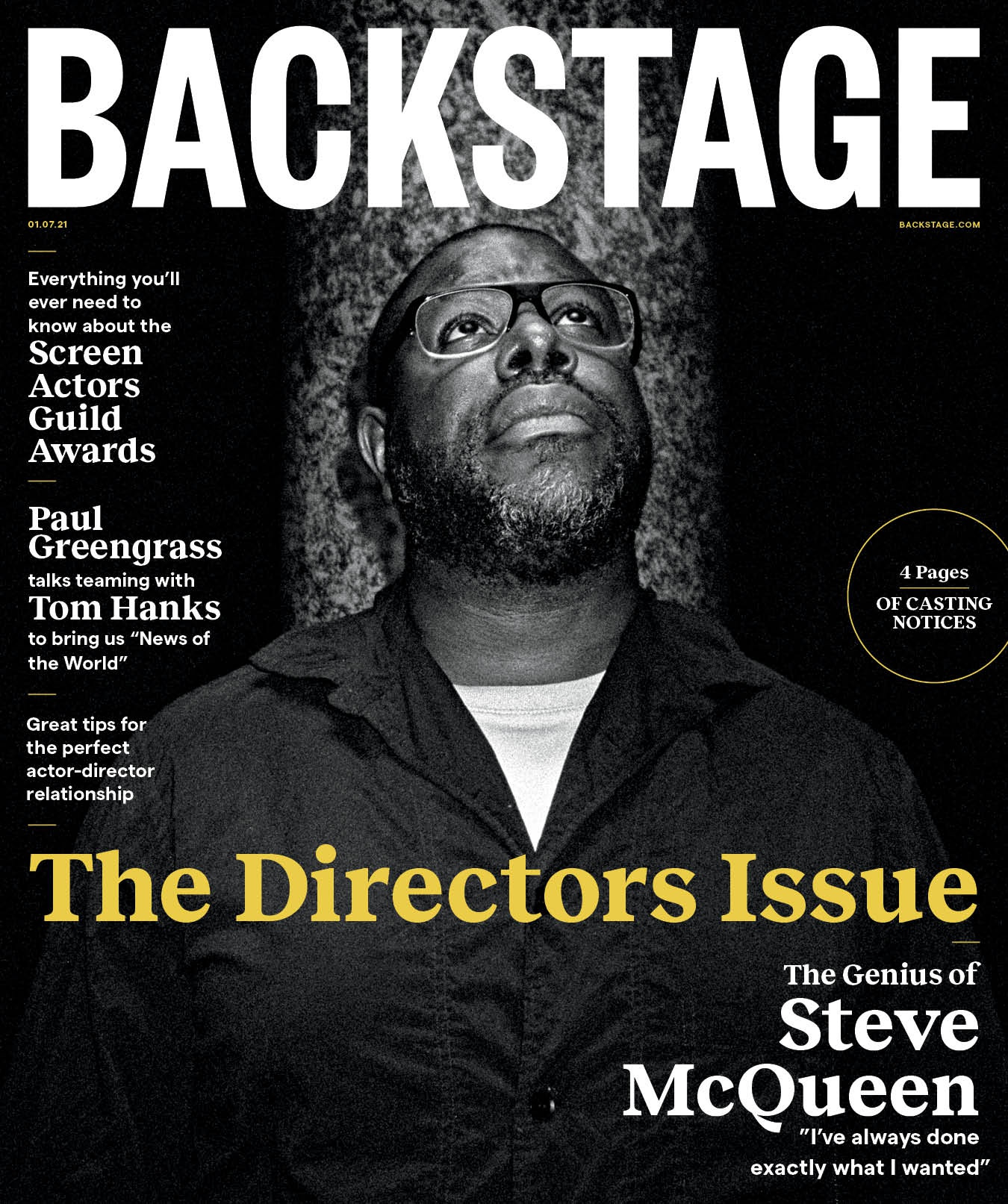 Steve McQueen is really going all in now. As our wide-ranging interview nears its final minutes, he wants to make sure that artists at all stages of their careers heed his words: Now is your chance, the state of the world be damned.
“If you haven’t learned anything in these unfortunate times that we’ve been living through with COVID-19, I don’t know what more to say. Just do it!” he continues, speaking via video call from his London home. “If you want to fall in love with someone, fall in love with someone. What are you waiting for? Get on with it. Take a risk; take a chance. Sometimes you fall flat on your face—don’t get me wrong. But then you know that’s not the way to go, and you move on.”
Considering he’s a multidisciplinary artist whose reputation for meticulousness and clarity of vision precedes him, it’s a wonder to learn that part of the key to McQueen’s success as a creator is becoming bedmates with failure—not the kind of irreversible nosedive you can’t recover from, but the little starts and inevitable stops along the way that show you the best path forward.
“Yes, I have fallen on my face,” he says. “You say, ‘I don’t imagine people think Steve McQueen has fallen on his face before,’ but the only reason I’m here is because I have. These aren’t things, necessarily, that I’ve shown. But all those things I’ve done have reshaped and resharpened my focus. My situation is littered with those things. Do not be afraid to make mistakes, because that’s the only way one’s going to learn. Don’t be fucking careful.”
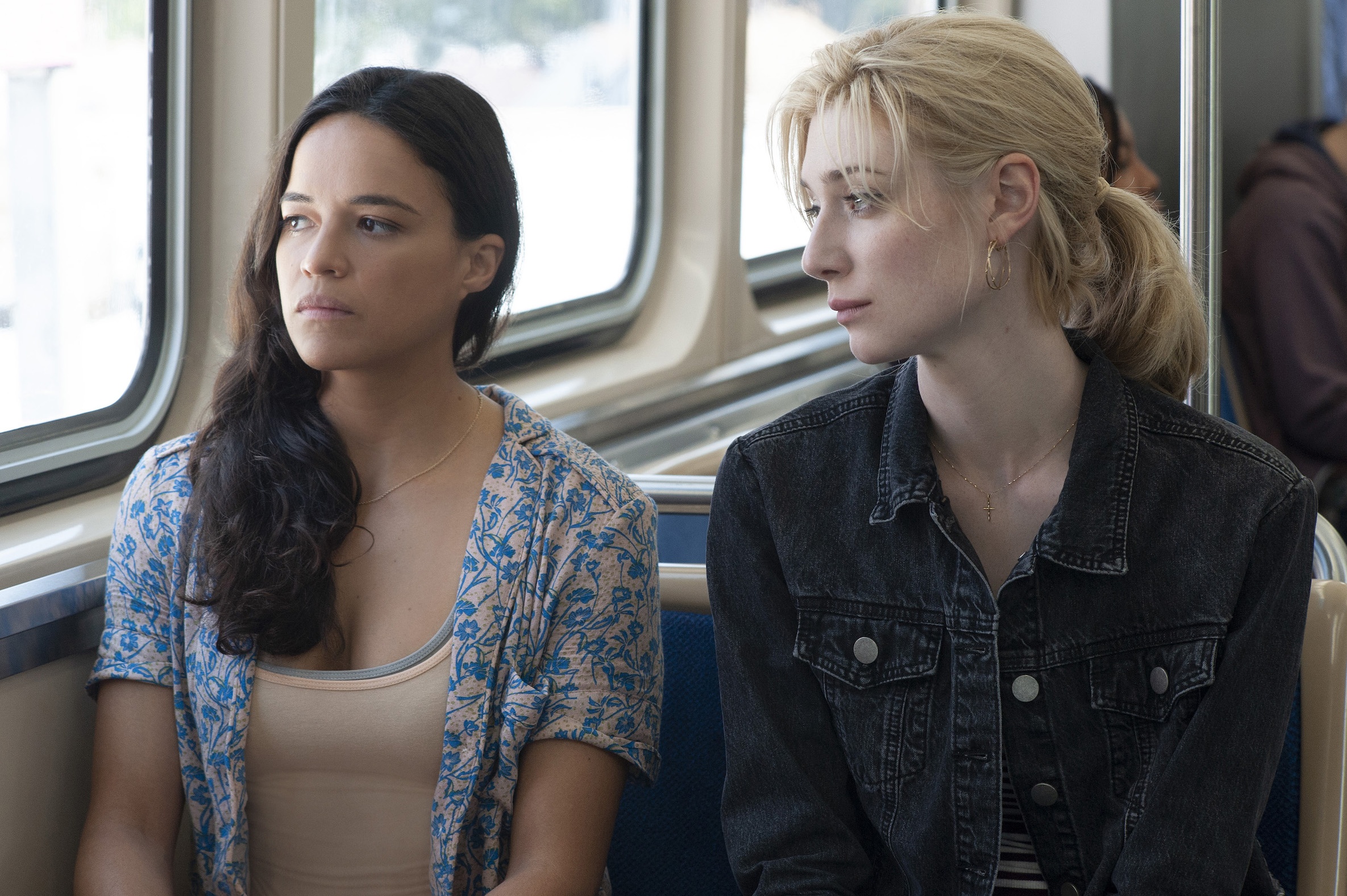 Why Steve McQueen Wants His Actors to Be ‘Difficult’
 Earlier this year, McQueen’s decades-spanning, cross-medium career in the arts was treated to its first major exhibition in 20 years with a Tate Modern retrospective featuring 14 major works, including his first Super 8 film, “Exodus.” Speaking about the exhibit at the top of 2020, he said that his goal as an artist was, in part, to uncover truths that are difficult to look at. “As far as I’m concerned, it’s all about the truth, the whole truth, and nothing but the truth,” he told the Guardian. “To get to that, you have to go in close, uncover what’s been hidden or covered over. Obviously, the easy thing is not to go there, but I have a need to go there.”
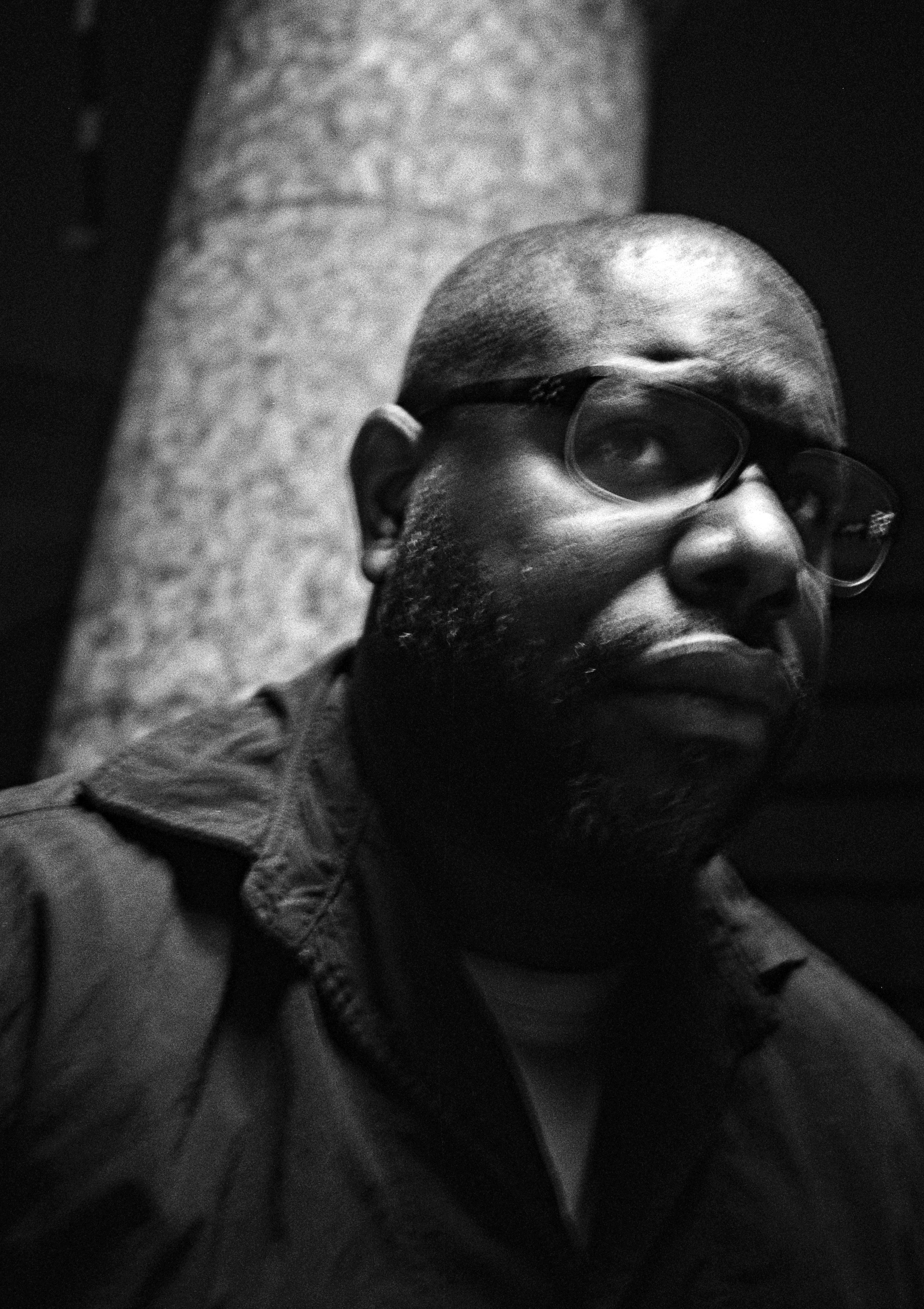
In conversation now, he demurs at the idea of finding a distinct through line in his work. “I’m not trying to put things neatly in a row at all…. That’s for critics to think about. I don’t think about that. But it’s a good question to ask,” he says. He reveals, however, that it’s “the things which are often not said” that draw him in. And when it comes to choosing the medium, he lets the subjects speak for themselves.
“The subject matter told me what it wanted to be,” he says, before giving an example: “If I was doing something on Bobby Sands [who led the IRA hunger strike in 1981] and it wanted to be a painting, then it would have been a painting. If it wanted to be a photograph, it would have been a photograph. At the time, it wanted to be a feature film, so that’s why I made ‘Hunger.’ The idea leads me to where it needs to go. I would never change to the whole idea of, ‘Oh I’ve got to make a feature film,’ ” he adds, “because then it would be like a job.”
“Do not be afraid to make mistakes, because that’s the only way one’s going to learn.”
Making a years-into-his-career transition from the fine arts for which he was already decorated to a feature film project came with certain risk factors and an opportunity for failure. But according to him, his approach allows for little negotiation between short- and long-form visual pieces. He compares the former to poetry, while a feature is like a novel: “You’re using the same materials to do the same thing.” Following the thread of that metaphor, McQueen still, consciously or not, uses poetic practice while piecing his “novels” together.
“When shooting something, I often think about: What’s the minimalist thing I could do? What do I leave out more than I put in? How much can the audience put in themselves to shorten that gap?” he explains. “It’s also a case of just being practical in how you make a film, meaning that you don’t have to say everything. Sometimes you have a longer-lasting impression the less you say.” The aim is to have “a bigger impact with an essence of something, which has a bigger implosion” rather than any unnecessary exposition.
It’s a stylized approach to filmmaking that is now part of McQueen’s distinct aesthetic. His unorthodox path to Hollywood (he’s never worked on a film set that he wasn’t running himself) has allowed him to move fluidly and confidently as an artist. There were no bad habits to break and no people to please; from the start, it’s been his singular vision leading the way, gut and mind first.
“I think for young filmmakers and people starting [out], you have to make it yours. It’s very important to have an understanding of how you want to do things.”
“I’ve always done exactly what I wanted to. I’ve never compromised on anything. I’ve never been told to do anything, and I never will,” he insists. “If there was a challenge, it was making it my own. I wanted to make films how I wanted to make films; therefore, it was about me creating my own space within the environment that I found myself in. I think for young filmmakers and people starting [out], you have to make it yours. It’s very important to have an understanding of how you want to do things.”
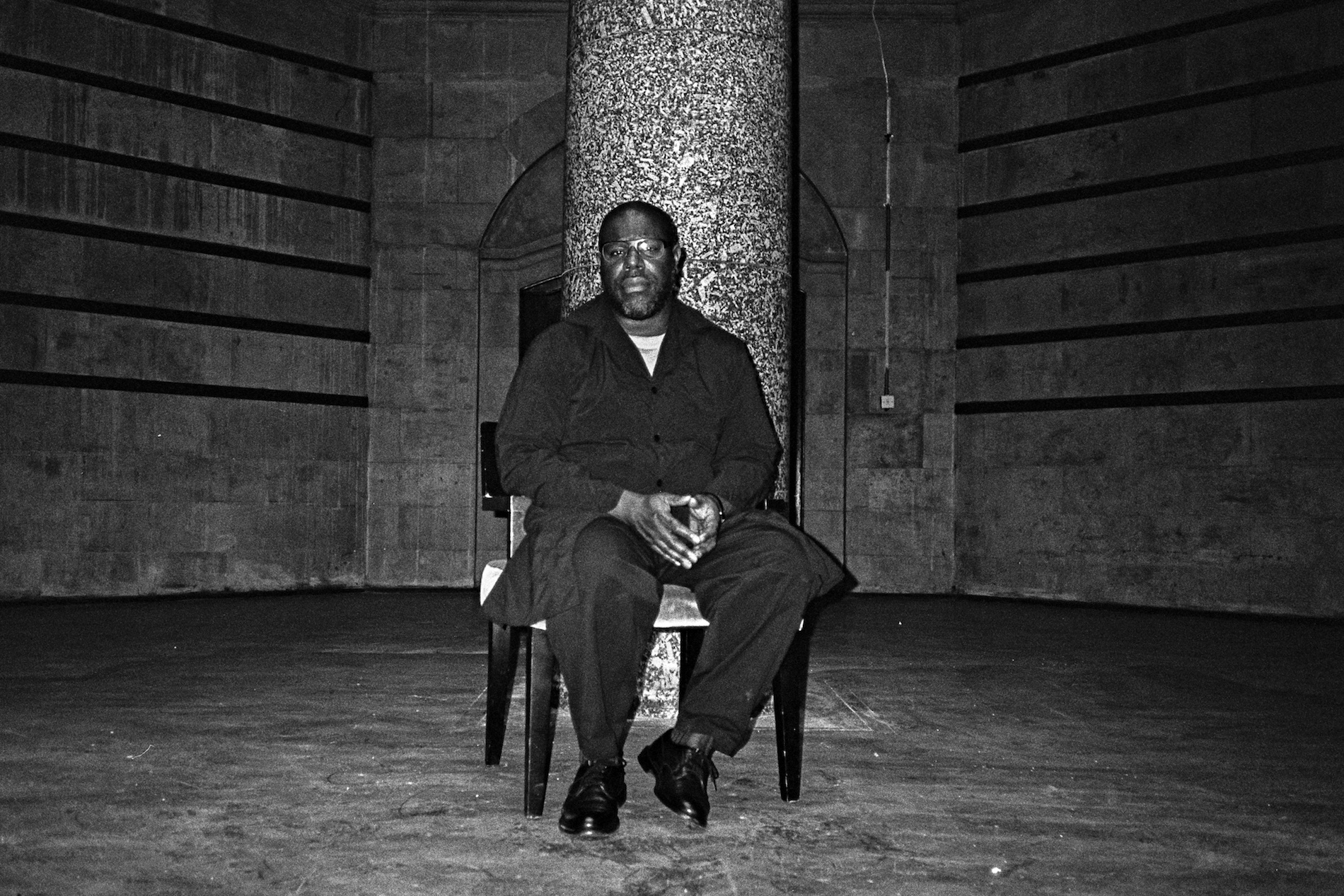
McQueen began his career exploring far-reaching themes—from Black lives in the United Kingdom to the impact of colonialism—across sculpture, photography, and film. Using methods both minimalist and experimental, he went on to become one of the most acclaimed visual artists of his generation. “It was the love of art,” he says, that brought him to the Chelsea College of Arts and Goldsmiths College, University of London, in the 1980s, with a brief stint at New York University’s Tisch School of the Arts. “The love of wanting to explore and [the] love of experimenting and finding things out firsthand—that’s it, really,” he continues.
“I’ve always done exactly what I wanted to. I’ve never compromised on anything. I’ve never been told to do anything, and I never will.”
He moved into indie films with actor Michael Fassbender in 2008’s “Hunger” and 2011 sex addiction drama “Shame.” Then came “12 Years a Slave,” his 2013 adaptation of Solomon Northup’s 1853 narrative memoir, which became the first best picture Oscar winner directed and produced by a Black filmmaker. He followed that up with “Widows” in 2018, a female-driven heist thriller starring Viola Davis that marked his studio spin on genre filmmaking. (It’s also worth mentioning that he’d already been awarded Britain’s coveted Turner Prize, one of the country’s most prestigious honors in the visual arts, in 1999, and he was named a Commander of the Order of the British Empire in 2011.)
His latest, “Small Axe,” stands as one of the year’s masterworks. The compilation of five films, currently streaming on Amazon Prime Video, retells real-world experiences and events in London’s West Indian community from the 1960s–80s, including the true story of the Mangrove Nine (“Mangrove”) and Leroy Logan, the lauded research scientist who joined the London Metropolitan Police in an attempt to tackle its racism from within (“Red, White and Blue”).
“I have no idea what I want until I see it. That’s exactly what I want from the actor: They’re not to preempt anything, but to feel it.”
Of course, even with real-life inspiration, a director does not make a film (or five) alone. McQueen, with all his genius, is the ringleader, but he thrives in a state of collaboration. His “Small Axe” colleagues all applaud his passion, economy, and fearlessness as a creator. “Not fearlessness in the sense that he doesn’t have any fear; he’s quite honest about his fears, actually. But the fact that he works through them anyway,” says Courttia Newland, McQueen’s co-writer on “Red, White and Blue” and “Lovers Rock,” the series’ second installment.
As he does in his own craft, McQueen invites any well-intended action or idea to the table. Failure—or being told, “That’s rubbish”—is always a possibility, but the artistic result of risk-taking, vulnerability, and collaboration from all parties is the end goal.
“He’s not going to be shy of telling you” when you have a bad idea, says his other co-writer, Alastair Siddons, with a laugh.
“You could get it wrong as long as you were coming from the right place,” Newland echoes. “And when I say ‘wrong,’ I mean he might not always like your idea. But if he appreciated the intellectual capacity you brought to it, he would be like, ‘OK, that’s cool.’ ”
Working on “Small Axe” installments “Education,” “Alex Wheatle,” and “Mangrove,” Siddons also learned what emboldens McQueen as a leader: his ability to make a choice and stick with it. “He was always very nice about my first draft; he’d ring me after and just be like, ‘Emotionally, it’s there. We’re very close…. I want to do this, this, and this,’ and that’s what he would do. It’s that decisiveness that makes him such a pleasure to work for.”
Outside of the writers’ room, McQueen brings that same openness and trust to his days on set. It’s seen in his own creative flourishes with the camera (“Lovers Rock,” in particular, employs some of the year’s most enrapturing and unexpected camerawork) and in his give-and-take relationship with his actors.
“Steve is an artist first and foremost, so he is very meticulous with the stories he tells and the way he tells them,” says Micheal Ward, one of the romantic leads
in “Lovers Rock.” In that approach, he “cared more about the emotion and encouraged you to commit to the decisions you’ve made creatively, and that made me feel like I was part of a collaborative process,” Ward adds.
Letitia Wright, who stars as one of the central activists in “Mangrove,” also notes the faith McQueen had in his performers to get where they needed to go. “What makes him unique for me was that level of trust,” she says. “The level of trust that went into him saying, ‘You’re this character; you’re representing this person. Bring something to the table.’ It was just, ‘Bring something that’s from your spirit and that’s truthful to the table, and I’ll work with that, and I’ll alter it when I need it.’ I found that to be very freeing. He didn’t tamper with your process.”
To hear McQueen tell it, the admiration was mutual. “The reason I love actors is because they’re so daring and they can take the risks,” he says, citing the likes of Wright, Ward, Fassbender, and “12 Years a Slave” Oscar winner Lupita Nyong’o. “I have no idea what I want until I see it. That’s exactly what I want from the actor: They’re not to preempt anything, but to feel it.”
It all goes to show that no matter the form, the filmmaker’s respect is rooted in his guiding mantra: Engage with and work on your craft like you’ve got nothing to lose. Take that risk; live a bit recklessly.
“The only hope I hope is that it encourages people to do great things,” he concludes. “That’s all.”
This story originally appeared in the Jan. 7 issue of Backstage Magazine. Subscribe here.
Looking for remote work? Backstage has got you covered! Click here for auditions you can do from home!
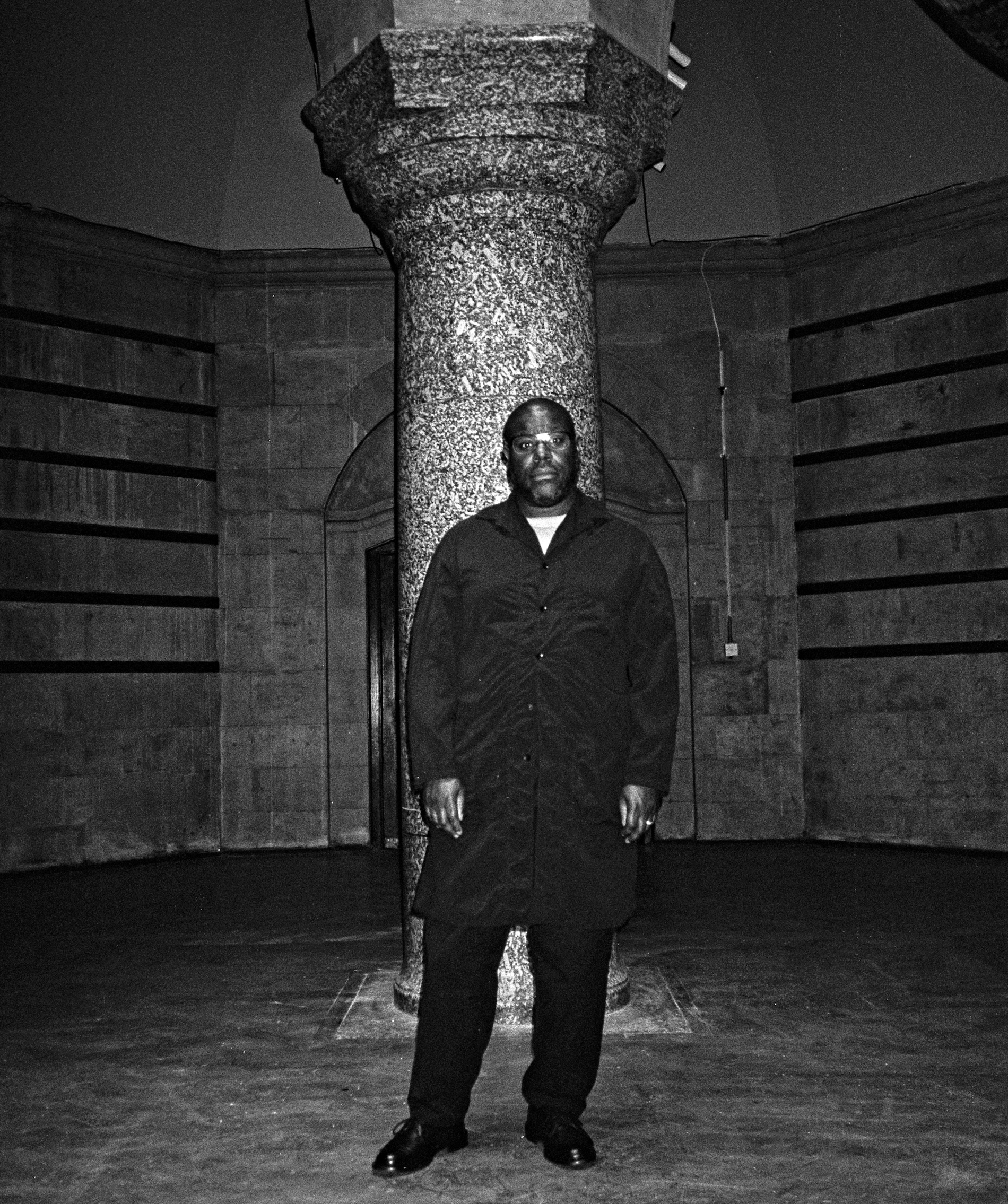
Photographed by Henry Kamara on 10/30 in Central Holborn Creative Production Base