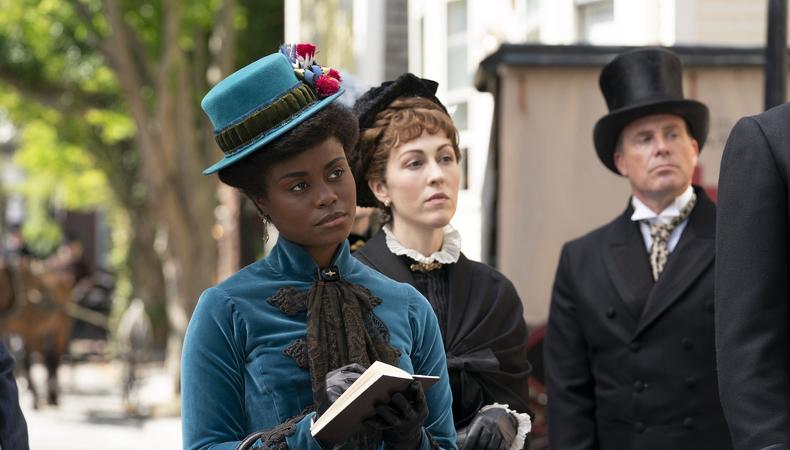
You know what they say: You’re only as good as your support system. And where art is concerned, most productions are only as good as their supporting casts. If you see yourself as part of that cast—as the next Titus Andromedon from “Unbreakable Kimmy Schmidt” or Johanna from “Sweeney Todd,” perhaps—here’s what you need to know about finding and booking a supporting role.
A supporting character is any part of importance from a TV show, film, play, or other fictionalized work that isn’t the main character. They don’t drive the action in the same way that the main character does, but they still support the action of the narrative in some substantial way. Supporting characters are usually related to the main characters in some way, either as friends, family, coworkers, romantic interests, enemies, or anything in between.
A role being designated as “supporting” has everything to do with plot function and nothing to do with stage or screen time. Supporting characters may have anything ranging from one memorable scene to as much screen time as the main character—though it’s generally expected that supporting roles will be characters of some substance, which sets them apart from one-line roles or bit parts.
This feels like it should go without saying, but supporting roles are not lesser than their leading counterparts, especially when it comes to artistic opportunity and impact on the audience. Many actors’ most cherished roles would be considered supporting, as would many viewers’ favorite characters. There is also ample opportunity to be recognized for hard work in these roles, since the Oscars, Emmys, and Tonys all have categories for best supporting actors.
 3 Steps to Captivating the Room as a Supporting Character
What are the benefits of getting cast in a supporting role?
There are lots of reasons (besides just getting work at all!) to celebrate being cast in a supporting role. Some of the perks include:
- Recognition: Many supporting roles are immediately recognizable to the audience as common tropes or stock characters, and most of those are really fun to play. Enjoy the opportunity to steal a scene as the comedic relief or captivate the audience as a stone-cold villain.
- The potential to be the hero of your own plot: Just because a character exists to be in support of the overall story arc doesn’t mean that they aren’t also running their own plots. Many supporting characters are given their own B-plots, or side stories, that support the main plot in some way. These B-plots are full arcs, giving supporting characters all the fun of a full storyline.
- Less responsibility: Shows and films often live and die by their leads. While that can have the potential to gain you a lot of glory, it can also be a lot of pressure. Enjoy getting to practice your craft without the pressure of carrying the entire project on your shoulders.
As you can imagine, there are thousands and thousands of supporting roles across theater, film, and TV. Here are just a few favorites:
Theater
- Johanna (Sarah Rice in the first Broadway cast), “Sweeney Todd”
- Fantine (Randy Graff in the first Broadway cast), “Les Misérables”
- Maureen Johnson (Idina Menzel in the first Broadway cast), “Rent”
- Will Parker (Lee Dixon in the first Broadway cast), “Oklahoma!”
Film
- The Baroness (Eleanor Parker), “The Sound of Music”
- George McFly (Crispin Glover), “Back to the Future”
- The Scarecrow (Ray Bolger), “The Wizard of Oz”
TV
- Titus Andromedon (Tituss Burgess), ”Unbreakable Kimmy Schmidt”
- Peggy Scott (Denée Benton), “The Gilded Age”
- Patrick Star (Bill Fagerbakke), “SpongeBob SquarePants”
- Ron Swanson (Nick Offerman), “Parks and Recreation”
Actors most famous for their supporting roles
- Jane Krakowski: Elaine Vassal, “Ally McBeal”; Jenna Maroney, “30 Rock”; Jacqueline White, “Unbreakable Kimmy Schmidt”; Ilona Ritter, “She Loves Me”
- Josh Gad: Elder Cunningham, “The Book of Mormon”; Olaf, “Frozen”; LeFou, “Beauty and the Beast”
- Jackie Hoffmann: Grandma Addams, “The Addams Family Musical”; Yente, “Fidler Afn Dakh”; Uma Heller, “Only Murders in the Building”
- Christopher Fitzgerald: Boq, “Wicked”; Igor, “Young Frankenstein”; Ogie, “Waitress”
So you’re ready to take on a supporting role. But how do you get one in the first place? Here are a few things to keep in mind:
1. Pursue work that interests you.
The first step to landing any acting gig is to audition, but, as we’ve explored, there are a lot of supporting roles out there, and a lot of people interested in booking one of them. It’s best to specifically target work that you’re right for, whether it’s related to your skill set (comic timing, singing talent), physical appearance (being over six feet tall), or just subject material you’re passionate about. As with all jobs, it’s important to stand out in the audition room, and the best way you can do that is by being the best suited for the job.
2. Audition.
Once you know what you’re interested in, it’s time to put yourself out there. Any time you’re able to be seen by casting is ultimately helpful—regardless of whether or not you actually get the job. Auditioning several times for a specific casting team can help them to get to know you, and then they can keep you in mind for projects they feel you’re right for. Need help finding auditions? We’re here to support you (get it?): Check out our comprehensive casting call database to find thousands of opportunities.
3. Get cast in any role.
If you book your supporting role right off the bat, good for you! If not, take the jobs you do book. Getting any work at all can help you move toward your goal of getting cast in a supporting role. Many actors find that they get larger and larger parts as their careers advance, in part due to making good impressions and creating connections with directors during their time in bit parts and ensemble roles. In the case of new work, it’s possible that a smaller role may be expanded into a supporting role if things are really gelling between the show and the actor, so always put your best foot forward! You never know what may happen.