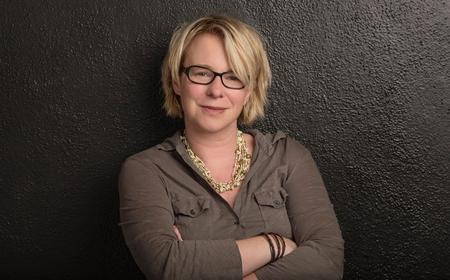
There’s a lot going on in “The Crown.” It’s a feat of television production with its sumptuous shooting style, notable cast, and elaborate sets. It’s history and drama, a bit of fantasy, and each new season is eagerly anticipated. Despite the lofty standards set by the show’s creatives—or because of them—director Jessica Hobbs, already a fan of the show, brought her talents to Season 3. “Peter’s great skill as a writer and show creator is he takes huge macro themes and puts them into personal journeys,” Hobbs says of series creator Peter Morgan. “I thought he had some very profound things to say about humanity that I was really interested in.”
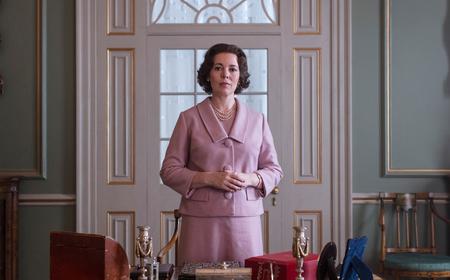
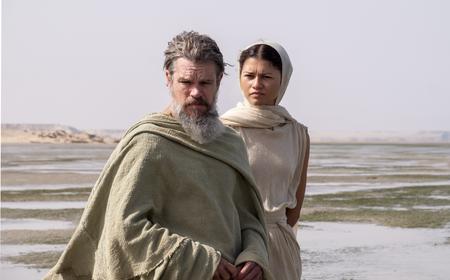
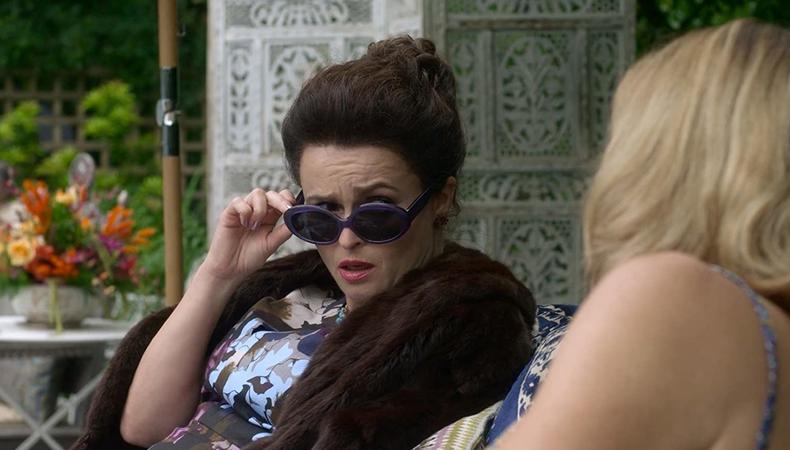
Hobbs helmed two of the most personal episodes of the season, “Moondust” and “Cri de Coeur.” With a new cast of actors taking on familiar roles, characters growing up, and a world undergoing big changes, there was a lot to cover. The director decided to focus in on Prince Philip’s (Tobias Menzies) obsession with the 1969 moon landing and a crisis of purpose and faith. She also put the period on the season, with the finale following Helena Bonham Carter’s Princess Margaret as she grapples with her failing marriage and love in the public eye.
As an admirer of the series, Hobbs was eager to join “The Crown,” and as a director, she was given the freedom to realize her vision entirely. “Peter said, ‘I want you to treat them as films. I don’t want you to think they have to be what anyone else is doing,’ ” she remembers.
For Hobbs, that means utilizing every minute of each episode: “I always want whatever is on screen to have a purpose. It’s great for it to be beautiful, but I want to understand what it’s there for emotionally—what am I trying to portray? What’s going on for this character at this point? How can I allow the audience to have the experience I had when I read the script without putting it into exposition?”
What to expect from an audition with “The Crown” CD Nina Gold.
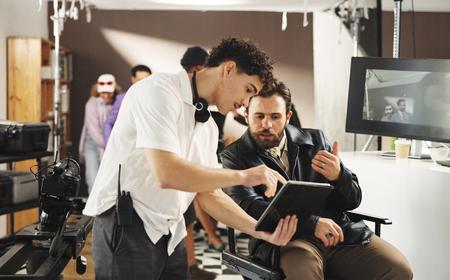
Part of that is working with the actors to make both the purposeful pauses and what Hobbs calls Morgan’s “economic, muscular” writing as effective as possible on-screen. “I have a lot of conversations with actors. I spend a couple of hours individually with each actor and we just talk through the episode, their role, and what’s going on, to see if we agree on what the building blocks of the journey are,” she says. She’ll then work out any issues or concerns with the actors. “They highlight any areas where they’re struggling. We need to find a way to fill those gaps. Is there a visual moment that might help us bridge that gap?”
“Our job is to make sure we understand the script properly and find a way to convey that to an audience”
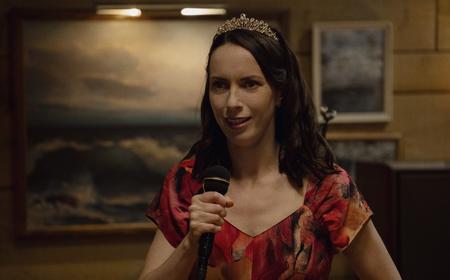
In order to achieve that goal, she takes the material and those involved back to the project’s original roots and treats prep almost like she’s directing a theatrical production. “I have individual rehearsals, then I’ll pair them up, and I will also work on sequences,” she says, always working to help the actors keep character in mind. “Helena had quite a lot of performance sequences, so we worked on those songs with musical directors and singing coaches, but also just trying to make sure the performance level didn’t lose any of the character and the fun and the joy and the mistakes.”
From a macro perspective, Hobbs acts as the audience to make decisions that build an episode. To do that, those on both sides of the camera are understanding the same things in the script. “It’s helping the actor find a way to embrace what’s in the text and see a way through it. Our job is to make sure we understand the script properly and find a way to convey that to an audience,” she says.
Why “The Crown” cinematographer shoots Claire Foy and Olivia Colman differently
In a show where every single breath seems deliberate, Hobbs doesn’t stick to any single plan, instead letting actors explore the best way to get the shot and then following their lead. “We’re not trying to hit some kind of perfection, but we are trying to explore and push the boundaries of what this can be,” she explains. “We talk a lot about bracketing scenes and just giving it a go in different tonal ranges. You’re never quite sure where the high points and the biggest emotional beats will be. You think you know where they are, but that’s a constantly evolving organic process.”
The ability to work within her own process created two of the most memorable episodes of “The Crown” to date, and exemplifies what is Hobbs’ advice to aspiring directors: “Be really truthful to yourself. When you’re on set, when you have that first meeting to talk about a script, be open and honest about the way that story is to you, the way you want to tell it, and how you want the audience to feel,” she advises. “If you’re not on the same page as the rest of the creators of the show, particularly the writer and the showrunner, you need to know that up front.”
“Everyone will watch from a technical or different creative viewpoint, but your job as a director is to be the audience at any given moment.”
That’s because it takes a lot of components to finish an episode of TV, but only the director is in charge of the overall vision. “You have to be the audience at every stage of making it, no one else is going to sit in that position. Everyone will watch from a technical or different creative viewpoint, but your job as a director is to be the audience at any given moment. Do I believe it? Am I moved? Is this working?” she says. “I saw Ang Lee speak many years ago, he said he would close his eyes on set and think, What would I do if no one else was here? I always remember that quote when I’m on set. That’s the thing I hold onto. Those other people can do the technical stuff. In terms of the heart of the creative material, the telling of the story, that’s your job. That’s what you have to do.”
The method seems to be working—Hobbs will return to direct more episodes of the Netflix drama in Season 4.
Check out Backstage’s TV audition listings!