
BAFTA has radically overhauled the voting procedures for its Film Award acting categories as part of a major overhaul to address a lack of diversity at the awards.
BAFTA has made over 120 changes to its voting, membership, and campaigning processes after a seven-month review of its Film Awards.
This follows widespread criticism for a lack of diversity in February’s Film Awards, which saw no actors of colour included in any of the major acting categories and no female filmmakers nominated for the best director prize for the seventh year running.
Following the review, all four acting categories as well as the best director award will now have six nominees, instead of the usual five, to allow for broader representation.
Changes to voting methodology
In a key change, BAFTA is introducing a new long-listing round of voting in all categories to try to achieve greater diversity in nominations.
In the acting categories, this will be carried out by BAFTA’s Acting Chapter. BAFTA’s Chapters are each made up a minimum of 100 members who hold specialist knowledge in their craft.
Actors – looking for your next film role? See our UK Casting Notices
In Round One, 15 nominees will be listed for each acting category. BAFTA’s Acting Chapter will rank their top 15 nominees, with the top 12 long-listed. A specially convened longlisting jury will select the final three based on the performances of those placed 13–22 of the Chapter vote to ensure “intersectional diversity” on the acting longlists.
In Round Two, a nominating jury for each acting category will consider the 15 long-listed, and vote for six performances to be nominated. BAFTA juries are made up of 10–12 industry experts put together by BAFTA, comprising of a diverse range of backgrounds, experience and age.
In Round Three, all BAFTA members will then vote to choose the winners from final nominations.
Changes to categories
In another change, all acting entrants must now decide whether to submit for lead or supporting actor/actress categories. Previously, all acting entrants were entered in both categories.
BAFTA says this is to allow for a broader range of performances to be considered and to help voting members focus solely on the calibre of the performance. In Round One, actors cannot be long-listed more than once in one acting category, but can appear in separate categories for separate performances.
Expanded membership and compulsory viewing
Elsewhere, BAFTA says it will expand its membership by 1,000 in a bid to further diversify its voting base, and that it will meaningfully target new members from under-represented groups.
The academy is also now making it compulsory for all voters, chapters, and juries to watch all long-listed films before Round Two voting, to level the playing field across all titles. In many awards, voters who have not seen films will vote for names they know rather than new talent.
Ten titles will be in contention for the Outstanding British Film Award – four more than the customary six.
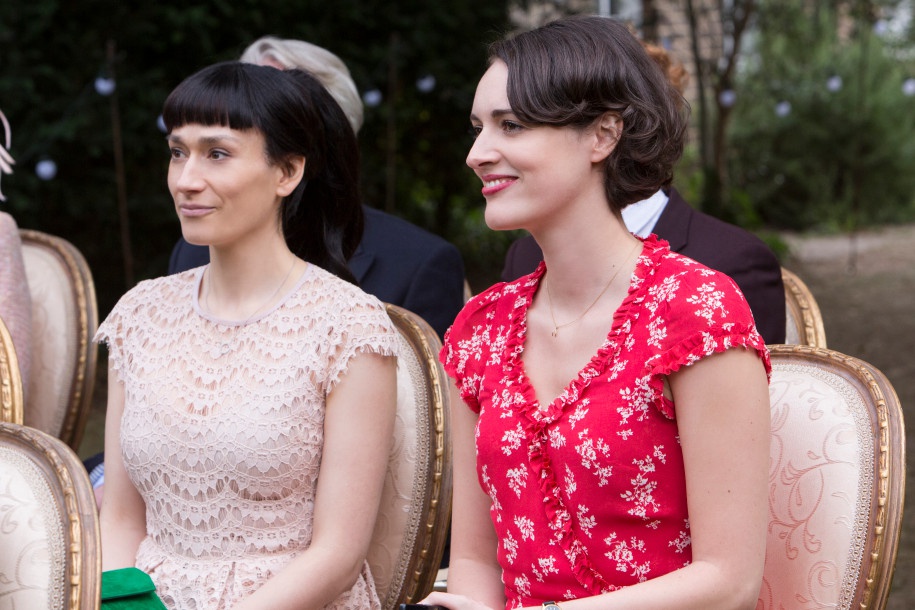 ‘Stath Lets Flats’ + ‘When They See Us’ Among 2020 BAFTA TV Award Winners
 BAFTA said the expansion of its Outstanding British Film Award would enable it to “do more to champion the vast pool of multicultural British talent” and to “shine a spotlight on homegrown talent.”
Campaign rule changes and increased screening accessibility
Campaigning rules will also change, following complaints that films with larger campaign budgets tend to dominate the conversation from very early in the season, negatively affecting viewing of smaller and more diverse films.
BAFTA says distributor communications about film screenings, Q&As and other campaign events will now be further limited per title. It will also launch BAFTA View, a screening platform, which will be “affordable for all filmmakers and studios to securely present their films online to voting members.”
Elsewhere, BAFTA is introducing conscious voter training, which is required for all voting members.
The academy also says it will introduce a range of measures to address the cost of membership for new applicants and existing members. The current cost of membership is £450 a year, plus a £150 joining fee, putting it out of reach for up-and-coming and new talent in particular.
Bafta says changes will be made to enable members with disabilities greater access to attend screenings and events.
Krishnendu Majumdar, who took over as BAFTA chair earlier this year, said the changes marked “a watershed moment” for the organisation: “Representation matters and we’ve all been starkly reminded of this with the rise of the global anti-racist movement. This creative renewal is not just about changes to the awards and membership – this is a reappraisal of our values and the culture of BAFTA. We want long term and sustainable change throughout the industry.”
BAFTA Film Committee Chair Marc Samuelson added: “One of the key issues raised time and time again throughout the process was that too much deserving work was not being seen. The changes we are implementing are designed to ensure these films are seen and judged on merit alone. The ambition is for BAFTA to evolve into a more inclusive organisation, one representing and celebrating the full breadth of talent in our industries.”
More industry advice for UK actors? Click here.