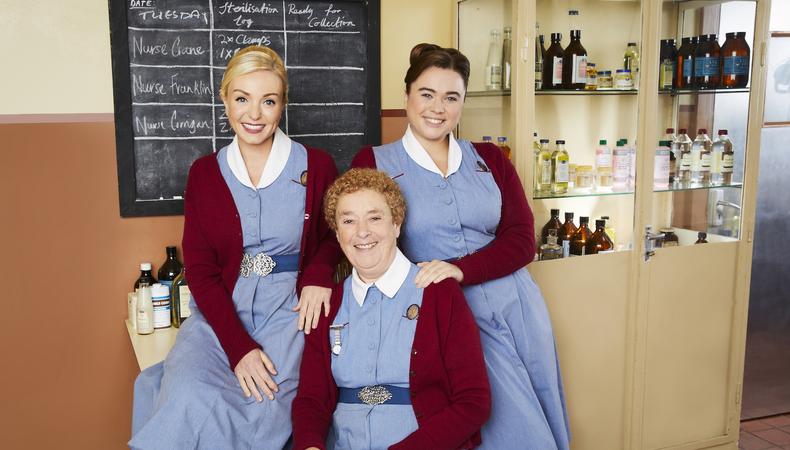
Want to be part of an award-winning British drama now on its 13th season? Fancy working alongside stalwarts of screen and stage, as well as exciting new talent—like babies? If so, joining the ensemble of the BBC’s “Call the Midwife” is a no-brainer. Luckily, we have all the information you need about how to get on cast on this juggernaut series.
JUMP TO
Heidi Thomas (“Upstairs Downstairs,” “Cranford”) created the Neal Street Productions series. Inspired by the memoirs of real-life nurse Jennifer Worth, “Call the Midwife” follows a group of midwives and nuns working in London’s East End during the turbulent postwar period. Babies, social change, babies, religion, heartache, and even more babies are just part of the series’ time-tested formula for success.
Its breezy style made the series an instant hit when it first aired in 2012, and more than a decade later, its popularity shows no sign of waning. The drama has also won fans around the world thanks to PBS and Netflix. There’s even a “Call The Midwife” cookbook, which is something you definitely wouldn’t get with, say, “The Last of Us.”
In the past, critics have denigrated the series for being too comfy a watch. But in its way, the show is also quite groundbreaking, centering women’s stories and tackling subjects like abortion and the use of thalidomide.
Helen George, who plays Nurse Trixie Franklin, told the Guardian that viewers shouldn’t underestimate “Call the Midwife.” “It lulls people into a warm, cuddly trance, but the subject matter is thought-provoking,” she said. “If it was purely a hard-hitting drama about social equality and feminism, it probably wouldn’t be as popular…. It might be wrapped in a cosy blanket and set in the past, but it still reflects modern society.”
The show has propelled many members of its primarily female cast to success. Its first lead was the then-unknown Jessica Raine, who departed the series after three seasons; currently, she’s starring on Prime Video’s “The Devil’s Hour” alongside Peter Capaldi. Other “Call the Midwife” alumni whose CVs benefitted from their time in the backstreets of East London include Miranda Hart (“Emma”), Erin Doherty (“The Crown”), Charlotte Ritchie (“Feel Good”), and “Promising Young Woman” Oscar winner Emerald Fennell.
But it’s not just those at the beginning of their careers whom “Call the Midwife” spotlights; brilliant veteran actors have guest starred on the show from the start. Dame Vanessa Redgrave is the voice of the narrator, and Jenny Agutter, Dame Harriet Walter, Pam Ferris, and Miriam Margolyes have all donned the trademark habit.
“Call the Midwife” is predominantly female-led behind the camera, too. Thomas remains the series’ key creative to this day, and Pippa Harris, who founded Neal Street Productions alongside Sam Mendes, continues to executive produce. The show is also notable for launching the careers of a raft of female TV directors, including BAFTA winner Philippa Lowthorpe (“The Third Day,” “The Crown”).
George told the Guardian that “Call the Midwife” holds a special place for her in her work. “Since the #MeToo movement, there’s been a real influx of female creatives and female-led casts,” she said. “But it was much more unusual in 2012 when we first aired. Our mix of younger and older actresses was rare, too.”
Another notable aspect of the show is its frequent casting of disabled actors. Harris told the BFI, “The other thing that Heidi has done rather effortlessly, which has now become a bit of a mantra in television, is the diversity of casting—particularly in terms of disability. There was a time when disabled actors found it really hard, particularly in mainstream drama. But Heidi has written time and again any number of disabilities and put them centre stage, which is one of the things I am proudest of.”
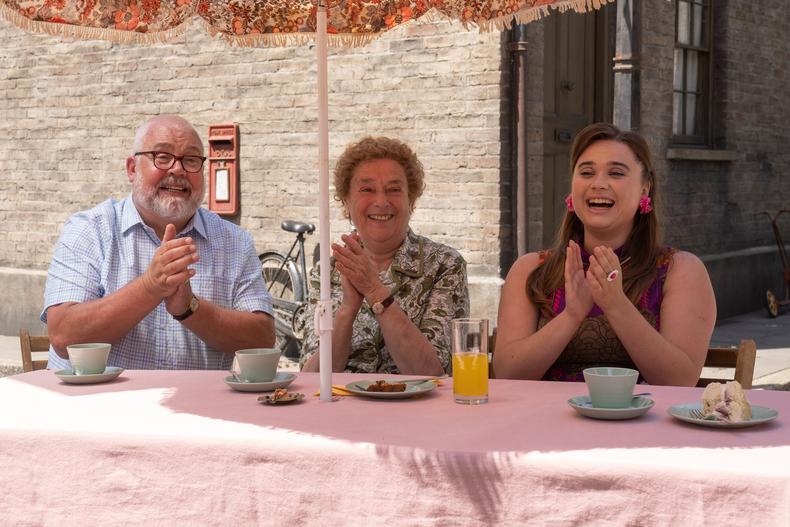
CDs Andy Pryor and Rebecca Wright both previously cast “Call The Midwife”, but Sophie Parrott (“Brittania,” “The Bletchley Circle”) currently holds the position. You can access her website here or email her at sophie@sophieparrottcasting.com. Also, keep an eye on her Twitter for the latest news. According to her site, Parrott is based in London but frequently works in the North of England.
As ever when it comes to contacting a casting director, be polite but professional if you’re reaching out directly. Tell them what you’ve got to offer, then let your talent do the talking. Be sure to keep your headshots, CV, and show reel up to date, and check our site regularly for casting calls.
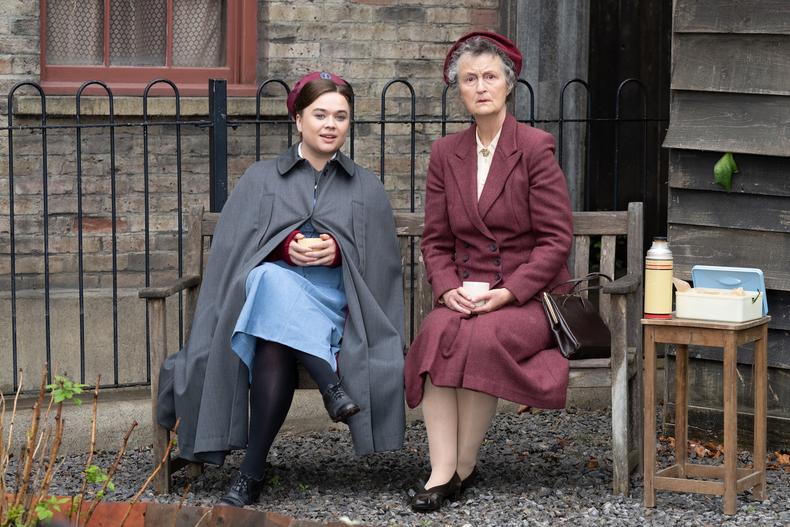
Doherty told us that acting on the series launched her screen career. “I guess it started with ‘Call the Midwife,’ ” she recalled. “I trained at Bristol Old Vic Theatre School and I started working in theatre straight after, which was amazing. I think I met the CD for ‘Call the Midwife’ as soon as I left school. And a part popped up maybe seven or eight months later, and I got it. That’s it, really; as soon as you get your foot in the door with screen stuff, it tends to just trickle on from there. ‘Call the Midwife’ was my first big break in terms of screen acting.”
Doherty added that she can be quite awkward when meeting people in the audition room. “As an actor, you’re meeting people and trying to be nice and start a working relationship, so you go for hugs!” she said. “But for some people, it’s just not their vibe and you have to respect that. Then you have to learn to rock a weird handshake-hug thing, because it happens all the time.”
Her top tip? “Calm down! Our job is predominantly to audition. You go up for more things than you get—that’s just a fact—so you’ll always be in this not-knowing headspace. Take the pressure off of yourself and just enjoy. Sink your teeth into what you love about it, and don’t worry about other people’s opinions. You might not get a job, and [if you don’t,] it wasn’t for you. Your view of a character, the way you wanted to play them, wasn’t the director’s view, so it wasn’t right. Trust your instincts and have fun.”
When Fennell chatted with us, she offered this advice to younger actors: “Whatever the reason is you got into it, whatever it is that makes you want to make stuff, that is the thing that makes you unique and puts you in the position to be able to make this thing. And only you can do it.”
Raine talked to Digital Spy about her audition for the part of Jenny Lee. “I auditioned for it [and] I got one phone call going, ‘Can you ride a bike?’ ” she said. “I thought, A bike? What does that mean? And then [I] heard nothing for another week or so, so I was climbing the walls. Then I found out [I got the role], and I was just very excited—and then scared.”
The actor said that she tried to be very honest about her inexperience during her audition. “I’d spoken a bit in the audition about how I hadn’t done much filming before and I was a bit scared of the camera, and overcoming that would be a great thing,” she recalled. “And then getting the role and going, OK, I’m going to have to overcome it! It was just terrifying, but everyone was very supportive. Me and Bryony Hannah [who plays Cynthia Miller] were in the same drama school, so that was great. And then there was this group of experienced actresses, with Miranda Hart in the middle bridging the gap, making everyone laugh. It just all clicked.”
Finally, know that you should expect the unexpected when it comes to auditioning. Leonie Elliott, who plays Nurse Lucille Anderson, told BUILD that for her callback, she had to do a hands-on birth scene. “If you can imagine me, the director, the producer, and the casting director, and the casting director is playing the expectant mother—there was a lot of guesswork!” she said.
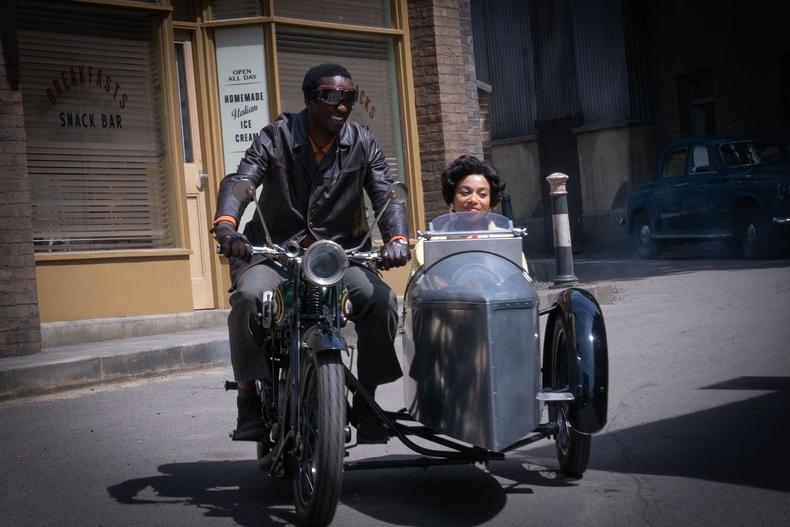
The women of Nonnatus House are about to head into the 1970s on Season 13, which will likely begin filming soon; so expect plenty of societal change and kipper ties. Earlier this year, the BBC renewed the series for two additional seasons, meaning it will air until at least 2026.
Speaking to RadioTimes about the future, Thomas said, “I do know that the original nuns on whom the original books were based left Poplar in 1976 because the social and the medical climate had changed. They relocated to Birmingham and focused more on spiritual work, so I don’t know how far into the 1970s we could go.”
So polish off your CV and practice your nun-related audition pieces, because the “Call the Midwife” team needs you!