
Amazon’s Steve McQueen anthology series “Small Axe” was unlike anything that had been on television before, both in style and substance. The intimate look into London’s West Indian community from the late 1960s through the early 1980s was a compilation of five related but unique feature films, each with its own cast—Golden Globe winner John Boyega and Letitia Wright among them. McQueen repeat collaborator Gary Davy was tapped to find the cast for the collection of films, and he dug into the U.K. talent pool to populate the creator’s powerful stories. He shares how the ensembles came together, how his shorthand with McQueen impacted the process, and where he searches when he wants to discover new talent.
“We keep our eyes and ears open at all times and are constantly on the lookout for new talent. I just wish there was more time in the day.”
What was the casting process like for “Small Axe”?
Steve loves actors, so everyone had a meeting. There were story outlines for the films, and we had a few lead characters to search for. Setting a couple of “name” actors can help steady a ship for networks. Ultimately, Steve wanted the right person for each role. John Boyega and Steve had been looking for something to work on together for a while, so this was an easy fit. They were instantly connected on the Leroy Logan character in “Red, White and Blue,” and John wanted to research and prep straight away. Letitia Wright instantly related to her [“Mangrove”] character—and to Steve. It seemed like these roles were perfect fits for both, and it was a privilege to be in the rooms when these discussions were had. Letitia actually signed on before “Black Panther” was shot and released. We also met with a couple of other name actors for other roles, but their busy schedules didn’t work out. Setting John and Letitia was the first thing we did.
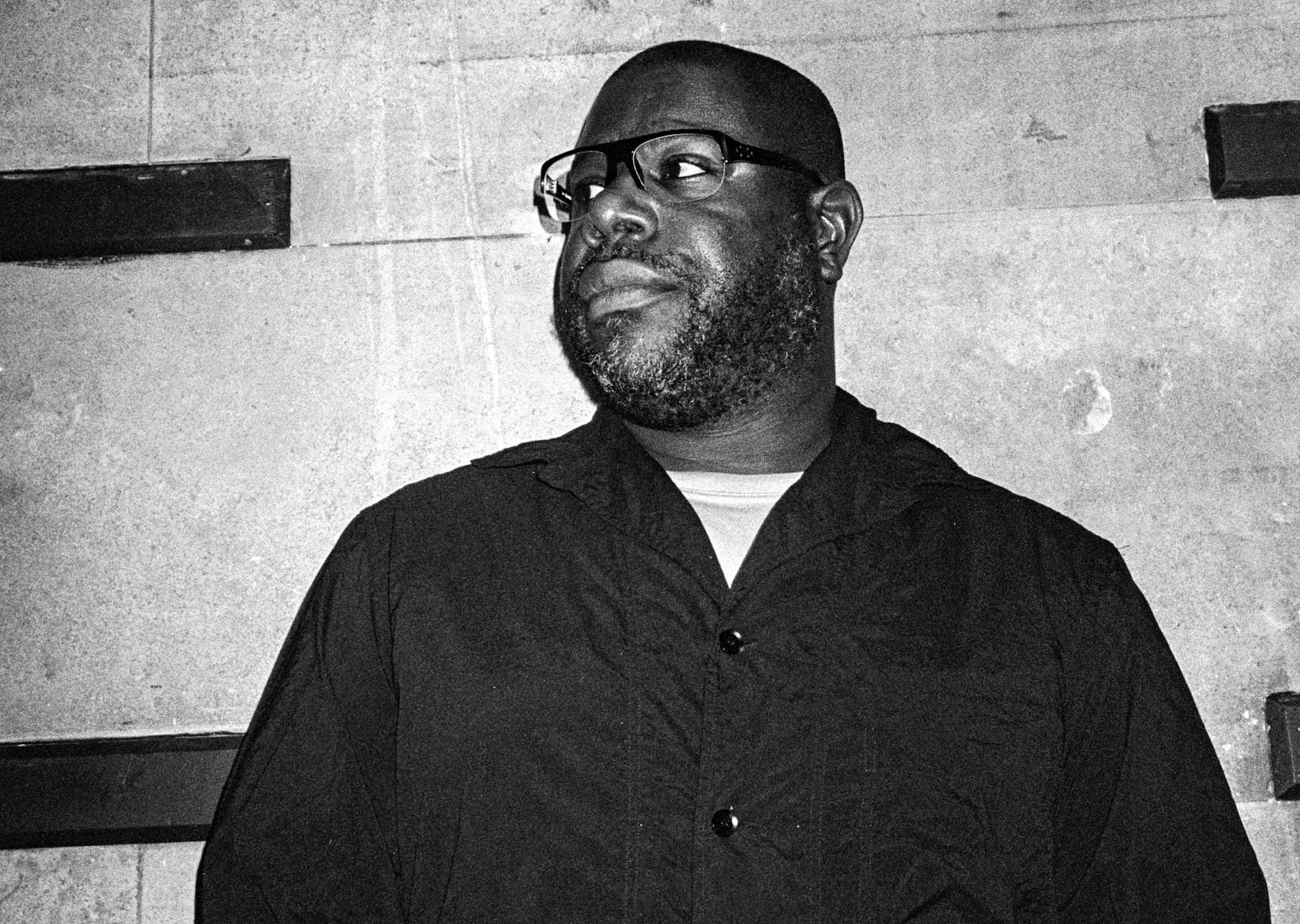 How Steve McQueen Became the Storyteller of His Generation
 What did the rest of the search look like?
The talent pool in the U.K. is so strong that the casting ideas snowballed as soon as scripts appeared. Alex Howes and Jessica [Straker] in my office joined, getting shortlists together and getting ready to set up meets. We had more prep time for “Mangrove,” which shot first and had the largest cast, but we had to work around Steve’s shooting schedules on all the other stories. Auditions were regularly held in Steve’s office on his days off or [on] his lunch breaks! Steve is always happy to meet actors and is always impressed with the U.K. talent. We didn’t have time to put loads of people in front of Steve, so having worked with him before was invaluable, as we had a shorthand. I prescreened most of the actors who met for the show, so time in the room wasn’t wasted and actors had already run through scenes, meaning they were also prepped and got Steve’s full attention. It was a fun and exciting time.
Where do you do those searches for talent outside of agent submissions?
Drama schools, youth groups, and National Youth Theatre are usually my first ports of call for newer, younger actors; but there are so many amazing places to investigate, Open Door being my favorite at the moment. We keep our eyes and ears open at all times, and are constantly on the lookout for new talent. I just wish there was more time in the day.
What can an actor do in an audition that will make them memorable to you?
Make that first instinctual read as honest and truthful to your vision of the character as possible. Try not to be too nervous. Don’t over-rehearse scenes; make sure you leave room for directors’ notes. Please remember the casting director always wants you to do well.
How did you work with Steve McQueen during the casting process?
I know what he likes, so with limited time on later TV films, I had to hit my brief for him. There was a lot resting on my shoulders, and I was determined to do my best work. Seeing his lip curl into a sly smile was a regular note that I was on the right track. Steve loves actors and always allows freedom, and is keen to see initial instinctual reads in the auditions. We even had to do a table read for “Lovers Rock” in Steve’s office, as time was very much against us on this one, and all our chosen actors (one per part) prepped like mad, had some dialect lessons, and smashed it on the day. I’ve never seen anything like it—such passion around the table in Steve’s office. Amazing. Music, atmosphere, youth, joy. Steve cast 90% of “Lovers Rock” from that one table read. It was truly beautiful!
What kind of research went into the process?
A few years before we started, Steve suggested I looked at some photography of the time, getting a sense of the London period from late ’60s to mid-’80s. Paul Gilroy’s book “Black Britain” was my starting point. It was great to have time to immerse [myself] and research. When I read the scripts, actors would pop into my head, and years of watching actors from youth groups, theater, TV, and film meant I had a strong pool of knowledge of actors I wanted to help showcase. Also, new names bolstered the lists continually. In fact, there were actors we genuinely wanted to give roles to, but there just wasn’t room, even as the cast list went above 150! Immersing [myself] in the period, reading and watching material, and being aware and respectful of the history was vital. We should all have been taught this!
“Be yourself and do your best. This is what I’ve always said to my godsons, and [it’s] a simple, useful tip. ‘Trust your instincts’ is also a good one for initial reads and/or auditions.”
What considerations do you make when casting a project that’s so focused on a specific community’s experience?
Respect, research, and allowing the actors to guide me as much as I was helping guide them. This was a fully collaborative process from start to finish. All producers, department heads, associate producers, and teams got involved [and] were interested in the other departments, and we all felt totally supported. I made sure I had the wonderful dialect coach Hazel Holder with me for auditions and for help reading in from Day One, and out of respect for the actors, I wanted a strong reader in the room.
What made this job unique compared with other casting jobs you’ve done?
Steve’s excitement and openness for complete unknowns as well as “stars” was liberating. He literally told me he wanted to showcase all our actors. “Just bring in the talent!” It gave me freedom to put everyone on a level playing field. My work at drama schools, youth groups, and the National Youth Theatre helped pay off with the younger characters and gave Steve some new faces to work with. He treated everyone the same.
What advice do you have for actors from the point of view of a casting director?
Be yourself and do your best. This is what I’ve always said to my godsons, and [it’s] a simple, useful tip. “Trust your instincts” is also a good one for initial reads and/or auditions.
What changes have you had to make to your process and what have been your experiences with casting during lockdown?
Being on my own in the office for more than a year and having the team working remotely isn’t always easy. I like people around, so being on my own rattling around in the office can be a bit strange, but I’ve been lucky to have plenty of work on, so I musn’t complain! We have had a few socially distanced meets in my studio upstairs with directors’ favorites for each role on projects during lockdown when allowed, all following strict COVID-19 protocols.
This story originally appeared in the June 3 issue of Backstage Magazine. Subscribe here.
Looking for remote work? Backstage has got you covered! Click here for auditions you can do from home!