Think anyone can go viral with just a smartphone and a dream? While TikTok stars like Charli D’Amelio and YouTube sensations like MrBeast prove you don’t need a Hollywood budget to make it big, most successful content creators rely on a carefully curated toolkit to create professional-looking, visually stunning content. Let’s break down everything you may want to consider buying to create great content—without breaking the bank.
1. A reliable computer
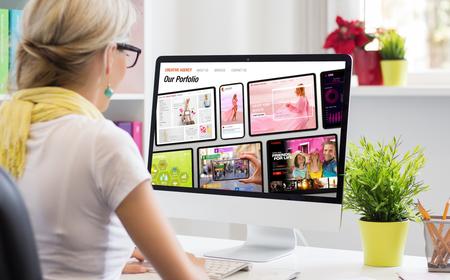
No matter what kind of content job you have—video essayist, livestreamer, podcaster, photographer, or graphic designer—a computer is the heart of your operation. It’s where you edit, upload, communicate with your audience, manage files, track analytics, and handle the day-to-day work that creators often underestimate.
You don’t need the most powerful machine on the market, but you do need a computer that won’t crash, freeze, or throttle when rendering videos or running creative software. A few key elements make the biggest difference:
- A processor (CPU) determines how quickly your computer handles complex tasks like video editing or multi-layer Photoshop projects.
- RAM influences how many heavy programs you can run simultaneously. For creators, 16GB is the floor; 32GB feels luxurious but genuinely useful.
- Storage such as fast SSD storage reduces load times and keeps you from waiting on your system. Always overestimate—creative projects eat space.
A capable computer doesn’t just save time, it saves momentum. Nothing disrupts a creative flow faster than a choppy timeline or a frozen screen. Whether you prefer a desktop powerhouse or a portable laptop, invest here first. It’s the foundation every other tool depends on.
2. A high-quality camera
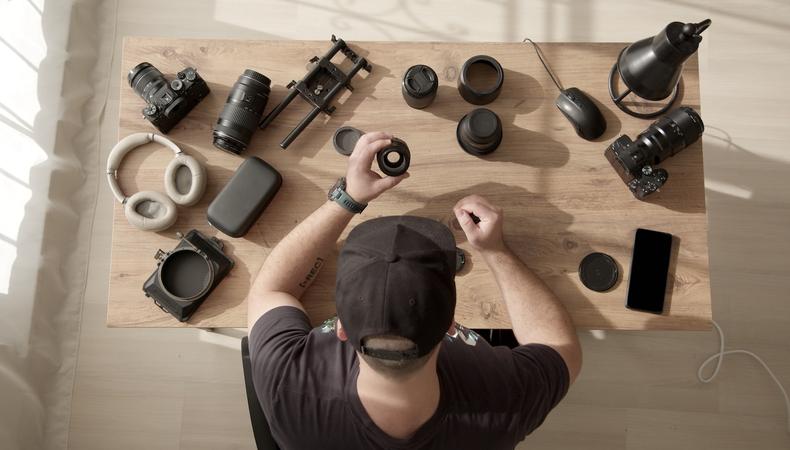
Your camera choice relies heavily on the kind of content you produce. Many creators start with a smartphone—and honestly, today’s flagship models can shoot shockingly good footage. But eventually, you may want more control over depth of field, dynamic range, and low-light performance. Dedicated cameras offer three primary advantages:
- Interchangeable lenses, which let you sculpt your image more intentionally.
- Larger sensors, improving clarity, color, and overall image quality.
- Better manual controls, which give your content a consistent, polished look.
Mirrorless cameras are the industry standard because they’re compact, lightweight, and extremely capable. They pair well with prime lenses, which offer sharpness and a cinematic feel even on a budget.
If you create long-form sit-down videos, educational content, interviews, or cinematic reels, upgrading your camera will be one of the most noticeable improvements your audience sees.
3. A versatile lens
Many new creators spend on the camera body but forget that the lens is actually what shapes the image. A great lens dramatically improves sharpness, color, and depth, even on a midrange camera.
Common lens options include:
- A 35mm or 50mm prime for talking-head videos, portraits, and general shooting.
- A wide-angle zoom for vlogging, travel, and dynamic setups.
- A macro lens for beauty creators or product-focused videos.
If you’re starting small, a single prime lens is often the best bang for your buck. It gives you a professional look without overcomplicating your kit.
4. A dependable microphone
Bad audio ruins good video. People will tolerate lower-resolution footage before they tolerate muddy, distant, or crackling sound. Because of that, a high-quality microphone should be one of your first upgrades. There are three main categories creators rely on:
- USB microphones are easy to plug in and perfect for podcasts, streaming, and voiceovers.
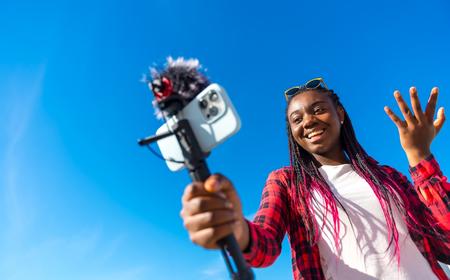
- Shotgun microphones are ideal for video creators who want clear, directional audio from behind or above the camera
- Lavalier microphones are small, clip-on mics that work well for interviews, outdoor content, or hands-free filming.
Even an affordable mic can make your content feel more professional instantly. And unlike cameras, microphones don’t become “obsolete” nearly as fast—meaning a good one can last you years.
5. Lighting gear
Lighting is one of the most underrated parts of a creator’s toolkit. Great lighting can make any camera look better, while poor lighting can make even a high-end setup look flat or amateurish. A few lighting essentials include:
- Key light: Your main source of illumination; usually a softbox or LED panel.
- Fill light: Reduces shadows for an even look (optional depending on your style).
- Accent or “practical” lights: Lamps, neon signs, or LED strips that create depth and mood in the background.
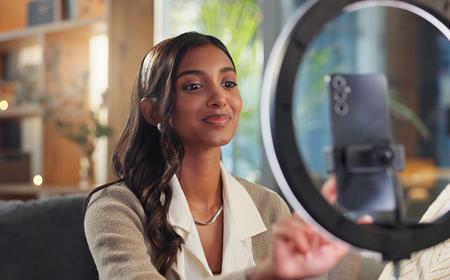
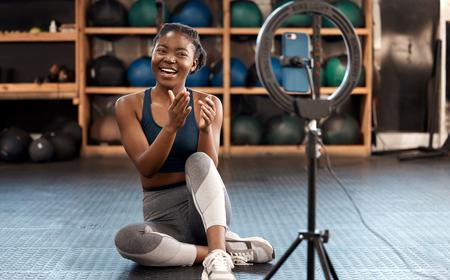
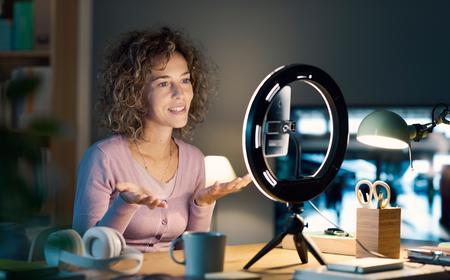
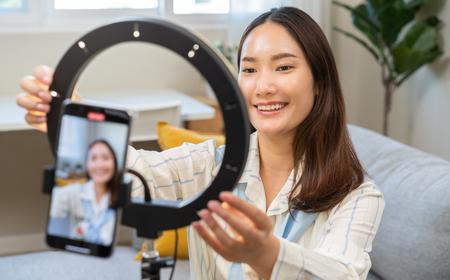
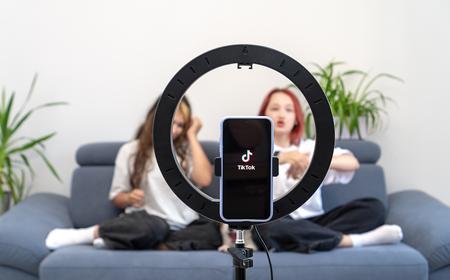
- Ring light: A pleasing frontal light that’s a favorite for influencers.
If you’re budget-conscious, a single softbox with diffused light is enough to elevate your entire setup. Lighting gives your content shape, helps your face look more dimensional on camera, and dramatically improves visual clarity.
6. A tripod or stabilizer
Nothing screams “beginner” like a shaky video. Whether you film in your room or on the go, stability is essential. A tripod keeps your frame consistent, prevents awkward angles, and lets you focus on presenting instead of constantly adjusting your camera. Types worth considering include:
- Standard tripod: Great for sit-down videos and overhead shots.
- Compact tabletop tripod: Ideal for vlogging or tight spaces.
- Gimbal stabilizer: For creators who shoot movement-heavy clips such as travel, fitness, or cinematic footage.
Stability keeps your videos comfortable to watch, which keeps people engaged—and that boosts retention, referrals, and the algorithm’s affection.
7. External storage
Storage isn’t glamorous, but it’s essential. High-resolution footage, RAW photos, and layered design files take up space quickly. Relying on your internal hard drive is a quick way to slow your system down. External SSDs offer:
- Fast transfer speeds
- Durability
- A way to offload footage without clogging your main drive
Losing footage is devastating, especially if it’s a sponsored project or difficult-to-recreate moment. Good storage protects your work and your peace of mind.
8. Editing software
Once you’ve captured footage or audio, the next step is refining it into polished content. Editing software shapes your story, helps control pacing, enhances color, and lets you add creative flair. Popular categories include:
- Video editing platforms like Adobe Premiere, Final Cut Pro, or DaVinci Resolve
- Photo editing tools such as Lightroom and Photoshop
- Audio editing and mixing platforms like Audacity or Adobe Audition
- Graphic design tools such as Canva or Photoshop for thumbnails, titles, and branding
You don’t need to master everything at once; instead, choose the tools relevant to your content type and grow from there. Editing is where your style becomes distinct, and investing time in the craft makes your content memorable.
9. Backdrop
Your background says a lot about your brand. While not every creator needs a decorated studio, having intentional visual elements—whether simple or elaborate—helps viewers recognize your style instantly.
You don’t need to overdo it; even a tidy, well-lit space is miles ahead of a cluttered or poorly considered background. The idea is to create visual consistency so your content feels polished and recognizable.
10. A capture card (if you stream or record gameplay)
For gamers, streamers, or anyone presenting from an external device (like a camera into your computer), a capture card is essential. It lets you:
- Stream high-quality footage from a camera or console
- Record extended sessions without overheating your camera
- Maintain stable video quality
This tool prevents choppy streams and lets your audience experience your content the way you intended.
11. A teleprompter
If your content involves educational videos, listicles, commentary, or storytelling, a teleprompter makes a massive difference. Teleprompters have become surprisingly affordable, and many pair with your smartphone to display scripts or bullet points. They streamline filming and create a more confident on-camera presence.
Final thoughts: Build slowly, upgrade smartly.
You don’t need to buy everything at once. The best approach is to start with what you have, identify what slows you down or limits your quality, and upgrade piece by piece. Every creator’s journey is different, and your gear should support your style, workflow, and creative goals—not mimic someone else’s setup.
But investing in reliable, thoughtfully chosen equipment transforms the way you create. It keeps your process efficient, helps you produce consistent high-quality content, and ultimately lets you focus on what matters most: your ideas, your voice, and your connection with your audience. The tools listed here make that possible. Start with the essentials, listen to your creative instincts, and build a kit that helps your best work shine.