Whether humor is deadpan, like in “The Big Lebowski”; surreal, à la Tim Robinson’s “I Think You Should Leave”; or observational, as typified by “Seinfeld,” there’s a comedy style out there to tickle nearly anyone’s funny bone. From slapstick physicality to biting satire, gallows humor to dry wit, and everything in between, there are endless styles and techniques to make us laugh. Here are 12 of the most prominent.
Generally, comedy is an art form aimed at one thing: shared amusement. However, many styles of comedy and methods of joke writing have emerged over the years as writers and comedians seek this goal. Comedy can be broken down into the following genres, each with its own distinct characteristics and techniques:
- Slapstick: This is the oldest form of comedy, originating from the Italian commedia dell’arte. Popularized by performers such as Charlie Chaplin, Buster Keaton, and the Three Stooges, slapstick relies on visual gags, physical stunts, and exaggerated scenes of violence and chaos to elicit laughter. Today’s physical comedians like Jim Carrey and Rowan Atkinson (“Mr. Bean”) can use body language, facial expressions, and gestures to convey humor without saying a single word.
- Parody: Ever seen “Spaceballs”? Parody takes well-known stories and gives them comedic twists. It’s a mixture of humor and homage, poking fun at the source material while still paying tribute to it.
- Character: Some comedians develop unique characters, like Sacha Baron Cohen’s Borat and Ali G, to bring the laughs. These characters might be hilarious due to their personality or because of the situations they put themselves in.
- Romantic: Love plus laughs equals rom-com. It’s the formula that brought us classics like “When Harry Met Sally” and “Clueless”—and yes, they can make us cry too.
- Dark: This genre takes taboo subjects and makes them funny with a touch of irony and impeccable comedic timing. It forces us to laugh at things we normally wouldn’t, pushing the boundaries of what is socially acceptable. Comedians like George Carlin and Anthony Jeselnik are known for their use of this type of morbid, edgy humor.
- Observational: It’s all about finding humor in everyday life. Jerry Seinfeld and Larry David are masters of this type of comedy, taking mundane situations and familiar comedic character archetypes and turning them into relatable and hilarious bits in shows like “Seinfeld” and “Curb Your Enthusiasm.”
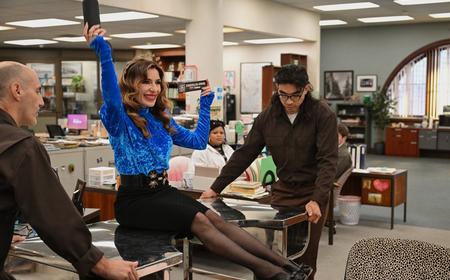
- Situational: This comedy type comes from the absurdity, awkwardness, and irony created by a situation’s context and circumstances. “The Office” is a prime example of situational humor, with Michael Scott constantly creating cringey situations, such as going back on his promise to pay students’ college tuition or inviting his coworkers over for a torturously dysfunctional dinner party.
- Surreal: Often described as “weird” or “quirky,” surreal comedy is all about creating absurd and bizarre situations that defy logic. Shows like “The Mighty Boosh” and “Monty Python’s Flying Circus” are prime examples of this genre. Today, you’d be hard-pressed to find better surreal comedy than Nathan Fielder and his shows “Nathan For You,” “The Rehearsal,” and “The Curse.”
- Musical: Because sometimes you just gotta sing it out. From the Lonely Island to “Flight of the Conchords,” musical comedy combines tunes and laughs in perfect harmony.
- Farce: An exaggerated humor that uses extreme situations and eccentric characters to create chaos and confusion, farce aims to entertain through its ridiculousness and outrageous plot twists. It’s a popular theatrical comedy style, as evidenced by farcical plays like Oscar Wilde’s “The Importance of Being Earnest” and Michael Frayn’s “Noises Off.” This comedy style is also what makes movies like “The Hangover” and “Home Alone” so funny.
- Dry: Also known as deadpan humor, this type of humor relies on a delivery that is intentionally flat and emotionless. Masters of dry comedy like Demitri Martin and Steven Wright are able to catch the audience off guard, making them laugh at something unexpected or mundane.
- Satire: One of the cleverest members of the humor family, satire takes a jab at society, politics, and everything in between. The Onion, “The Colbert Report,” and “American Fiction” all satirize their subjects, making viewers think in between laughs.

Pressmaster/Shutterstock
Each of these performance styles can span a variety of comedic genres, sometimes during a single show.
- Stand-up: It’s direct, personal, and can range from storytelling to one-liners. With the rise of streaming services, stand-up specials have become a popular form of entertainment, giving comedians an hour or more to showcase their material in front of a live audience, to be watched and rewatched ad infinitum. Whether starring comedy legends like Dave Chappelle and Chris Rock or up-and-comers like Geoffrey Asmus and Lolly Adefope, stand-up specials have become a staple in the world of laughs.
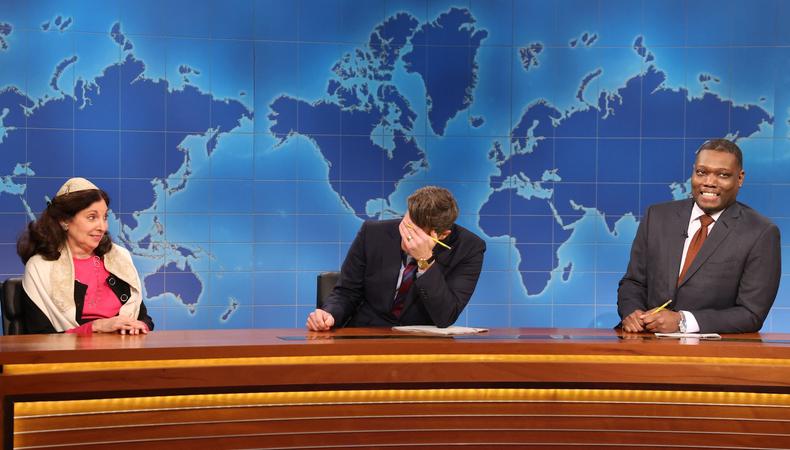
- Sketch: Entailing short scripted scenes as seen on “Saturday Night Live” and “Key & Peele,” sketch comedy is fast-paced and relies on strong writing, funny characters, and expert timing. Sketch comedians often have a team of writers and performers to help create their sketches, making it a collaborative art form.
- Improv: Short for improvisation, this is the art of creating comedy on the spot. Improv relies heavily on quick thinking, teamwork, and the ability to say “yes, and...” to build scenes and jokes in real time. Improvisers are well-studied in comedic terms and methods to bounce off each other like a jazz band. Second City is a breeding ground for improv legends like Steve Carell and Tina Fey.
Comedy is much more than just telling jokes; it’s a reflection of our society, a commentary on our everyday lives, and a universal language that connects us all through laughter. Remember, comedy may look easy, but it’s a craft honed by hours of hard work, endless nights of bombing onstage, and the relentless pursuit of that next great laugh.