HelloFresh pays a flat rate starting at $10 for every new customer a creator sends its way. Amazon Associates shells out between 1% and 10% of the purchase cost, depending on the category. Both are affiliate programs, and both rank among the most accessible revenue streams available to a full-time creator—no pitch deck, no rate negotiation, no waiting on an invoice. Simply enroll, add your affiliate links, and earn a commission whenever someone makes a purchase.
An affiliate program is essentially a deal with a brand where you promote its product, share a unique link with your audience, and the brand pays you a commission on every sale made through that link (either a flat fee or a percentage).
It is a relatively straightforward arrangement, with one piece of fine print that is important to understand: the cookie window. The cookie window is the amount of time between a follower clicking your link and the moment they make a purchase. If a follower buys within that window, you get the commission. These windows vary greatly from program to program, from Amazon’s 24 hours to Ulta Beauty’s 30 days.
Affiliate programs sit below both brand sponsorships and ambassador deals on the commitment ladder. They generally don’t require any obligation to create content, no time spent pitching, and no one checking in to see whether you are posting about the brand. They are strictly performance-based and often open to sign-up. Brands love them because they pay only when something sells, which makes the arrangement low-cost and low-risk.
If you’re still building an audience as a content creator or working toward becoming a full-fledged social media influencer, affiliate links let you practice monetizing your content. As your audience grows and clicks through, you’ll generate proof of what your followers actually buy, which can help you land brand deals down the line. The income is modest at the smaller end, but very real. Consistent microinfluencers can earn $100 to $1,000 per month from affiliate links, according to Later (formerly Mavely).
The caveat is in the correlation between affiliate income and content output. The more you post—and the more often you point your audience toward your links—the more likely they are to use them, and the more you earn. But you also don’t want to compromise the trust you’ve built by selling something in every post. Audiences are growing wary of influencers: Harvard Business School researchers found that even a single sponsored video measurably shrinks an influencer’s subscriber count, an effect they call “reputation burning.” The study put the average drop at 0.19% per sponsored video, with the sharpest losses among creators with the biggest audiences. It’s a delicate balance, and one reason affiliate earnings stay on the smaller side for most influencers.
Two housekeeping notes before the list: First, commission rates and cookie windows change often and without ceremony, so treat the numbers below as a snapshot and confirm current terms on each program’s page before signing up. Second, the same brand often pays different rates depending on which door you walk through. Platforms like Later negotiate boosted commissions that can run well above a brand’s standard rate.
Amazon is the default starting point, for better or worse. Depending on the product category, commissions on Amazon Associates run roughly between 1% and 10%, with luxury beauty and Amazon Games at the top of the table; most everyday physical goods sit near the floor. The cookie window is a stingy 24 hours, though it stretches considerably on any item a shopper adds to the cart during that first day. Amazon’s real advantage is the lack of friction between audiences and its platform. Many people already have Prime and are quicker to hit checkout there than anywhere else. Sign-up is open to all, with no follower minimums.
2. LTK
LTK (formerly rewardStyle and LIKEtoKNOW.it) is a fashion, beauty, and home platform that curates its creator pool through application-based enrollment. Its appeal is that users open the LTK app specifically to shop what a creator uses and promotes, which makes them more purpose-driven than someone who stumbles onto a link mid-scroll. Because the program screens for an engaged public following and a consistent posting cadence, consider this an aspirational program worth applying to once your content is steady and your audience has grown.
3. Later
Later (formerly Mavely) requires no follower minimum or fee to join its affiliate program. Those just starting out might find its dashboard helpful, since it connects you to 1,400-plus brands like Chomps, QVC, and Walmart through a single platform. It’s the lowest lift on this list and a solid start for creators looking to dip their toes in. The platform may also offer higher commission rates on select brands, categories, and products. Later also negotiates higher rates for influencers who opt into brand programs through its platform. Kohl’s standard affiliate network pays up to 3%, for instance, but sign up through Later and the rate can reach 14%.
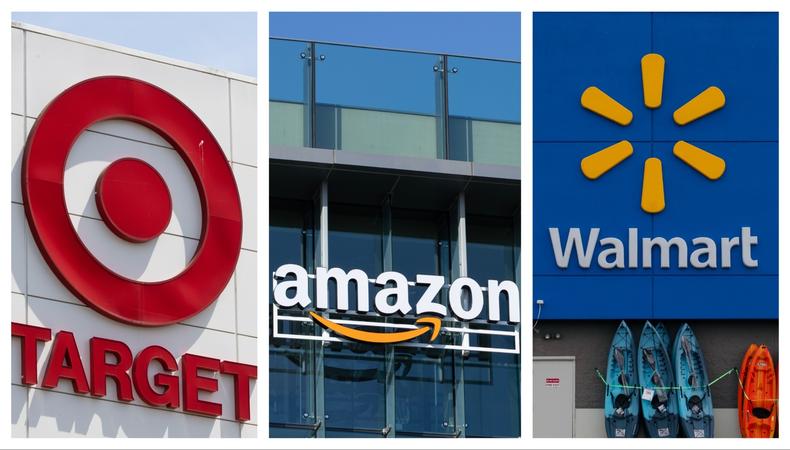
Target’s program pays by category, from up to 8% on home and outdoor products down to categories that pay almost nothing. It offers a bountiful seven-day, full-cart cookie window, meaning affiliates earn commission on everything purchased after the click, not just the item you linked. That is great for creators whose followers shop the way everyone shops at Target—coming in for one specific thing and checking out with nine.
On the downside, applications are reviewed manually, making the process less beginner-friendly, and payouts can lag two to three months. Club Target, the points-based program that replaced Target’s original creator tier in 2026, is open to creators with 500-plus followers and swaps cash payouts for points, gift cards, and products until you reach its upper tiers—a reasonable on-ramp for creators just starting.
Walmart offers two doors. Its standard affiliate program through the Impact.com platform pays roughly 1% to 4% depending on product category, while Walmart Creator, the store’s social-first program, is reported to pay well above that on categories like home decor and beauty. Approval typically comes back in a few business days, and every creator gets a customizable storefront to stock with their picks. Since Walmart’s catalog spans from Olipop prebiotic sodas to the newest PlayStation console, it fits almost any content niche that occasionally warrants a “Here’s what I bought.”
5. Ulta Beauty
Ulta’s UB Creates program is one of the most used platforms in one of the most popular influencer niches. Beauty and skincare creators showcase full skincare routines, makeup tutorials, and “get ready with me” videos, and Ulta’s comprehensive catalog lets you link every product in a video at once. That is essential in a niche where routines run several products deep and followers buy them together. The program pays around 2% with a 30-day cookie window. The rate may seem low, but the category is built for volume: Followers repurchase favorites and often screenshot a video now to buy later, which is where that long cookie period comes in handy.
7. Etsy
Etsy gives creators two entry points. The first is its standard affiliate program, which is open by application. The second, its Creator Collective, requires a minimum of 500 followers on at least one platform and adds community events and perks in return. Commissions start around 4%, and Etsy’s posted cookie period runs 30 days for affiliates, with shorter windows for creators and for purchases completed in the Etsy app. But the real draw is the subtlety of Etsy’s brand carrying over into its links. For creators in the handmade, vintage, home, or gifting niches, an Etsy link hardly reads as an ad and more like a friendly nudge toward a small business owner’s online storefront.
8. HelloFresh
HelloFresh has become one of the more popular brand affiliate programs among creators because it pays a flat rate rather than a percentage. The standard U.S. program offers a fixed $10 for every new customer, with a 14-day cookie window, while Later’s boosted rate climbs as high as a head-turning $52.50 per sale. That flat structure changes the math even for microinfluencers in the food and family space. You don’t need a big audience buying often to build a decent stream of income; a handful of followers hungry enough to try a box can be worth signing up for.
It might be tempting to start tacking affiliate links onto every piece of content you put out, but a link only converts if the recommendation behind it is believable. Audiences have grown to trust creators who sincerely back and use what they promote. Stick to programs that match your niche and products you already own; followers can smell a random link thrown in for a commission from a mile away.
The content formats that convert best are the ones that would exist without the link anyway, such as tutorials, honest reviews, “shop with me” posts, and comparisons, according to Later. Disclose every affiliate relationship clearly per the FTC’s endorsement guidelines, using built-in app features or hashtags like #ad or #affiliate.
It can be exciting when affiliate income starts trickling in, but its value goes beyond the dollar amount. Tracking your conversions will tell you what your audience is actually interested in. Keep in mind, those numbers have a second life: When you eventually pitch brands for brand deals or sponsored posts, “My followers bought 200 of these” is an evidence-based case that will make your media kit stand out.