The final onscreen product of any film project is shaped by the deft work of editors who sift through every available take to piece together the most impactful final version of the director’s vision. Leo Trombetta went from shooting and editing his own movies as a young child to working as an apprentice sound editor to eventually editing projects that have most recently included “The Outsider” and “True Detective” for HBO.
In conversation with Backstage, Trombetta shares how the best editing goes unnoticed and why a background in music can prove helpful for someone looking to get into his line of work.
What does a film editor do?
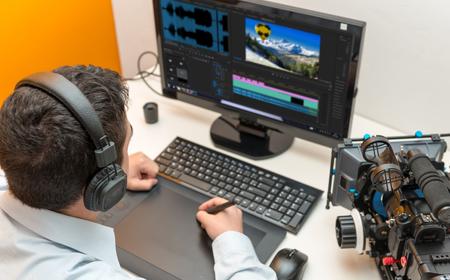
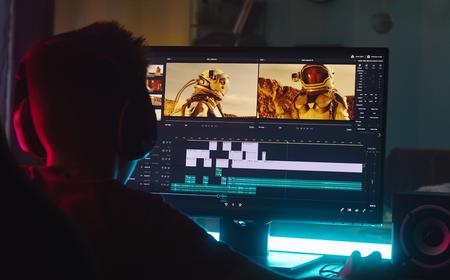
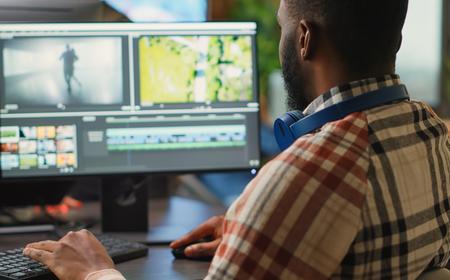
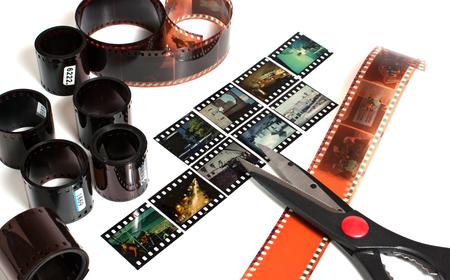
An editor takes the raw material that a director shoots and selects the best moments, editing them together to tell a particular story. How well and how successfully you tell that story is where the editor’s skill comes into play. With each scene, you’re presented with a variety of choices and every choice either enhances or detracts from the story you are trying to tell. Shot by shot, the choices you’re making can reveal not only what the characters are communicating to each other, but what is being withheld. As the saying goes, the editing room is where the final rewrite of the script takes place.
How did you get started as a film editor?
After years of unsuccessfully trying to break into the business, I finally got a job as an apprentice sound editor on “The Equalizer,” gradually becoming an assistant sound editor and then a sound editor on features for directors like Spike Lee, Brian De Palma, and Sidney Lumet. The opportunity to move into picture editing finally came when I heard that a director named Rob Weiss was looking for someone to edit his first film titled “Amongst Friends.” I got hold of Rob’s phone number and called, asking him to give me a shot. After sending him my résumé and a short film I’d made in college, I began pestering him until he finally took pity on me and gave me the job. “Amongst Friends” was accepted to the 1993 Sundance Film Festival where it got a great reception and, more importantly, a positive review in Variety which singled out the editing, which later helped in getting an agent.
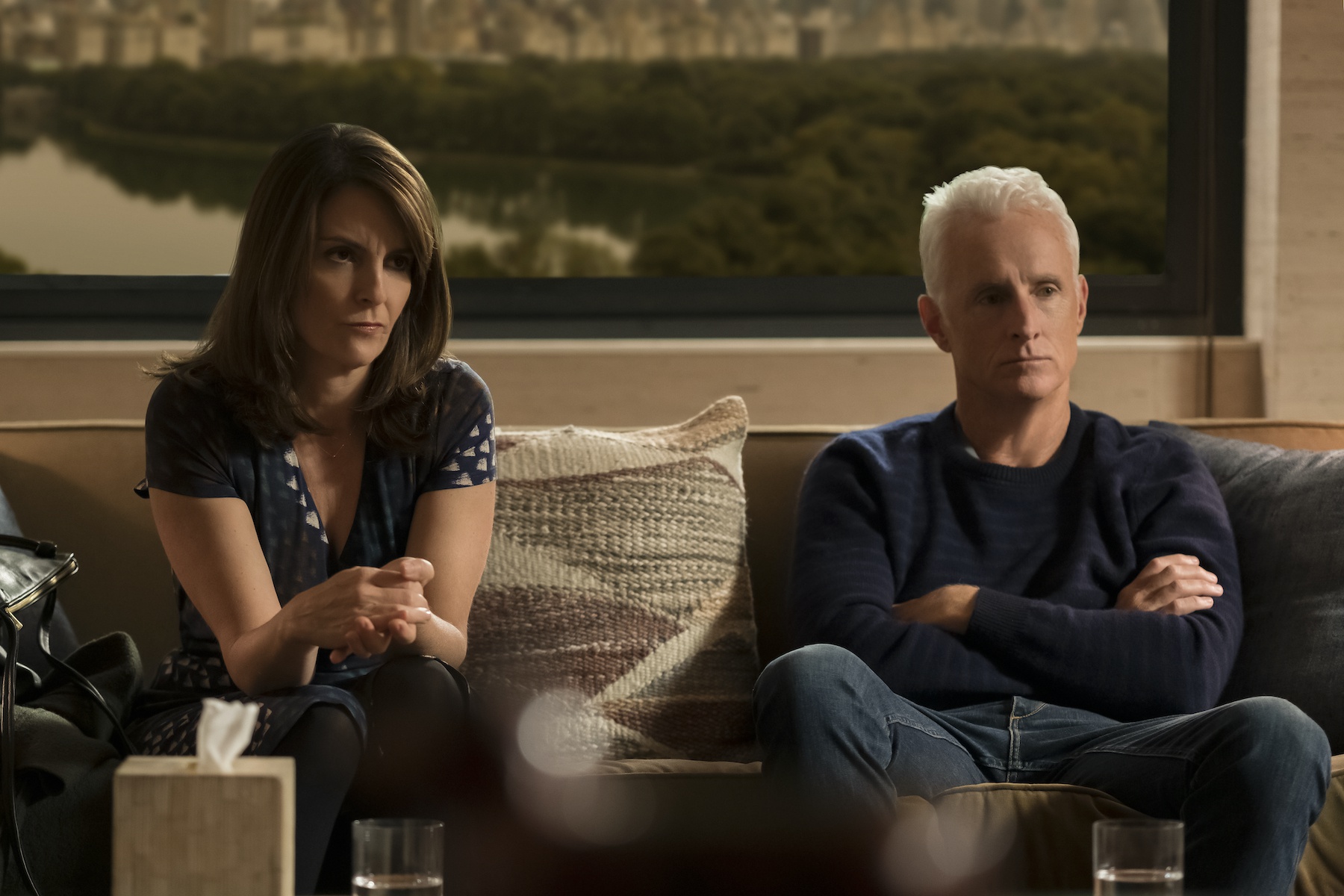 A Day in the Life of a Film Editor: Ken Eluto of Amazon’s ‘Modern Love’
 How do you find work?
I have a great agent named Lara Sackett at ICM who tries to find projects that she thinks I might be good for. Occasionally, I’ll get a call from a director or producer I’ve previously worked with, asking about my availability but for the most part, I rely on Lara and her team.
What training does someone need to be a film editor?
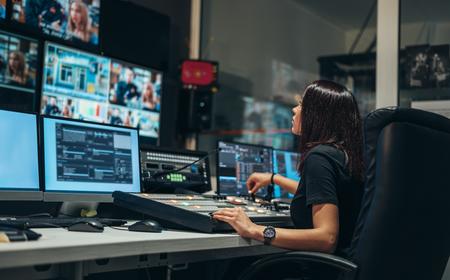
On the technical side of things, you need to be familiar with the editing system you’ll be working on. In my experience, Avid Media Composer is the one preferred by most editors working in features and television though there are others like Adobe Premiere that are gaining in popularity. The technical aspects, however, are not as important as knowing how to tell a story with images. Watching as many different kinds of movies as you can (sometimes with the sound turned off) can be a great way to begin understanding the power of one image against another.
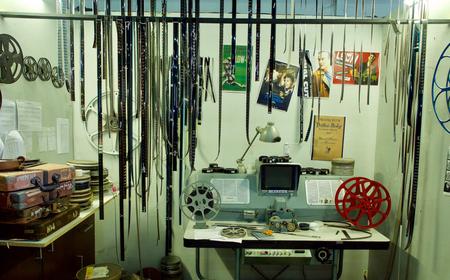
I’d been shooting and editing my own 8mm movies since I was a kid. As I got older, I would bring my camera to rock concerts and, after having them processed, I’d take them to my room and begin putting them together. Without realizing it, I was learning about screen direction and the matching of a person’s movements to create the illusion of a seamless performance from a number of disparate takes. It was when I entered college and began taking courses that introduced me to foreign and avant-garde films that I never would have been exposed to otherwise, that I began to understand editing on a deeper level than just the technical side.
What’s one thing you wish everyone knew about your work?
I wish everyone understood how much effort goes into crafting a scene from a number of individual takes of different sizes and angles so that what ends up in the finished product is easy to follow and appears seamless and “unedited.” That’s the ultimate irony for editors in that some of our proudest moments are those that don’t draw attention to themselves.
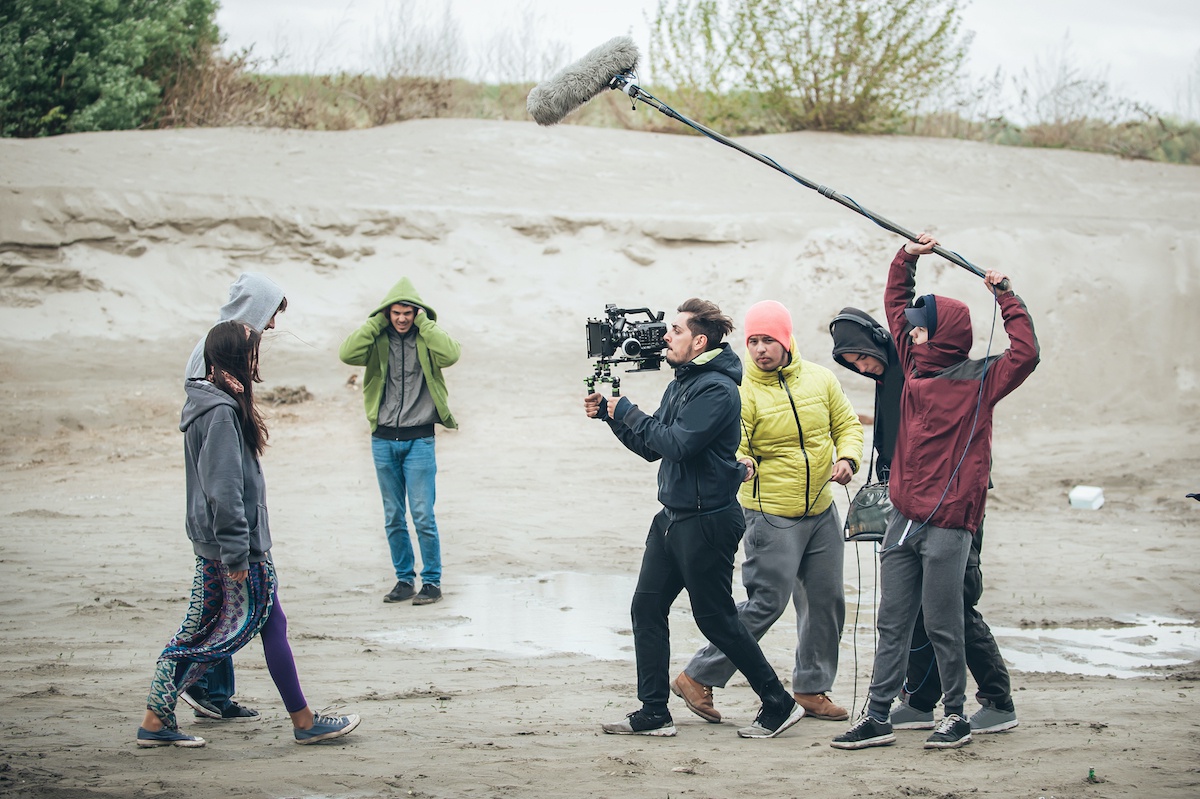 How + Why You Need to Build Your Crew Network
 What skills are essential to have if you want to become a film editor?
Aside from knowing how to operate the equipment, it helps to have an obsessive personality. Not being satisfied until you’re absolutely sure that you’ve tried every possible variation of a scene and have selected the best moments from all the available takes. An editor should also have an understanding of story construction. A musical background or a strong sense of music is a great help as there is a rhythm that’s created when constructing a scene that helps to keep the viewer’s attention on the story and the performances and away from the editing.
What advice would you give aspiring film editors?
I moved to New York in 1982 and didn’t get my first job in editorial until 1987 so, given my own personal experience, the best advice I could give anyone is to not give up. My particular path was so circuitous and full of unbelievable coincidences that I am convinced that, no matter how hopeless things may seem at any given point, if you stay focused and continue putting yourself out there, no matter how futile it might seem at the time, you will eventually achieve your goal.
Are there any moments of great editing you’re inspired by?
I would have loved to have been part of the team that worked on Orson Welles’ “The Other Side Of The Wind.” I also have to admit to a long-harbored fantasy of having Jerry Lewis ask me to help re-cut “The Day The Clown Cried.” Alas, that ship has sailed.
Want to learn more about working on a film crew? Visit Backstage’s crew hub!