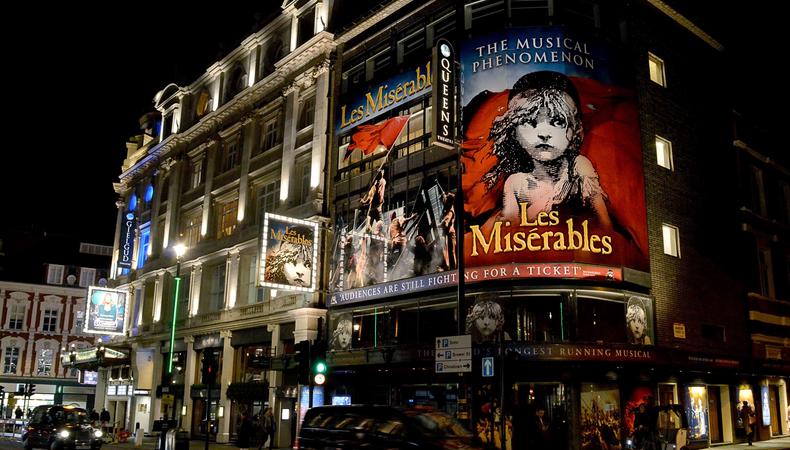
UK theatres recently passed one year since their enforced closure due to coronavirus. The date, 16 March, was marked with a campaign from the Society of London Theatre (SOLT) highlighting the continuing plight of the freelance workforce upon which the industry depends. It was also a sobering reminder that venues have now been closed for a period of time unparalleled in modern history.
But there is hope amid the continuing despair. Prime Minister Boris Johnson recently unveiled his “roadmap” out of lockdown, including a date for the partial reopening of indoor venues (17 May) and the potential removal of all social restrictions (21 June). Meanwhile, government trials are currently ongoing regarding the safe running of mass events, which could see “vaccine passports” and test results being required for entry.
Looking for your next stage or screen role? Check out our UK castings
Producer James Seabright, whose productions have played venues ranging from the Edinburgh Fringe to the West End, speaks for many when he says the last twelve months have been a constant cycle of hope and disappointment.
“When I spoke to a fellow producer on the anniversary of theatres closing, we agreed that it was effectively Groundhog Day – a year earlier, we had all thought that we’d be back in business in London by the summer and that the Fringe might be able to go ahead. While neither of those things happened in 2020, I am optimistic that they will in 2021.”
 5 Top Tips UK Theatre Directors Want Actors to Know
 Since the Prime Minister’s roadmap was announced, there has been a veritable avalanche of theatre news. The National Theatre will open two new productions, including a new version of Under Milk Wood starring Michael Sheen, in June. Across the UK other venues have unveiled new seasons. And West End productions including The Lion King, Six, and Harry Potter and the Cursed Child have started taking bookings again.
But, as ever with the pandemic, a “hope for the best, plan for the worst” approach seems wise. With a third wave now growing across Europe, there are fears the UK will soon be affected, despite the fast roll-out of vaccines.
“By Easter, the data will show if there has been a surge in infections due to schools going back. If that doesn’t happen, I think we will have collectively passed the threshold.”
Paul Miller is artistic director of the fringe Orange Tree Theatre in Richmond. He tells us the next few weeks are vital: “By Easter, the data will show if there has been a surge in infections due to schools going back. If that doesn’t happen, I think we will have collectively passed the threshold.”
The Orange Tree is planning a partial reopening in May, which will mark the venue’s first live performances in 14 months. Miller says to facilitate this, they are introducing a “whole raft of safety measures,” notably a reduction in seating, regular cleaning and carefully orchestrated entry arrangements, to ensure the audience is safe.
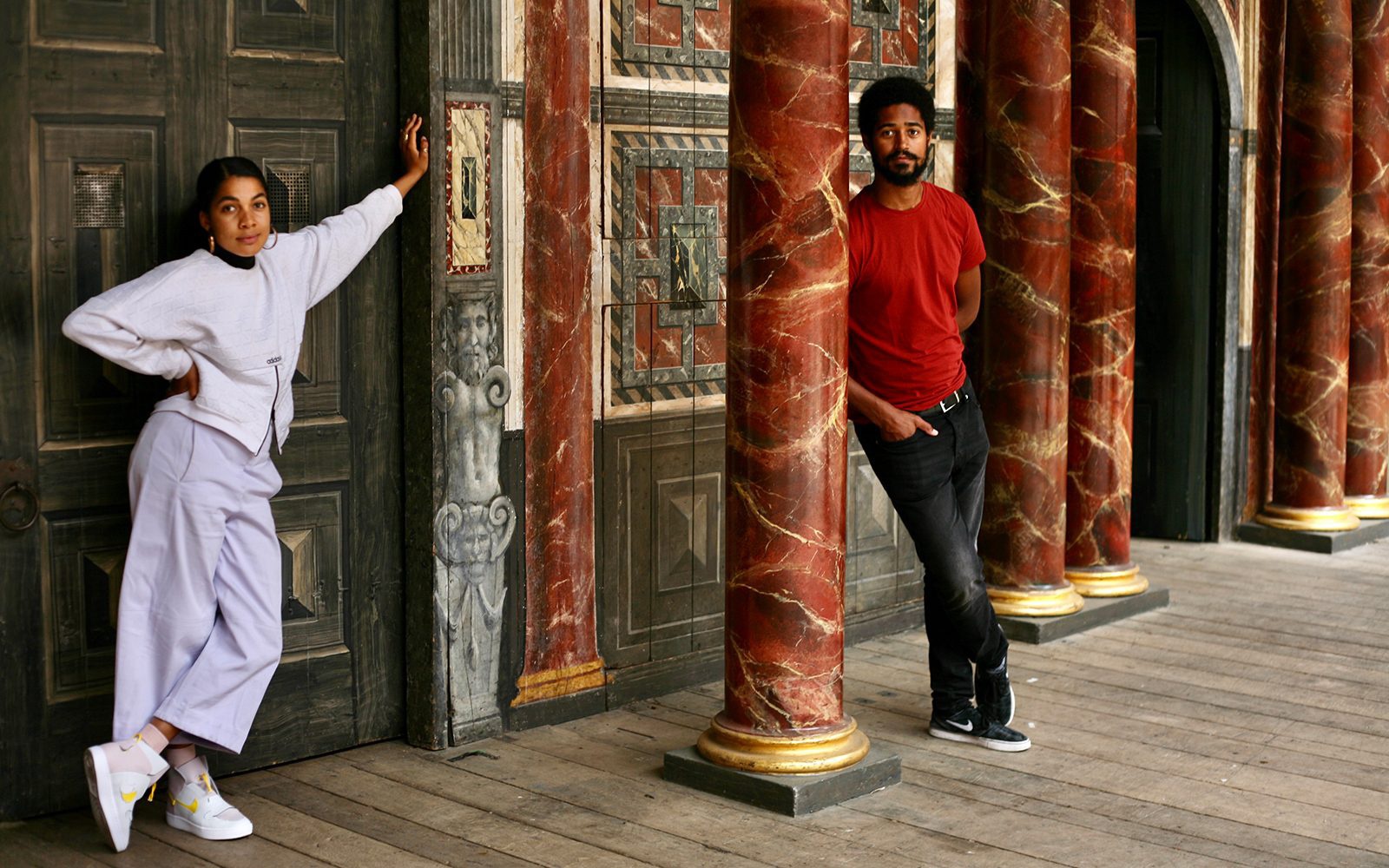 Claudia Conway. Pictured: Alfred Enoch and Rebekah Murrell, starring in Romeo and Juliet at the Globe this summer.
Like many theatre makers, he is nervous that, should another spike in cases occur, indoor performances will be among the first things to be restricted. As such, he says every production will be filmed, meaning “even if live performances get cancelled again, we will have the capacity to live stream them.”
This is good news for theatre workers, who will still have the prospect of income even if audiences are absent. The past year has been brutal for freelancers in particular, many of whom have received no government support as they didn’t qualify for the SEISS (Self-Employed Income Support Scheme).
On 16 March, stars including Benedict Cumberbatch, Chiwetel Ejiofor, and Kate Winslet posted selfies with the hashtag #FirstInLastOut in order to raise funds for the Theatre Artists Fund, which supports freelancers. Director Sir Sam Mendes, who founded the fund, said that the “immense level of support” for the campaign had demonstrated that “while theatres may be closed, the spirit of the theatre community is well and truly alive.”
However, the financial situation for most theatres and staff remains bleak. A recent survey by SOLT and UK Theatre showed that 95% of theatres are worse off than they were a year ago. Most have lost more than £1million, while one in four industry freelancers have gone out of business. More encouragingly, 60% of the 1,000 venues and organisations surveyed said they had plans to restart trading from 17 May.
 6 Musical Theatre Agencies UK Actors Should Know
 In the meantime, the uncertainty and insecurity that has become the hallmark of the past 12 months for so many working in UK theatre is destined to continue.
Heather Westwell is co-founder of New Old Friends theatre company, which were four performances into a national tour when the first lockdown came in. The show, Crimes, Camera, Action, has since been rescheduled twice, and they are hoping to finally recommence in the spring. “It’s been fairly awful,” she says. “We’ve felt responsible, almost guilty, for our freelance collaborators’ struggles and missed connecting with live audiences.”
“This is a historic moment, and not to be underestimated. We have a long way to go as we emerge and heal from this, but theatre can help us get there.”
And it’s that word – connecting – that seems so critical. Theatre, after all, is an art form built on close collaboration, whether in the rehearsal room or the auditorium. For many the past 12 months have put on hold not just careers and livelihoods, but life itself.
“I think it’s going to take us all a long time to get over the psychic shock of it all,” says Miller. “Many of us have devoted our lives to the shared experience, and that has suddenly become a scary thing. It has felt like an assault on who we are, and we’ll be living with the emotional consequences of that for a very long time.”
However, if anything is ideally placed to aid that process of recovery, it is live theatre. After all, Shakespeare himself had to weather theatre closures induced by the plague.
As Globe artistic director Michelle Terry eloquently put it when announcing the venue’s summer season: “This is a historic moment, and not to be underestimated. We have a long way to go as we emerge and heal from this, but theatre can help us get there: that's what it's for. To express the often inexpressible, bear the often unbearable, laugh, cry, be – safely – together.”
More industry advice for UK actors? Click here.