Imagine being the cinematographer creating the futuristic world of Wakanda for “Black Panther.” Or the VFX supervisor overseeing the monstrous battles of “The Lord of the Rings” films. Perhaps you are the costume designer crafting period-perfect pieces for “The Favourite.” Countless behind-the-scenes roles like these help make movie magic and bring our favorite films to life.
In this article, we’ll explore 11 film industry jobs that offer both stability and growth potential, making them solid choices for those looking to build a long-term career in entertainment.
1. Cinematographer
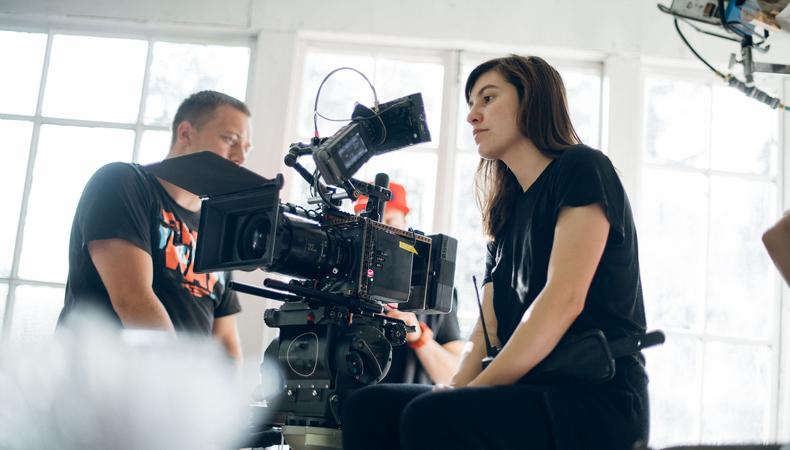
Description: Cinematographers, or directors of photography (DPs), shape a film’s visual style. They team up with the director to pick camera angles, set up lighting, and craft the overall look.
Examples:
- Roger Deakins (“Blade Runner 2049,” “1917”)
- Rachel Morrison (“Black Panther,” “Mudbound”)
- Emmanuel Lubezki (“Gravity,” “The Revenant”)
Growth potential: As the demand for high-quality visual content increases across various platforms, including streaming services and social media, the role of cinematographers is becoming ever-more important. The Bureau of Labor Statistics (BLS) projects a 7% growth rate for camera operators and cinematographers from 2022 to 2032, faster than the average rate of growth for all occupations.
2. Film editor
Description: Film editors are crucial in shaping the final narrative of a movie. They work with raw footage to create a cohesive story, with a focus on pacing, style, and rhythm. Arguably one of the most important jobs in the industry, the film editor must be as adept with editing programs as they are with narrative structure.
Examples:
- Thelma Schoonmaker (“Raging Bull,” “The Departed”)
- Walter Murch (“Apocalypse Now,” “The English Patient”)
- Sally Menke (“Pulp Fiction,” “Inglourious Basterds”)
Growth potential: With the rise of digital platforms and the increasing demand for video content, film editors are finding more opportunities beyond traditional cinema. The BLS lumps in editors with camera operators and DPs, with growth potential also around 7%.

DC Studio/Shutterstock
3. Production designer
Description: Production designers are the visual architects of a film—they craft the overall aesthetic concept that cements its style. Their responsibilities encompass set design, location styling, and prop selection, all working in harmony to create a cohesive world that supports the director’s vision. This ability to create captivating visual narratives remains crucial in an era where audience expectations for immersive viewing experiences are higher than ever.
Examples:
- Hannah Beachler (“Black Panther,” “Moonlight”)
- Sarah Greenwood (“Atonement,” “Sherlock Holmes”)
- Rick Carter (“Avatar,” “Jurassic Park”)
Growth potential: According to Zippia, production design will continue to enjoy its 3% growth until 2028. The BLS, which classifies this role within the broader category of set and exhibit designers, anticipates a 4% growth in employment for this group.
4. Visual effects (VFX) supervisor
Description: VFX supervisors oversee the creation and integration of computer-generated imagery (CGI) and other visual effects into films.
Examples:
- Joe Letteri (“Avatar,” “The Lord of the Rings” trilogy)
- Janelle Croshaw Ralla (“The Curious Case of Benjamin Button,” “John Wick: Chapter 4”)
- John Knoll (“Pirates of the Caribbean” series, “Rogue One: A Star Wars Story”)
Growth potential: Anyone who goes to the movies can see that CGI is here to stay. In fact, the demand for VFX professionals is expected to grow significantly. The BLS projects an 8% faster-than-average growth rate for special effects artists and animators from 2022 to 2032.
5. Sound designer
Description: Sound designers create and manipulate audio elements to enhance a film’s storytelling and atmosphere.
Examples:
- Ben Burtt (“Star Wars” series, “WALL-E”)
- Ren Klyce (“Fight Club,” “The Social Network”)
- Ai-Ling Lee (“Barbie,” “La La Land”)
Growth potential: As audiences demand higher-quality audio experiences, both in theaters and at home, the role of sound designers is becoming increasingly important. The BLS projects a 2% growth rate for sound engineering technicians from 2022 to 2032, on par with the average growth rate of all industries.
6. Costume designer
Description: Costume designers are responsible for creating and sourcing the clothing and accessories worn by actors in a film, helping to establish character and setting.
Examples:
- Colleen Atwood (“Chicago,” “Alice in Wonderland”)
- Ruth E. Carter (“Black Panther,” “Do the Right Thing”)
- Sandy Powell (“The Aviator,” ”The Favourite”)
Growth potential: The BLS groups costume designers under the greater umbrella of all other designers and anticipates a 4.6% growth rate for the profession.

Rawpixel.com/Shutterstock
7. Storyboard artist
Description: Storyboard artists create visual representations of scripts, helping directors and other team members visualize scenes before filming begins. An excellent option for fine artists who want to break into the film and TV industry, this role is particularly vital for animated storytelling.
Examples:
- Jane Wu (“The Avengers,” “Captain America: The First Avenger”)
- Gabriel Hardman (“Inception,” “Logan”)
- Martin Asbury (“Harry Potter and the Deathly Hallows: Part 1,” “Maleficent”)
Growth potential: The BLS reports that artists and animators will continue to enjoy an 8% growth over the next decade, though it is worth noting that these numbers are not specific to storyboard artists themselves.
8. Location manager
Description: Location managers are responsible for finding and securing suitable filming locations, as well as managing logistics and relationships with property owners.
Examples:
- Alison A. Taylor (“A Wrinkle in Time,” “Straight Outta Compton”)
- Mandi Dillin (“Westworld,” “The Revenant”)
- Caleb Duffy (“The Artist,” “Café Society”)
Growth potential: The BLS and Location Managers Guild do not seem to report job growth statistics for this role, but film industry numbers overall are trending upward.
9. Colorist
Description: Colorists work on the color grading of a film, enhancing and adjusting the visual tone to achieve the desired look and feel.
Examples:
- Stefan Sonnenfeld (“Man of Steel,” “Alice in Wonderland”)
- Jill Bogdanowicz (“Joker,” “The Grand Budapest Hotel”)
- Dave Hussey (“The Hunger Games: The Ballad of Songbirds & Snakes,” “The Fall Guy”)
Growth potential: The BLS lumps colorists in with other types of editors, so it, too, is projected to have a 7% growth rate.
10. Unit publicist
Description: Unit publicists manage the public image and media relations for a film production, coordinating interviews, press releases, and behind-the-scenes content.
Examples:
- Heidi Falconer (“Babylon,” “A Star Is Born”)
- Maxine Leonard (“Megalopolis,” “Dallas Buyers Club”)
- Tamar Teifeld (“The Hunger Games” series, “La La Land”)
Growth potential: The BLS reports that the role of publicist is expected to see a growth rate of 6% over the next several years. This growth is driven by the increasing complexity of the media landscape, the growing importance of marketing in a film’s success, and the rising focus on social media and digital marketing strategies.
11. Entertainment lawyer
Description: Entertainment lawyers specialize in legal matters within the film, television, music, and broader entertainment industry. They handle contracts, intellectual property rights, licensing agreements, and often negotiate deals on behalf of their clients.
Examples:
- Nina Shaw (reps Ava DuVernay and Lupita Nyong’o)
- Allen Grubman (reps Bruce Springsteen and Martha Stewart)
- Kevin Yorn (reps Ellen DeGeneres and Scarlett Johansson)
Growth potential: The BLS doesn’t have a specific category for entertainment lawyers, but they fall under the broader category of lawyers, which is projected to grow 8% from 2022 to 2032, faster than the average for all occupations. As the entertainment industry continues to expand and evolve, particularly with new media and streaming platforms, the demand for specialized legal expertise in this field is likely to remain strong.