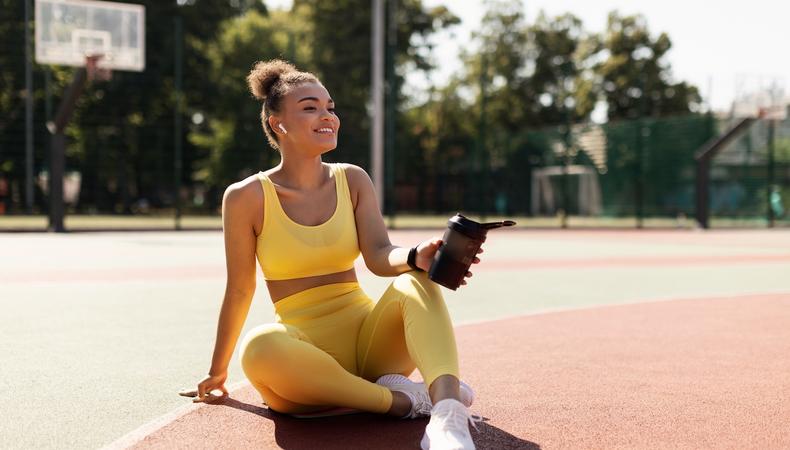
Behind every perfectly tailored “Bridgerton” costume and ad for Lululemon leggings lies the work of fit models, the unsung heroes who help designers create clothes that actually work on real bodies. If you’re trying to find out where you fit within the industry, keep reading for tips on how to break into fit modeling.
A fit model helps designers test out their clothing designs to see how they look on an actual human. Their role is much like being a live mannequin (albeit not as spooky as many horror movies would have you think).
Fashion designers generally create patterns on paper or a computer, but once the prototype is made in fabric, a fit model is used to test its wearability. How does it fit on the model? How does it move or feel? A fit model may also play a more active role by offering feedback and guidance about designs and how they, well, fit.
If you’ve bought any commercially designed clothes, you’ve benefited from the work of fit models. As with other types of modeling, fit modeling covers various categories based on body type and size, such as standard, fitness, or plus-size.
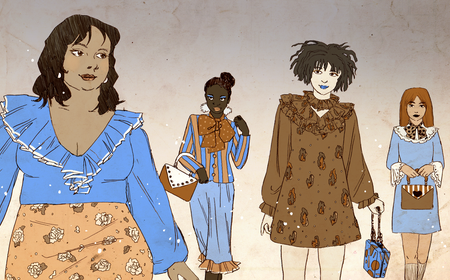 How to Become a Model
It’s about endurance: Many modeling roles require endurance and patience; this is especially true for fit models, who often need to stand still for extended periods of time as designers refine garments while they’re being modeled. For those with a low pain tolerance or a fear of needles, beware—designers use needles to pin fabric in place, which can sometimes lead to pricks.
Comfort is key: You may be asked to change quickly, to try styles that involve partial nudity, and to change in front of others, so it’s best to feel comfortable in your own (possibly naked) skin. You’ll also want to be comfortable moving or demonstrating exaggerated movement to help designers understand what is and isn’t working for the garment. Of course, if you ever feel vulnerable or like you’re in a compromising situation, don’t be afraid to speak up!
Design knowledge helps: Even though you aren’t designing garments yourself as a fit model, it’s generally a good idea to get to know the brands and designers, as well as what’s happening within the industry. This will allow you to give constructive feedback and help you understand the designer’s goals.
WPixz/Shutterstock
1. Know your measurements.
Fit modeling has more leeway than many other modeling niches when it comes to body measurements; garments are made in several different sizes, and different designers and manufacturers will likely have their own preferences for model sizes. Still, most fit models have “balanced, well-proportioned and symmetrical bodies with standard size measurements for their category,” according to Model Scouts.
2. Practice posing and being still.
As a fit model, you’ll be asked to hold your body in various poses, and more importantly, you’ll need to know how to stay still. It may seem easy, but just try not moving for a few minutes—it can feel a little excruciating being immobile. Practice standing still in different types of clothes to get used to various types of fabrics and fits.
In addition, while you may not be walking runways, you should practice walking or moving, as designers may ask to see how the garment moves and flows with your body. And if you’ve got a great catwalk, why not show it off?
3. Prepare your portfolio.
Your modeling portfolio should include headshots, full-body shots, and body measurements, plus a rundown of any fit modeling work you’ve done. Be sure your images demonstrate the way that multiple styles and categories of clothing fit on you.
4. Apply to gigs.
Find and apply to fit modeling gigs using our comprehensive model jobs database. You can also check with local designers, department stores, and modeling events to see if they’re looking for fit models.
5. Land representation.
The number one rule of breaking into this niche, according to fit model Charlotte Reardon, is to “get signed.” “There’s no way you can be successful in the fit world if you don’t have an agency,” she told us. While signing with any agency should open you up to more work, those with a focus on fit modeling will have the insider knowledge necessary to get your body in front of major brands.
- Bicoastal Mgmt: With offices in L.A. and NYC, Bicoastal Mgmt caters to a variety of modeling niches, including fit modeling—and you know you’ll get great representation because the company was founded by former fit model Malissa Young. The agency also provides training and guidance to help models navigate fit modeling and understand fashion design standards and lingo.
- Luxe Fit Model: Founded by veteran fit model Katie Nicholes, Luxe specializes in fit and parts modeling. The agency offers talent the opportunity to learn about the design industry and ways to be invaluable to a design team’s garment-fitting process.
- MDT Agency: MDT is a San Francisco- and L.A.-based agency with a fit modeling department and big-name clients including Gap, Levi Strauss & Co., Old Navy, and Banana Republic.
- Heritage Fit Models: Self-described as “fashion’s matchmakers,” this NYC-based agency only offers representation for fit modeling—making it a great bet if you’re really looking to break into the niche. It works with a wide range of apparel types and brands, including wedding apparel with David’s Bridal, luxury with Michael Kors and Ralph Lauren, and contemporary with Kate Spade.