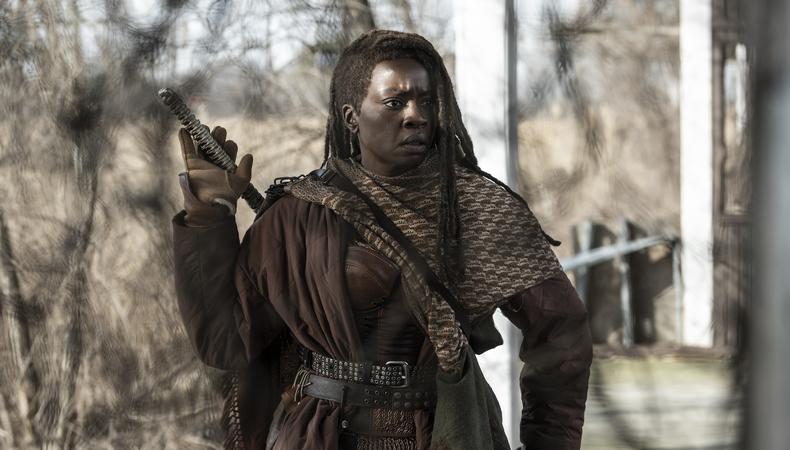
Much like the zombies in “The Walking Dead,” AMC continues to reanimate the franchise, with multiple spinoffs keeping the world of the undead alive. As fans ready themselves for the Feb. 25 debut of the latest series, “The Walking Dead: The Ones Who Live,” actors are once again hopeful this new iteration might afford them the opportunity to get in on the action.
In this guide, you’ll learn everything you need to know about “The Walking Dead: The Ones Who Live” casting process, including what its CD wants to see and audition tips from its top talent.
JUMP TO
- What is “The Walking Dead: The Ones Who Live” about?
- Who is in the cast of “The Walking Dead: The Ones Who Live”?
- Who is the casting director for “The Walking Dead: The Ones Who Live”?
- How does the casting process work for “The Walking Dead: The Ones Who Live”?
- Where can you find “The Walking Dead: The Ones Who Live” casting calls and auditions?
- What are the best audition tips for landing a role on “The Walking Dead: The Ones Who Live”?
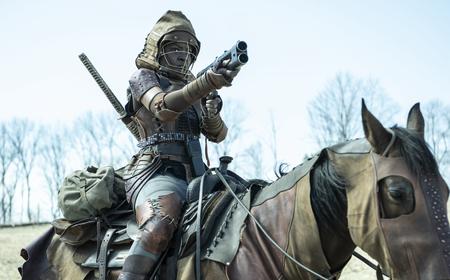
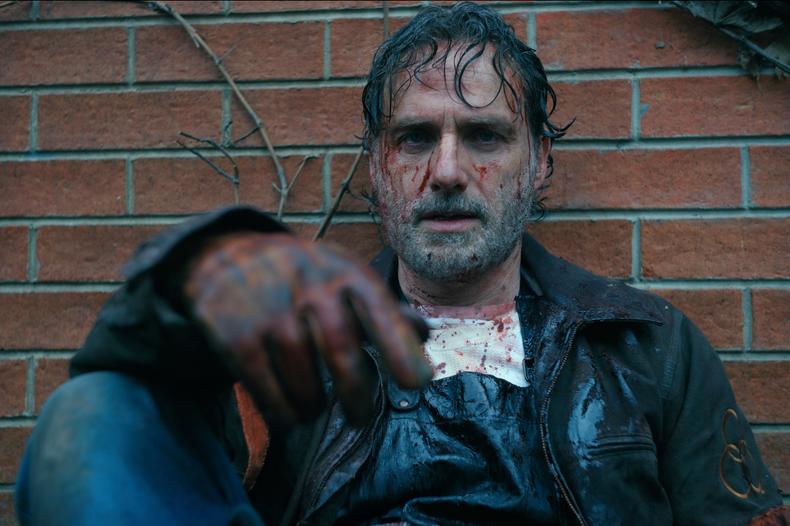
“The Ones Who Live” will see Rick Grimes and Michonne Hawthorne of the original “The Walking Dead” series reunite, further exploring their poignant love story, which captured viewers’ hearts during the original series’ run. Fans will recall that Michonne believed Rick died in Season 9 after he blew up a bridge to save his family. But as the spinoff’s teaser trailer reveals, Michonne discovers Rick is alive, allowing the story to explore how love in the time of post-apocalyptic disaster will shape these characters’ destinies.
AMC’s latest installment in the “Walking Dead” saga features franchise veterans and newcomers:
- Danai Gurira as Michonne Hawthorne
- Andrew Lincoln as Rick Grimes
- Terry O'Quinn as Major General Beal
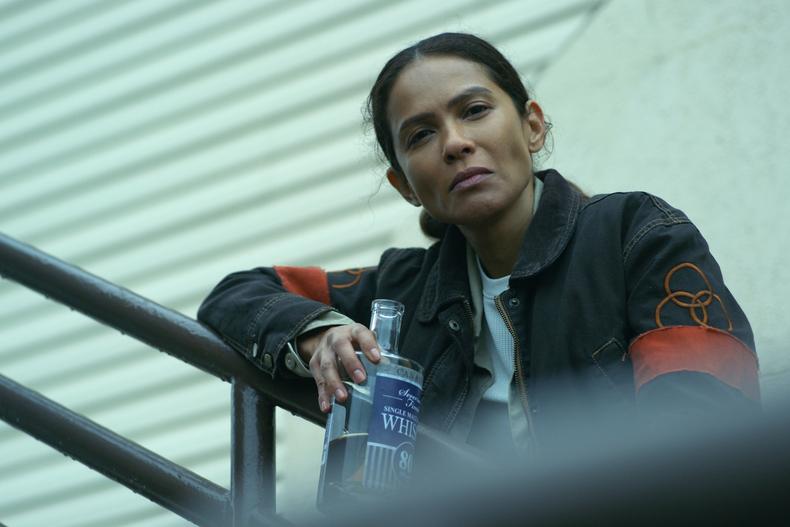
- Lesley-Ann Brandt as Thorne
- Andrew Bachelor as Bailey
- Craig Tate as Donald Okafor
- Matthew Jeffers as Nat
- Breeda Wool as Aiden
Gohar Gazazyan of Bialy/Thomas & Associates—a veteran of the “Walking Dead” franchise—served as the casting director for “The Ones Who Live” Season 1. She previously worked on “The Walking Dead” and “Fear the Walking Dead,” as well as other hit series, including “Gotham” and “Halt and Catch Fire.”
Gazazyan told us that there are numerous elements that factor into the casting process, so actors should simply focus on making a great first impression. It may not pay off immediately, but it could pay dividends down the road. “Even if you don’t book, but you keep getting called back, that’s you knowing that you’re doing something right,” she noted. “We’ve read so many actors, and they’re fantastic, but we can’t book them at that moment, and one day it just clicks.”
As Gazazyan explained, “It’s rare to have producers and directors in the room; oftentimes, it’s just us and the actors.” But that’s a plus “because it creates a more relaxed environment.”
To extend that comfort, Gazazyan encourages multiple takes to ease the given actor’s nerves. “We definitely like to give direction. We usually do more than one take and give them notes based on our conversations, and just give them an opportunity to do their best work,” she shared, adding that multiple takes can help the actor settle in so she and her team can see a more accurate representation of their talents.
When it came to casting Danai Gurira as Michonne Hawthorne in the original “The Walking Dead” series, comic creator and executive producer Robert Kirkman told the Hollywood Reporter that Gurira brought “the power and strength” needed to successfully take the character from page to screen. “Michonne is a very complex character who’s dealing with a lot of things and has a very intricate personality. There’s a lot to that role, and Danai, more than any other actress, showed us that she could exhibit that strength and show what an intense character she could be and, at the same time, have that emotional core and be able to show a vulnerability to a certain extent that we don’t see much of but is definitely there,” he explained. “She really was the whole package, and I think she’s going to do a really good job.”
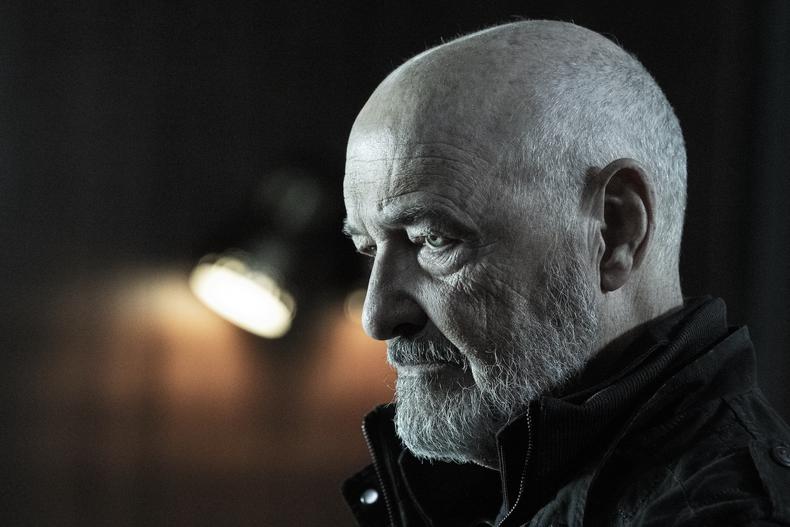
Terry O’Quinn, on the other hand, is new to the franchise—so much so that he’d never watched the show prior to getting this opportunity. “I was informed that somebody was interested in me playing this character, and then I talked with [showrunner] Scott Gimple, and I said, ‘Tell me about him.’ And I had to say I didn't watch ‘The Walking Dead,’ but I heard all about it, and I know that there were a lot of really avid fans,” the actor told Entertainment Weekly.
“So I talked to several people without giving them any particulars because I didn't really know particulars. And they all said, ‘Oh my God, you're kidding. You're so lucky. Yeah, go on it! Absolutely!’ And so I thought, well, alright, that sounds good. And so I talked with [Gimple], and we had a long conversation where he told me plenty about ‘The Walking Dead’ and about the history,” O’Quinn added. “And so based basically on that talk with him, I said, ‘Sure, I would love to do it.’ So here we are.”
There’s no word on whether “The Ones Who Live” will return for a second season. As it stands, the six-part series was originally slated to be a feature-length film, which would tie up any loose ends in Rick and Michonne’s storyline, according to Deadline. Yet while this incarnation was never intended to move beyond its current premise, when it comes to expanding “The Walking Dead” universe even further, showrunner Scott Gimple told the outlet, “Anything is possible.”
In the meantime, check out our guide on how to get cast on “The Walking Dead: Dead City,” another spinoff, or peruse these horror-inspired gigs that are casting right now.
Adopt a positive mindset: Gazazyan understands auditioning can feel discouraging at times, but if actors simply tweak their mindset slightly, they are sure to have a more positive experience—even in the face of rejection. “If you think about auditioning as a job interview and if you’re concerned about getting that job, that’s not the way you should think about it,” Gazazyan said. “[Actors] should reframe it as an opportunity to do what you love: to go and act—and meet casting directors.”
Gazazyan believes that this shift reduces anxiety in the audition room by empowering actors to focus on what they love about the craft. “It’s not about booking that job but being a standout in the room to the casting director,” she noted. And if you are eager for further insight into the casting process, Gazazyan suggests becoming a reader, as it affords actors the chance to see what works and what doesn’t when it comes to someone’s performance, thereby shedding light on how they should approach their own auditions.
Develop a thick skin: For Brandt, there was no fallback option: She moved to Hollywood, and even though she knew it would be difficult, she opted to take those struggles in stride. “It’s really important to remember that Hollywood is not a meritocracy. What’s really important is to get a thick skin; you’re going to hear more ‘no’ than ‘yes.’ Remember that surrounding yourself with people who understand your vision is so important,” she told us. “…There was no plan B for me. Plan A was you work and work in Hollywood, and plan B was you work and work in Hollywood.”
And it was never more evident than during one of Brandt’s earliest auditions. “I remember going into an audition and I was fumbling the papers,” she explained. “I had a nervous tic where my legs would shiver and shake and I had to hit it to stop it. I went into the room, fumbling papers, and saying, ‘I’m so sorry I don’t usually work with sides.’ It was a group of 10 producers, mostly men, and one of them said, ‘You’re not in New Zealand now, thank you very much.’ But I’m so grateful to him. I walked back, I didn’t cry, and I said, ‘Yeah, I’m with the big boys now; this is Hollywood.’ It was a wonderful lesson, as harsh as it was in the moment.”
Give it everything you’ve got: After a number of failed auditions, Gurira learned that actors have little control in the audition room. That’s why they must put forth their best effort every time. “You don't know how things will go in the room regardless of how well you've prepared. It's just this unknown entity you're stepping into. You can only do the best that you can and kind of let it go at the end and know that you gave it all you could give,” she told us.
“Just to prepare to the utmost level that we could have and really set goals and priorities for ourselves and for our craft when we walk in that room so that we walk out still in ownership of our choices and who we are regardless of the outcome,” she continued. “It is a process where you just keep going. You get 2 to 5 percent of what you audition for…and that's people who made it somewhere. Those are people whose names you might know.”
But she also noted that actors must look within themselves to ensure they are pursuing this craft for the right reasons, as it’s not easy. “Be sure this is what you really want to do. There are a lot of people who are starting out [basing it] on things other than really loving the craft,” Gurira explained. “If you don't love the craft, you're probably in it for the wrong reason. And there are a lot of folks like that. So be sure this is what you really want to do.”