Whether your channel is a lifestyle vlog like Emma Chamberlain, covers trick-shot stunt madness like Dude Perfect, or shares health expertise like the Huberman Lab, a verification check establishes a symbol of credibility. That gray check mark helps protect against content theft, establishes you as a trusted source to brands and followers, and signals quality content. Here’s how to get one and why it matters.
JUMP TO
There are two types of verifications on YouTube: account verification and channel verification.
Account verification: This is the typical authentication for getting started and creating a channel. It entails a simple phone number verification, which unlocks basic features such as longer uploads, custom thumbnails, and the ability to livestream. There are no subscriber count eligibility requirements. Anyone with a YouTube channel can verify their account by simply going to the platform’s verification page.
Channel verification: This is what will get you the coveted gray check mark next to your channel’s name. It signals to viewers that the channel is authentically connected to a brand, creator, or public figure. That gray check is a symbol of credibility that only eligible channels can acquire.
Official Artist Badge: YouTube also has an Official Artist Badge that is primarily used for musicians to link all their content under one verified artist profile. It allows artists to make copyright claims more easily without needing to reach the 100,000 subscriber threshold required for channel verification.
To qualify for an Artist Badge, you must:
- Represent a single artist or band
- Have at least one official music video on YouTube that’s been distributed by a recognized music distributor or label
- Meet at least one of the following criteria:
-Work with a YouTube Partner Manager or be part of a label network that does
-Participate in the YouTube Partner Program
-Have your music distributed by an official YouTube music partner listed in the YouTube Services Directory for Music Partners
For the rest of this article, we will focus on how to get channel verification on YouTube.
PJ McDonnell/Shutterstock
Channel verification allows account holders to:
- Protect against impersonators: Channel verification is designed to establish your channel as the original and authentic source of your content. This is incredibly important as your channel begins to grow. Becoming famous on YouTube means there will be opportunities to impersonate you or plagiarize your work. Getting the verification stamp from the get-go may save you time, money, and major headaches down the road.
- Establish credibility and trust: The verification badge visually proves that your channel represents who it says it represents. As viewers begin to trust a channel as a primary source for new content, they become repeat visitors. In the end, if YouTube is your career, the more viewers and subscribers you get, the more money you will be able to make through your content and online presence.
- Help their channel stand out: Viewers may be drawn toward verified channels, making them more likely to watch your content over others without a check—and possibly subscribe to your channel. After all, when trying to grow in the landscape of YouTube, anything helps.
Not everyone can get their channel verified. YouTube sets a few requirements that it takes into consideration when processing a channel verification application. These include:
- At least 100,000 subscribers: Most channels seeking the gray check mark will need at least 100,000 subscribers. This shows YouTube that you are committed to growing your channel and creating valuable content. If you’ve yet to hit this milestone, first work on growing your subscriber base on YouTube.
There are exceptions to this requirement. If a creator has an established following outside of YouTube, such as on Instagram or TikTok, and they are starting on YouTube, they may be able to get channel verification without the 100,000-subscriber count.
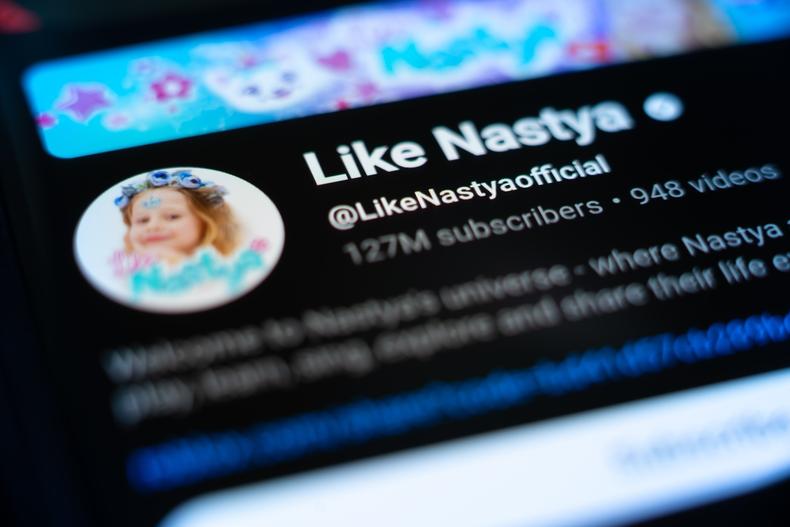
But they will have to provide proof of their following outside of the platform. Other public figures, such as actors, comedians, or politicians, may also get their channel verified without 100,000 subscribers if they prove their legitimate connection to the channel. - Notoriety: According to YouTube’s blog, the platform also considers the following questions when granting channel verification: “Does this channel represent a well-known or highly searched creator, artist, public figure, or company? Is this channel widely recognized outside of YouTube and has a strong presence online? Is this a popular channel that has a very similar name to many other channels?”
For example, Oscar-winning actor Leonardo DiCaprio has a verified YouTube channel with only 20,000 subscribers. The channel primarily posts content relevant to the actor’s environmentalism efforts, but the verification check legitimizes its connection to the celebrity. - Authenticity: In order to grant channel verification, the platform will also determine a channel’s authenticity. What defines authenticity? According to the YouTube blog, “Your channel must represent the real creator, brand, or entity you’re claiming to be. We’ll look at a variety of factors to help verify your identity, and may also ask for additional info or documentation.”
- A complete and active profile: YouTube will also take into consideration how active your channel is and how complete you’ve made it. Complete simply entails making your channel public, having a channel description, a channel icon, and content, and being active on YouTube.
gguy/Shutterstock
Just like joining the YouTube Partner Program, getting verified on YouTube is a process. Once you’ve met the eligibility requirements, you can complete the application for channel verification on YouTube.
1. Visit YouTube’s official verification application.
The verification application will be available once you reach 100,000 subscribers. If you do not meet the subscriber requirement, the application link will redirect you to a YouTube help page that advises to revisit after meeting the YouTube subscriber requirement. If you’ve just hit the subscriber count and don’t see the application, it may take a day or two to become available.
2. Fill out the form.
Provide your channel name and channel ID. Your channel ID can be found under Settings → Advanced Settings in YouTube Studio. Here you will find your channel ID as long as you are signed in as the channel’s primary owner.
3. Wait for YouTube to review your application.
YouTube processes each application manually. The review can take anywhere from a few days to a few weeks. Keep an eye out for any contact from YouTube, as the company may request further documentation to confirm identity or other information.
4. Maintain your verification
If YouTube grants you your gray check mark, you will still have to maintain certain standards to keep it. Do not violate YouTube’s Terms of Service or Community Guidelines; it goes without saying that this will strip you of the badge.
Also, keep in mind that if you ever change your channel name, you will have to reapply for channel verification again.
If YouTube rejects your application for channel verification, it will likely give you some feedback as to why. Take that feedback, build on it, and reapply. This may be due to a subscriber count, a lack of an established presence outside of YouTube, inconsistent uploading on your channel, and so on.
It’s important to note that many creators have encountered hurdles in the process, facing rejections even after building on feedback. PR specialist Nikolas Lemmel from Maximatic Media, a boutique PR and social media branding firm, emphasizes that creators often misunderstand what verification is actually based on.
“A lot of creators and influencers think that the only real requirement is to have a large audience,” Lemmel explains. “However, by far the biggest factor is how publicized the creator is off the platform.”
What YouTube is really looking for is proof of notability across the internet:
- Consistent handles/usernames across platforms
- Press coverage from reputable publications (not small or low-authority blogs)
- A recognizable public identity that can be independently verified
Lemmel notes that “so long as you can present at least six articles across publications with domain authority scores of 80 and above, there is a very good chance that your petition to be verified will be approved.” Creators with large audiences but no credible press are often rejected, while creators with smaller followings but strong public documentation are more likely to get approved.
So if your application is rejected, it’s not the final decision. Take it as feedback. Strengthen your digital footprint, secure press where possible, ensure your branding is consistent, then reapply.