Lego lets fans pitch its next sets and vote on one another’s designs through Lego Ideas. Lululemon rallied customers to post photos of themselves in its gear using the hashtag #thesweatlife, and Calvin Klein built an entire web hub around shoppers’ #MyCalvins posts. These brands have proved that user-generated content (UGC) builds trust and drives serious revenue, and plenty of others have followed their lead. Here, we explore five more UGC campaigns that crushed it for brands across different industries.
User-generated content works because it closes the trust gap. In a world saturated with polished ads and constant sales pitches, consumers crave authenticity. UGC delivers that by putting real people at the center of the story. And the data backs it up:
- 88% of consumers trust recommendations from people they know more than any other marketing channel, according to a 2021 Nielsen report.
- Social posts featuring UGC drove over 10 times higher conversion rates than posts without it in the third quarter of 2025, per Emplifi.
- 86% of shoppers engage with creator content before making a buying decision, according to Bazaarvoice’s 2024 Shopper Experience Index.
Beyond trust, UGC offers unmatched reach and cost efficiency. A single viral post can reach audiences a standard ad buy could never hope to, and it requires no additional media spend. Because UGC is inherently platform-native (think: TikTok testimonials and Instagram reviews), it also tends to blend into algorithmic feeds more naturally than polished creative or branded content does.
It also gives your product or service a chance to go truly, organically viral, positioning your brand at the center of the cultural zeitgeist and turning everyday customers into brand ambassadors.
UGC spans multiple formats, each with distinct strengths. Here’s a breakdown of the most common types:
1. Social media posts and customer photos: A customer tags your brand or shares a photo using your product. These organic posts extend reach for free and can be repurposed across channels. ASOS’s #AsSeenOnMe campaign, for example, launched in 2014 and grew into an on-site gallery of more than a million customer photos, letting shoppers see clothes on real bodies. This style of campaign is especially effective for brands trying to convert online shoppers into long-term customers, since the gallery lets users visualize how products will look on them based on how they appear on people of similar shapes and sizes.
2. UGC videos and video testimonials: Short-form video is where UGC shines. From TikTok unboxings to skincare routine clips, UGC videos show products in action in a way static images can’t. GoPro’s YouTube channel runs largely on footage from real users. Nothing could sell a product like a GoPro better than a series of videos showing exactly how it works and the inspiring ways everyday users put it to the test. (More on GoPro below.)
3. Customer testimonials and reviews: Written reviews and ratings are the backbone of UGC. They provide social proof at the point of purchase and improve SEO visibility. Think of how Amazon displays photo and video reviews on product pages, helping shoppers answer real-world questions before they buy and creating a robust user experience for any seller on the platform. Research from Northwestern University’s Spiegel Research Center found that products with five reviews are 270% more likely to be purchased than those with none.
4. Contests and challenges: Branded contests encourage participation and generate a concentrated surge of content. A recent example is Doritos’ Crash the Super Bowl contest, which the chip brand revived in 2024 after an eight-year break, inviting fans to make their own 30-second commercials for a shot at airing during Super Bowl LIX. The contest was particularly effective because it encouraged fans to flex their filmmaking chops while promoting the Doritos brand. (More on this one below.)
5. Employee- and founder-generated content: Behind-the-scenes clips from staff or founders humanize the brand and build transparency. Trader Joe’s “Inside Trader Joe’s” podcast, for example, is hosted by company marketing executives Tara Miller and Matt Sloan, who take listeners into the grocery chain’s test kitchen and chat with crew members about its products and culture.
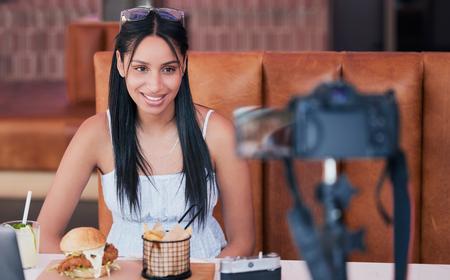
6. Paid UGC (creator-generated content): Brands commission creators to produce content that mimics authentic customer testimonials while following a brand brief.
Brands can source UGC through both organic and paid channels, but the best strategies blend the two.
Organic UGC
- Branded hashtags: Encourage customers to tag posts with a unique hashtag.
- Community features: Highlight customer content on your website, social feeds, or in-store displays to incentivize additional submissions.
- Email and SMS follow-ups: Automate post-purchase requests for reviews, photos, or videos.
- Product packaging and inserts: Include QR codes or calls to action asking customers to share photos or reviews.
Paid UGC
- Creator marketplaces: Platforms like our UGC marketplace let brands post briefs and hire vetted UGC creators for licensed, ready-to-publish content.
- Influencer partnerships: Work with micro- or nano-influencers to produce UGC-style assets that feel authentic but come with usage rights.
- UGC agencies: Specialized agencies manage end-to-end UGC campaigns, from creator sourcing to performance optimization.
1. GoPro: #GoProAwards (YouTube + Instagram + TikTok)
GoPro built much of its content engine on UGC. Launched in October 2015, the GoPro Awards program rewards users who submit their best photos and videos with cash prizes and features on GoPro’s global channels, and within its first year, the company had paid out more than $1 million to its creator community. The program runs year-round, with daily photo challenges and product-specific contests. GoPro’s three most popular YouTube videos, all originally filmed by customers, have amassed hundreds of millions of views. The awards generate a steady stream of high-quality, adrenaline-fueled content that showcases the product’s capabilities better than any studio shoot could.
2. E.L.F. Cosmetics: #EyesLipsFace (TikTok)
In late 2019, E.L.F. launched the #EyesLipsFace challenge on TikTok, inviting users to post short videos of their makeup looks set to an original track that spelled out what the brand’s initials stand for. By the company’s account, it was the first brand to create an original song for a TikTok challenge, and the campaign leaned into the platform’s native format: fast-paced, music-driven, and highly shareable. According to E.L.F. and its agency, Movers+Shakers, the challenge drew 5 million user-created videos and 7 billion views, making it the most viral campaign in TikTok U.S. history at the time. The song climbed to No. 4 on Spotify’s global chart, and over the course of #EyesLipsFace and its follow-up TikTok campaigns, E.L.F. rose from No. 8 to No. 2 among teens’ favorite beauty brands in Piper Sandler’s semiannual survey.
3. Doritos: Crash the Super Bowl (DoritosCrash.com + social media + Super Bowl LIX broadcast)
From 2006 to 2016, Doritos let fans make some of its commercials. Those homemade spots landed in the USA Today Ad Meter’s top five every year, topping the list four times. In September 2024, the chip brand revived the contest, offering $1 million and an all-expenses-paid trip to Super Bowl LIX for the best fan-made 30-second ad. To recruit entrants, Doritos reached out to indie filmmakers, film students, and influencer networks. More than 2,000 entries poured in. A panel of judges narrowed the field to 25 semifinalists and then three finalists, and fans voted for the winner: “Abduction,” an alien-themed spot from co-directors Dylan Bradshaw and Nate Norell, which aired during the Feb. 9, 2025, game. Doritos senior marketing director James Wade told Marketing Brew the contest is relatively inexpensive to run, since the brand supplies a toolkit of music and brand assets and leaves production to participants.
4. Peelz Citrus: #PeelzPartner (TikTok + Instagram)
Peelz Citrus partnered with influencer marketing agency the Shelf to reposition mandarins from wholesome kid snack to bold, modern treat for adults. From November 2023 through May 2024, the Shelf enlisted 28 creators, from micro- to mega-influencers, choosing them for creative fit over follower count. Those creators produced 113 posts—45% more than planned—across TikTok and Instagram, built around three creative themes: bold visuals, humor-driven bits, and out-of-the-box experimentation. The campaign delivered 41.1 million impressions and 1.7 million engagements. Instagram Stories proved the breakout format, earning engagement rates about 2.5 times the typical rate. And when the brand put ad dollars behind its best-performing creator posts, it paid about 30% less than the industry average to reach every thousand viewers.
5. Nike Melbourne Marathon Festival (Instagram + TikTok + Meta ads)
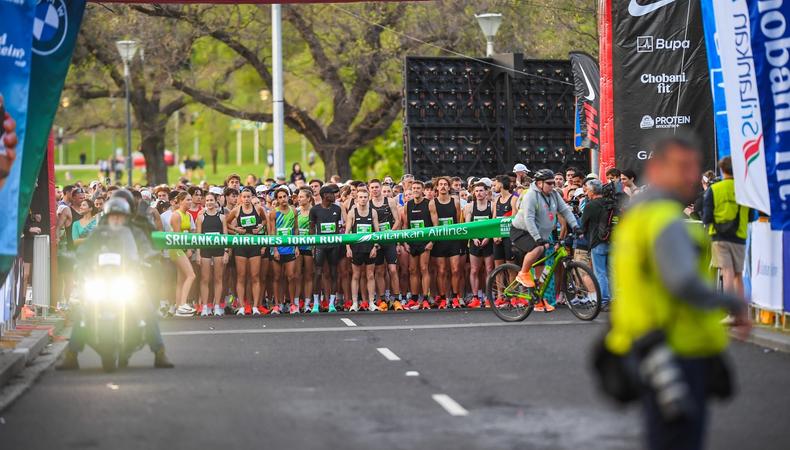
The Nike Melbourne Marathon has never struggled to fill its marathon, but its shorter races—10K, 5K, and 3K—were a tougher sell. For the 2023 event, organizers worked with UGC agency Sticki and its sister agency, DataSauce, to recruit creators who would share what it feels like to train for the race and cross the finish line at the Melbourne Cricket Ground. The creators’ content ran both organically and as Meta ads, and the messaging evolved as race day approached: Early posts built excitement and a sense of community, while later ones stressed that spots were running out. The result: For the first time, all five races sold out, with more than 40,000 tickets purchased and 17,500 runners left on the waitlist. Every dollar spent on Meta ads brought in about $14.92 in ticket revenue—nearly triple the agency’s target—and sign-ups jumped 66% year over year at 28% lower cost.
What these UGC campaigns have in common
Across these five campaigns, a few key patterns stand out. The most effective brands:
- Treat UGC as an ongoing system. GoPro’s always-on awards and Peelz’s seven-month creator rollout show the value of a steady pipeline, so plan to test, refine, and scale instead of chasing a single viral post.
- Prioritize creator fit over sheer reach. Peelz chose its creators for personality and creative fit, and its humor-driven posts became some of the campaign’s strongest performers.
- Adapt content to each platform. E.L.F. built its challenge around TikTok’s music-first culture, and the Melbourne marathon leaned on Reels and TikToks designed to feel like runners’ own stories.
- Amplify what the audience validates. Peelz and the Melbourne marathon put paid media behind organic posts that had already connected with viewers.
- Keep participation simple. A catchy song, a 30-second ad brief, or a single hashtag makes it easy for people to jump in, and visible rewards keep them coming back.