It may be folly to create a list of great directors, since this is such a collaborative medium. We’re steeped in auteur theory now, and perhaps that’s unfair to all who contribute to bringing an idea to screen. However, it’s impossible not to recognize that there exist directors who have shaped the landscape with their unique perspectives, and even a list of 20 feels like a fraction of the artists who have left their mark on the art form. Furthermore, when we consider the sexism and racism of the medium’s history, we’re left to wonder how many more women and people of color could have contributed had they had the same opportunities as white men.
Therefore, any list of great directors will be inherently incomplete, but we can at least use it as a starting point on a journey across world cinema. I’ve endeavored to include names who had a lasting impact while not remaining too cloistered to any one area of the globe. Cinema belongs to the world, not any one country or time. These luminaries have not only affected film but also our understanding of humanity.
A quick note: The directors are listed in alphabetical order by first name because ranking artists against each other—especially those who had to work under completely different circumstances—makes little sense.
Agnès Varda
While speaking at a Telluride Film Festival panel, Martin Scorsese once referred to Varda as “one of the gods,” and it’s tough to argue with that assessment. We could probably include any of the major French New Wave directors on this list (although she slightly predates the Cahiers du Cinéma crowd), but Varda stands out not only for being a woman in a male-dominated profession, but for stories that skillfully danced on a line between the playful and the profound. This was always true, whether it was her groundbreaking narrative features like “Cleo From 5 to 7” and “Vagabond” or her astounding documentaries like “Black Panthers” and “The Gleaners and I.” Through seven decades, Varda continued to push herself and explore new cinematic avenues without ever losing her sense of wonder.
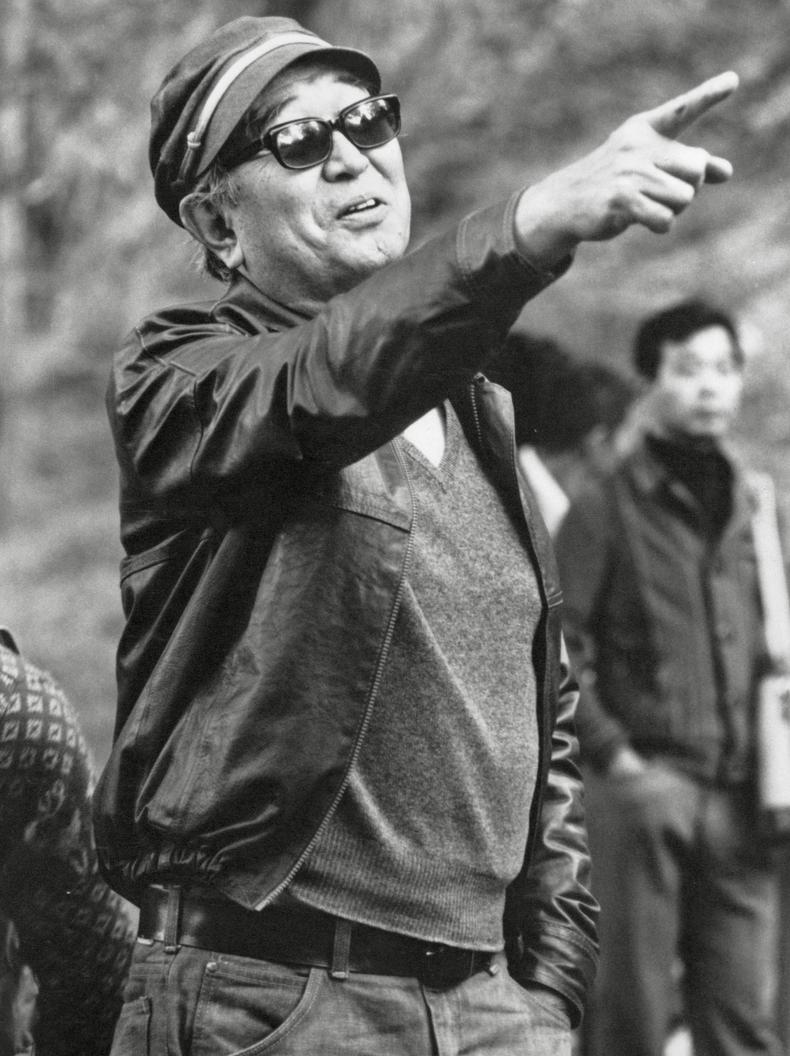 Akira Kurosawa
If Kurosawa had only made “Seven Samurai,” arguably the most influential action film ever created, it would likely warrant his inclusion on this list. But Kurosawa easily moved through genres and periods without ever losing his deep sense of humanity conveyed through astounding craftsmanship. Even his earlier works such as “No Regrets for Our Youth” and “One Wonderful Day” are worth seeing, not to mention his towering achievements such as “Ikiru,” “High and Low,” “Rashomon,” “Throne of Blood,” and “Ran.” His films perfectly threaded the needle of what it meant to act honorably in a world filled with dishonor, sometimes coming to paradoxical and ambiguous conclusions.
Alfred Hitchcock
“The Master of Suspense” only started to get his artistic due later in his career. He was certainly a “name” as a popcorn filmmaker, thanks to hits like “North by Northwest” and “Psycho,” as well as his anthology series “Alfred Hitchcock Presents.” But it was later critics, particularly those immersed in the 1960s French New Wave, who noted the boundary-breaking skills that Hitchcock was using to turn thrillers like “Rear Window” and “Vertigo” into psychosexual explorations. (In his book “Hitchcock,” French director François Truffaut recalled American journalists asking him, “Why do the critics of Cahiers du Cinéma take Hitchcock so seriously? He’s rich and successful, but his movies have no substance.”) Even these late-era masterpieces arrived after a career filled with studio system hits like “Rebecca,” “Suspicion,” and “Notorious.” Yes, Hitchcock was a master of suspense, but he mastered much more than a single genre or emotion.
Andrei Tarkovsky
Despite dying at the relatively early age of 54, Soviet filmmaker Tarkovsky had a profound effect on world cinema, challenging audiences with his slow, methodical work on metaphysical themes. While he wasn’t interested in the propulsive plots one would see coming out of Hollywood, you can’t help but be transfixed, whether it’s the science fiction films “Solaris” and “Stalker” or his period dramas such as “Andrei Rublev” and “Nostalghia.”
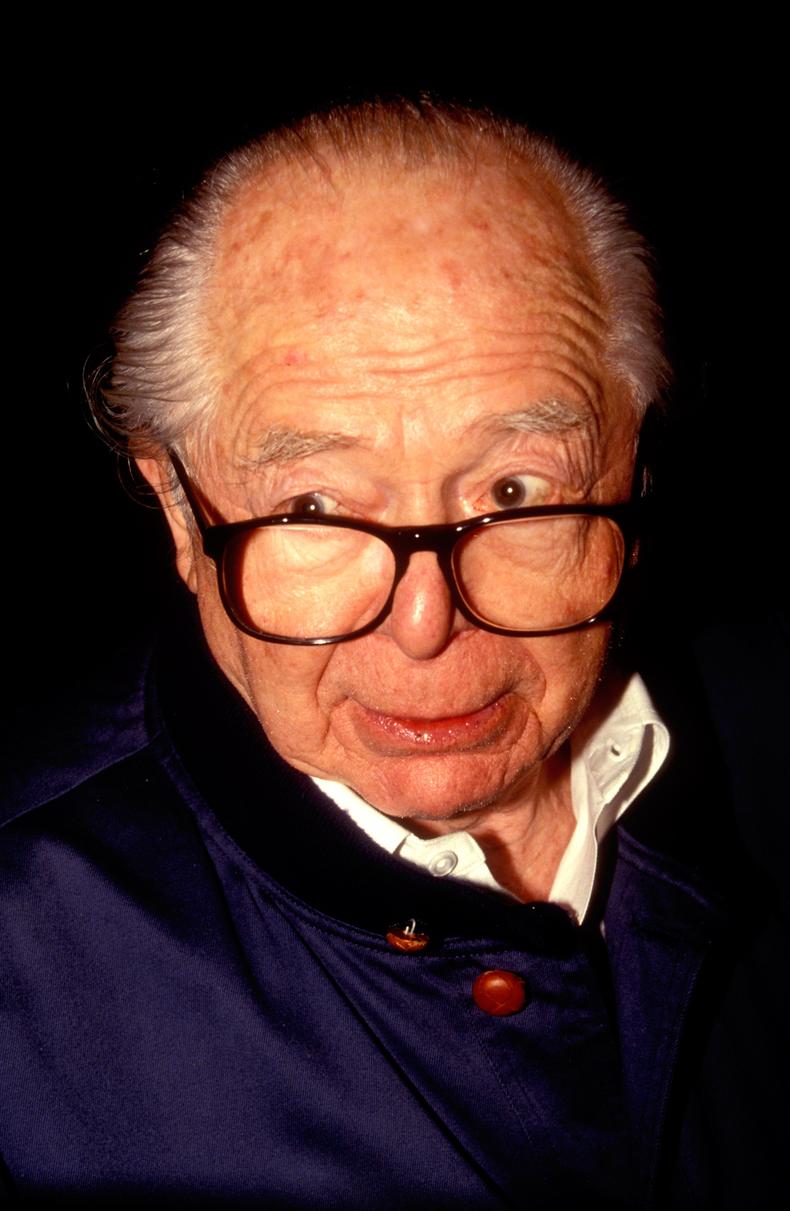 Billy Wilder
A giant of the studio system, Billy Wilder may be among its most “modern” members, dancing between genres to create some of their most towering achievements. Few directors have so many essential films to their credit, and yet Wilder made one of the greatest film noirs (“Double Indemnity”), greatest comedies (“Some Like It Hot”), and greatest dramedies (“The Apartment”) of all time. That still only scratches the surface of a career that includes other classics like “Sunset Boulevard,” “Sabrina,” and “Ace in the Hole.” What made these movies shine so much is how Wilder could tap into the flawed humanity of his characters and make them feel alive rather than ever needing to claw for pathos or a laugh.
Bong Joon-ho
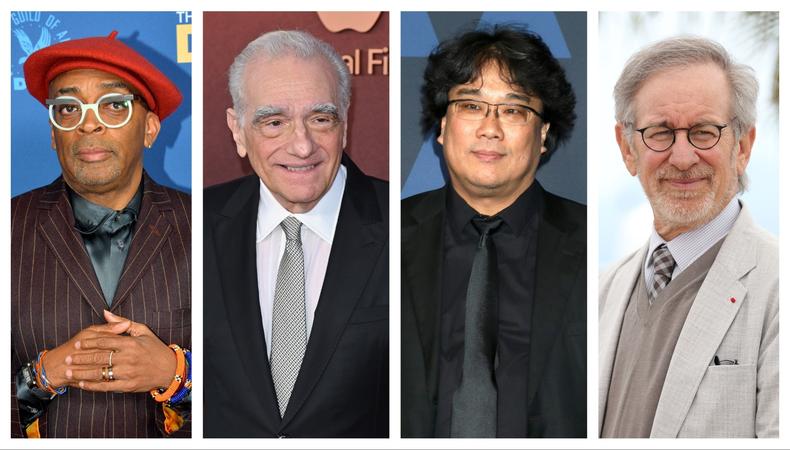
South Korean auteur Bong Joon-ho has managed to find a worldwide audience thanks to his keen insights about modern capitalism. In addition to making one of the best films of the 21st century with the Oscar-winning “Parasite,” the filmmaker relishes his dark comedy with a satiric edge that cuts to the bone in titles like “The Host,” “Snowpiercer,” and “Okja.” Bong has made a name for himself not by trying to make the biggest movies, but knowing how to discomfort the audience without talking down to them.
Chantal Akerman
Belgian director Akerman, even after her death, continues to change cinema, creating an awareness of onscreen feminism and breaking apart narrow confines of what that can be. Her 1975 film, “Jeanne Dielman, 23, quai du Commerce, 1080 Bruxelles,” is a stunning piece that entrances not through overt stylizations, but through slow, methodical reveals and unexpected tensions. On paper, her movies should be deemed unworkable for how we expect cinema to capture reality, and yet her choices manage to lure us in and make us sit with her characters in a way that accentuates the reality of time.
David Lean
When you think of “epic” filmmaking, it’s fair to think first of Lean. As cinema began to broaden its scope as a way to pull audiences away from television, Lean drew them in with stunning stories that took audiences through history and across the globe, including “The Bridge on the River Kwai,” “Lawrence of Arabia,” and “Doctor Zhivago.” And while these are all astounding projects that in some way presage the modern blockbuster, Lean could also go much smaller, like with his incredible romantic drama “Brief Encounter.” The size of the canvas could change, but Lean’s unwavering commitment to characters never did.
Federico Fellini
Most auteur directors put a part of themselves onscreen, but few invite us into their minds and hearts quite like Italian filmmaker Fellini. Although his films relish the Italian cities and rural communities his characters inhabit, the autobiographical never feels particularly far away from Fellini’s camera. More importantly, Fellini bares all, reveling in his insecurities and contradictions to show us the fullness of his (and our) humanity, whether it’s a director struggling with work and women in “8½,” the coming-of-age drama “I Vitelloni,” or the class conflict simmering beneath the gaudy parties of “La Dolce Vita.” No other filmmaker can make the joyous and the anxious sit side-by-side quite like Fellini.
Fritz Lang
Lang’s influence is so vast that his credit for creating the first full-length science fiction film, 1927’s “Metropolis,” is only part of his stunning filmography. The Austrian filmmaker created some of the finest European movies of the era, including “M” and “Dr. Mabuse the Gambler,” before fleeing the Nazis and coming to America to craft some of Hollywood’s best noirs, such as “The Woman in the Window” and “The Big Heat.” Not every director could traverse continents and make the leap between silent films and talking pictures, but Lang’s knack for stunning expressionism and complex themes made him a singular force.
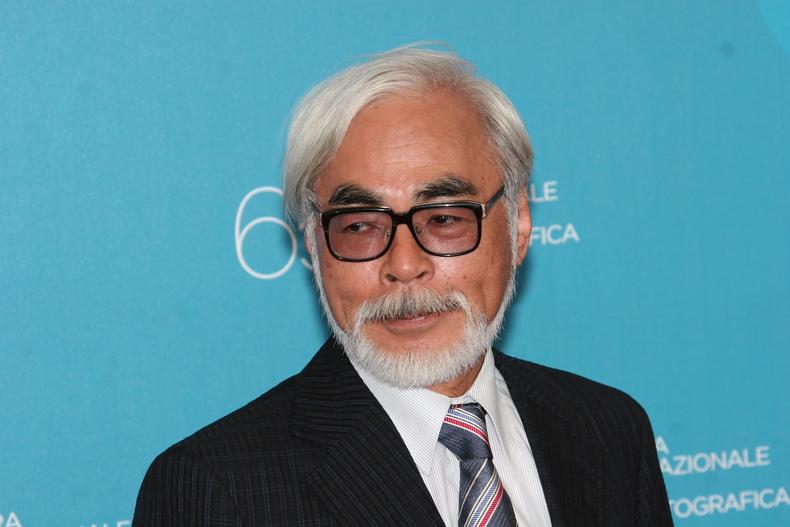
Hayao Miyazaki
In truth, this list should likely have far more filmmakers who changed animation, but with only 20 slots, we must put it all on the gorgeous output of Japanese director Miyazaki. Perhaps it’s because he exerts a control over his creative process that differs from animation in the U.S., but his recurring themes and motifs are unmistakable as he shows a deep love of the natural world and distrust of the machines that seek to wreck it. Although he uses a fantasy lens, Miyazaki’s worlds always feel tactile and real as he crafts brilliant fairy tales like “Spirited Away,” action-dramas like “Princess Mononoke,” or a story as warm and endearing as “My Neighbor Totoro.”
Ingmar Bergman
Bergman’s films are immediately identifiable and almost impossible to pigeonhole. They’re haunting, surreal, and deal with just about every weighty topic you can think of. Rarely could the Swedish filmmaker be considered as light viewing, but he always ensures that his thoughtful direction matches the ambition of themes in such stunning pictures as “The Seventh Seal,” “Persona,” “The Virgin Spring,” or “Fanny and Alexander.” While others have attempted to remake his work to various degrees of success, such as “The Virgin Spring” becoming the horror classic “The Last House on the Left” or the recent miniseries adaptation of “Scenes From a Marriage,” there is truly only one Ingmar Bergman.
John Ford
It’s been said that Ford is the greatest American director, and that includes everything great and flawed about American identity as viewed through his films. An Oscar winner for the dramas “The Informer,” “The Grapes of Wrath,” “How Green Was My Valley,” and “The Quiet Man,” Ford’s greatest imprint was on the Western and how it tied into notions of masculinity and the frontier. But more striking is how Ford shifted his ideas about American mythos over his career, showing a gradual and impressive transformation through “Stagecoach,” “The Searchers,” and “The Man Who Shot Liberty Valance.” If you want to understand 20th century America, you need to watch John Ford.
Martin Scorsese
Perhaps more than any of his peers (the “movie brats” of the 1960s and ’70s), Scorsese best embodies a filmmaker made by movies. While previous generations saw filmmaking as a gig or something they fell into, Scorsese made a love of cinema into a core part of his personality. He blended that enthusiasm with his Italian background and Catholic faith to create stunning art that probes American alienation yet remains unbound by a single genre. Yes, Scorsese has made some of the best gangster dramas of all time, but you can’t sleep on a range that also includes “Taxi Driver,” “After Hours,” “The Age of Innocence,” “The Last Temptation of Christ,” and many more.
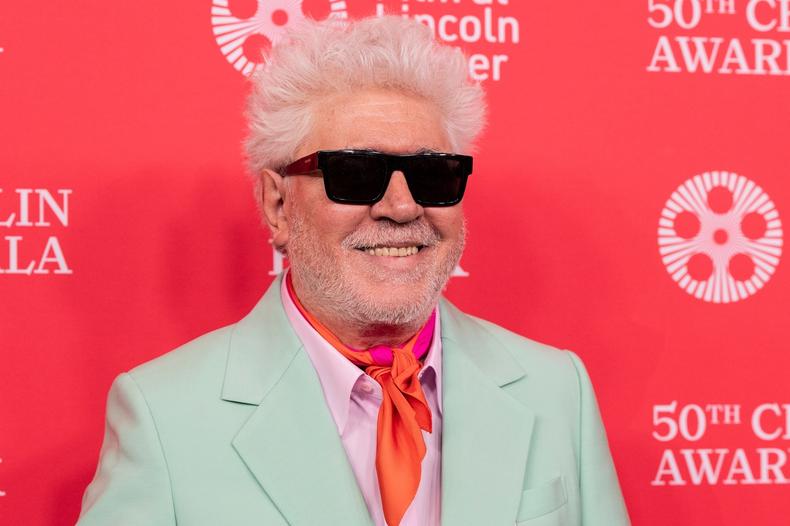
Pedro Almodóvar
No one has ever done melodrama quite like Spanish director Almodóvar. His daring, colorful films have constantly pushed the envelope in a way that’s both deeply humane and surprisingly playful. Few major directors are as unafraid of human sexuality as Almodóvar, using it as a fascinating lens into identity and connection. Furthermore, “Women on the Verge of a Nervous Breakdown,” “All About My Mother,” and “Volver” highlight the inner lives of women with a deep sense of empathy and compassion. And this is all before you get to his more outlandish touches in something like “Talk to Her,” which could feel like reaching for another artist but somehow comes naturally to Almodóvar.
Satyajit Ray
It’s impossible to tell the story of Indian cinema without Ray. While filmmaking across India exploded into a worldwide industry that could mint some of the world’s biggest stars, in terms of influential auteurs, you have to look at Ray’s oeuvre. He marries the neorealist influences of post-war filmmakers with a deep appreciation for craft to create some of cinema’s finest features, such as “Pather Panchali,” the Apu Trilogy, and “Devi.”
Spike Lee
Due to the deep threads of systemic racism in American history, Black directors were largely shut out of Hollywood. There’s a big gap between the excellent work of a filmmaker like Oscar Micheaux in the early 20th century and the time when Black directors were able to kick down the door in the 1960s and ’70s to start telling their own stories. Lee has loomed large since his stunning 1989 film, “Do the Right Thing,” and has only continued to push himself with thoughtful works that span genres like biopic (“Malcolm X”), sports dramas (“He Got Game”), and crime thrillers (“Clockers,” “Inside Man”), not to mention incredible documentaries like “4 Little Girls” and “When the Levees Broke.” You can’t understand the history of American cinema without “A Spike Lee Joint.”
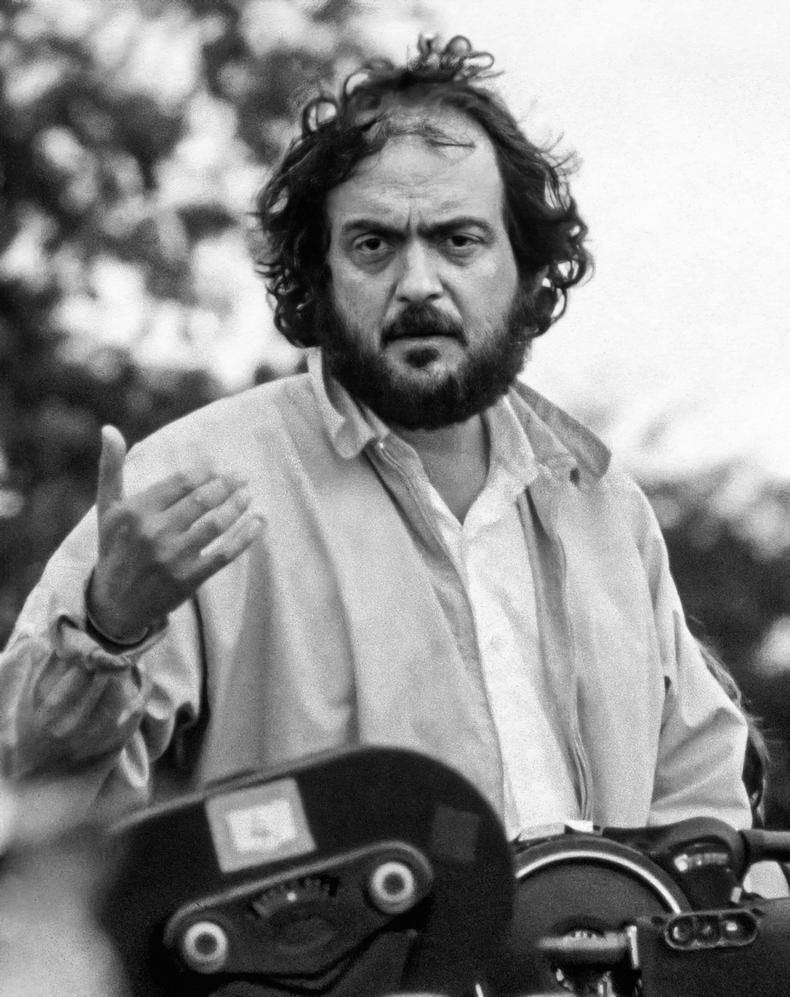 Stanley Kubrick
Known for his meticulous filmmaking, Kubrick still showed no problem moving between genres and leaving his impact forever, whether it was satire such as “Dr. Strangelove,” science fiction like “2001: A Space Odyssey,” a period drama like “Barry Lyndon,” or horror like “The Shining.” Taking on massive volumes of research and preparation, Kubrick’s productions would push the envelope of what was possible in cinema. To simply categorize his filmography as cold and cerebral misses how deeply haunting or surprisingly funny they could be.
Steven Spielberg
Once seen as a young upstart, Spielberg changed the face of American blockbusters, and therefore world cinema, over the course of five decades. His breakthrough film “Jaws” is partially credited with inventing the modern blockbuster, but Spielberg has never rested on his laurels, finding new ways to approach exciting spectacles while still making room for thoughtful dramas. There is the Spielberg of “Indiana Jones” and “Jurassic Park” and sweeping historical epics like “Schindler’s List” and “Saving Private Ryan,” but he also excels at smaller, more intimate accomplishments like “Catch Me if You Can” and “Bridge of Spies.” Like his peer Scorsese, age doesn’t seem to slow Spielberg down, and he continues to make some of the finest films of his long career.
Yasujirō Ozu
On paper, Ozu’s movies should not work. They break the rules of perspective; they tend to rely on static, medium shots. And yet this deceptive simplicity masks his careful choices and rich character work. Ozu’s approach puts the viewer in the middle of the action, not with overbearing style, but with quiet grace, so that we fully connect to the human drama of his scenes. Other directors try to win their audiences over with spectacle or technical prowess, and yet Ozu’s clever choices in films such as “Late Spring,” “Early Summer,” and “Tokyo Story” only serve to highlight the quiet power of the art form.
Kurosawa: PictureLux / The Hollywood Archive; Billy Wilder: Bart Sherkow/Alamy; Hayao Miyazaki: Denis Makarenko/Shutterstock; Pedro Almodóvar: lev radin/Shutterstock; Stanley Kubrick: IanDagnall Computing/Alamy