Whether you’re a sourdough-obsessed baker like Adelina Roberts, a meme-worthy meat seasoner such as Nusret Gökçe, aka Salt Bae, or a creator of oh-so-delicious life hacks à la the legends behind #fetapasta, becoming a food influencer means knowing how to turn your love for vittles into viral-worthy content for consumption.
A food or culinary influencer is a type of social media influencer who shares food-related content such as recipes, restaurant reviews, cooking tips, food trends, dining experiences, or anything else that might appeal to foodies on platforms like Instagram, TikTok, and YouTube.
Compared to other niche categories, food influencing can be particularly lucrative, because eating is an entirely universal experience. Though food experiences vary across cultures, tastes, budgets, and traditions, every person on the planet needs to eat! Fourthwall lists food and cooking among the most profitable content-creation niches in 2025, along with health and fitness, gaming, beauty and fashion, travel, and entertainment.
So if a fully stocked spice rack gets you excited and you’re looking to make money as an influencer, following your gut might just help you get that green.
 How to Become a Content Creator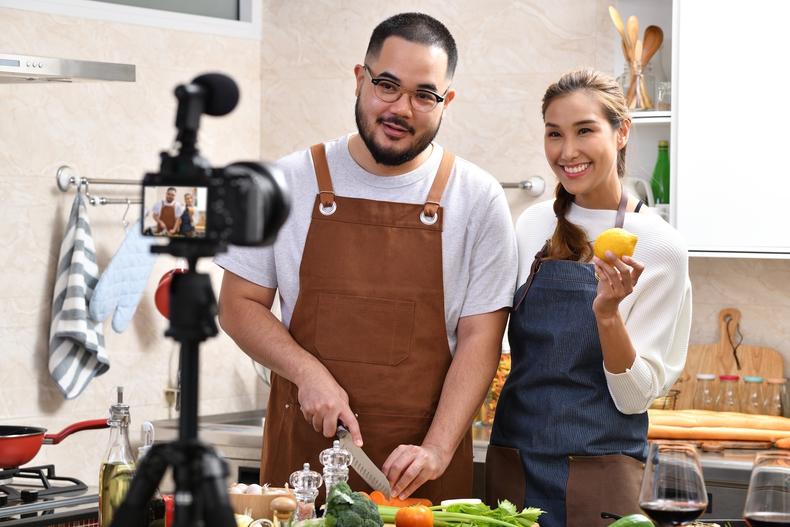
amenic181/Shutterstock
Whatever form of food content creation you decide to pursue, here are some basic steps to get you started and help you stand out from the crowd.
1. Find your signature dish.
Successful food influencers typically have something unique that helps them out, so think through what it is that sets you apart. Perhaps you’re all about cooking up your own recipes, or an expert at garnishing aesthetically pleasing short-form clips. You might enjoy plating up longer-form behind-the-scenes restaurant videos, or taking a spicy journey through every Mexican food restaurant in a new city. Start with as narrow a focus as possible and then grow more gluttonous from there.
For example, food influencer Logan built his entire platform on the conceit of coming up with various recipes to eat a whole cucumber. His deadpan delivery, unique approach to making cucumber salad, and hyper-specific focus earned him millions of followers on Instagram and TikTok.
Figure out your own place within the foodie niche with these tips:
- Develop your personal brand. Take some time to think about your values, what you like to do for fun, and the types of people attracted to your personality. Then consider how you can translate those things to target the interests of a specific audience.
- Be authentic. While it can be tempting to craft something “sellable,” the most important thing is to be real. If you tend toward humor, stick with it; or if you prefer a more elegant approach, go with that. Staying true to your genuine values and interests will shine through in your content and resonate better with your followers.
- Research. When starting out, it’s important to have a pulse on your market. What types of food content are trending right now? Is there a gap that can be filled? What do you see working with other successful food influencers, and how can you incorporate that into your own thing?
Once you have these answers, look out for where they intersect. That sweet spot where market trends and your authentic interests line up is the tastiest treat of all.
2. Marinate on content.
Once you decide you want to become a food content creator, start writing down recipes and food types that bring you joy. Log places you’ve eaten that inspired you and take photos whenever you can. Make a list of possible content ideas and start organizing them into categories; take notes on details like lighting, angles, and backgrounds that you like or don’t like.
By building a foundation of possible content right out of the gate, you’ll have a better understanding of what works for you, as well as a functional backlog of content to get started with.
3. Season your setup.
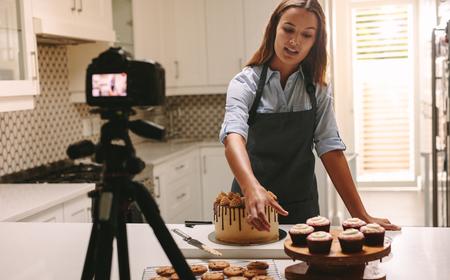
Food is an incredibly visual medium, so high-quality images and videos are necessary to simmer your way to social media success. While you don’t need anything fancy to get started, a basic ring light and nice camera (or accessories for your smartphone camera) will make your visuals all the more yummy. Start small, but have a plan to upgrade as your platform grows.
4. Feast with friends.
One of the most important actions you can take when working in food influencer marketing is to connect with others in your field.
- Collaborate with other food influencers by reaching out on social media and asking if you can create content together. This will help you grow your audience, build your credibility, and boost your content.
- Engage with the foodie community by using and following hashtags like #foodblogger, #foodphotography, #foodie, or #foodlover, as well ones related to a specific content focus like #cakestagram or #spicynoodles. Respond to comments and DMs, and ask your followers to share, like, and subscribe to further grow your audience.
- Attend conferences like Tastemaker, Everything Food, and BakeCamp; festivals like FoodieLand, New York City Wine & Food Festival, Tastes of Chicago; and any relevant group events.
- Introduce yourself to local chefs and restaurant owners—you never know who will be interested in working with you, or what you can learn along the way!
5. Keep on cookin’.
Finally, and arguably most importantly: Consistency is key. In order to become a successful influencer, you must keep at it, so create a content schedule and do your absolute best to stick to it. Post at least weekly, staying on top of trends as much as possible (and as long as they’re aligned with your values). Try out different mediums and channels, but keep your brand and messaging the same from platform to platform. Remember that becoming an influencer takes time, and keep moving forward with the knowledge that it will eventually take you where you want to go.
Ready to dine? Preheat the oven for your first gig by checking out our comprehensive database of content creator job opportunities.
Tint Media/Shutterstock
1. Pinch of Yum focuses on “simple recipes made for real, actual, everyday life.”
2. Philip Tzeng is a food marketer and content creator who built his following with positive restaurant reviews.
3. POV Husband’s husband-and-wife duo rely on humor and relatability while preparing excessively elaborate meals at home.
4. PlantYou highlights sustainable, plant-based recipes and a vegetarian lifestyle.
5. Olivia Tiedemann rose to fame showing the preparation of high-end meals for her clients—complete with rock music, profanity, and frequent middle fingers.
6. Jenn Lueke, aka Jenneatsgood, is all about frugal food: meal prep on a budget, $50 grocery hauls, and affordable nutrient-dense meals that reuse the same ingredients.
7. Yumna Jawad provides feel-good, healthy, and family-friendly recipes.
8. Laurent Dagenais travels the world sharing recipes, food experiences, and cooking tutorials.
9. Alfie Steiner uses his iconic deep voice to walk viewers through plant-based recipe series like “Soup Season” and “Take a Dip.”
10. Chef Reactions posts hilarious, salty, sarcastic reactions to the internet’s more ridiculous culinary creations.