From Eminem’s battle-tested verses to Nicki Minaj’s boundary-breaking brand, becoming a rapper means mastering the art of storytelling, building undeniable flow, and hustling harder than the beat drops. Whether you’re scribbling rhymes in your bedroom or freestyling at open mics, the path from amateur to artist requires equal parts talent and tenacity.
Rappers are rhythmic storytellers who transform life experiences into verses, delivering them over beats with precision and purpose. Unlike singers who focus on melody and pitch, rappers emphasize cadence, rhyme schemes, and flow using wordplay, metaphor, and punchlines to reflect on identity, culture, and reality.
Rap emerged from the hip-hop culture that originated in the Bronx in 1973, when DJ Kool Herc pioneered the “breakbeat” technique at a back-to-school party at 1520 Sedgwick Avenue. The broader hip-hop movement includes elements like DJing, MCing, breakdancing, and graffiti.
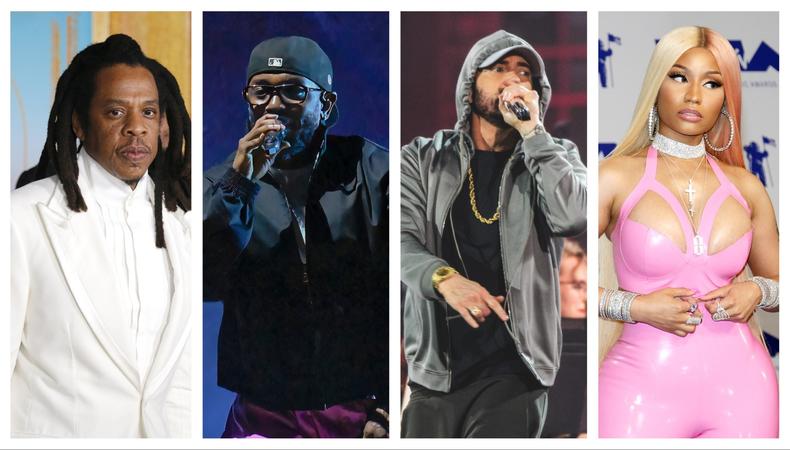
1. “Respect the game.” —Meek Mill
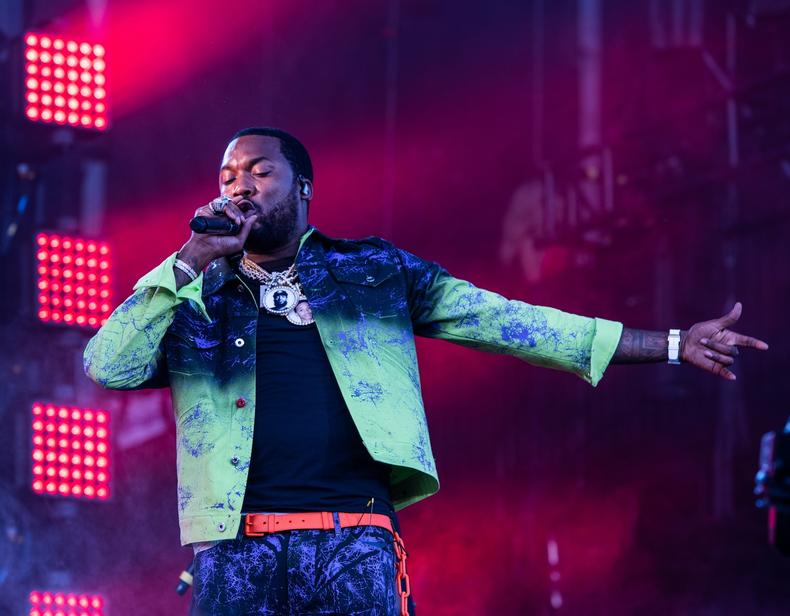
Credit: Ted Alexander Somerville/Shutterstock
Learn the landscape before jumping in by exploring various subgenres and their major stars, such as:
- Alternative/experimental: Tyler, the Creator, BROCKHAMPTON, Death Grips, Danny Brown, Rico Nasty
- Boom bap: Nas, Jay-Z, Joey Bada$$, Rapsody, Westside Gunn
- Conscious/lyrical: Kendrick Lamar, J. Cole, Nas, Common, Talib Kweli, Noname, Little Simz
- Drill: Chief Keef, Pop Smoke, King Von, Fivio Foreign, Katie Got Bandz
- Hardcore: Eminem, Tech N9ne, Hopsin, Joyner Lucas
- Reggaeton: Bad Bunny, J Balvin, Anuel AA, Kali Uchis
- Mainstream: Drake, Post Malone, Travis Scott, Lil Nas X, Nicki Minaj, Doja Cat, Ice Spice
- Phonk: Three 6 Mafia, Ghostemane, Yo Gotti, Juicy J
- Mumble: Lil Uzi Vert, Playboi Carti, Lil Yachty, Juice WRLD
- Dirty south: OutKast, Lil Wayne, T.I., Big K.R.I.T., JID, Megan Thee Stallion, GloRilla
- Trap: Future, Migos, Lil Baby, Young Thug, 21 Savage, Cardi B, City Girls
- G-Funk: Dr. Dre, Snoop Dogg, Nipsey Hussle, Saweetie, Doja Cat
From there, read books like “How to Rap: The Art and Science of the Hip-Hop MC” by Paul Edwards and “Book of Rhymes: The Poetics of Hip Hop” by Adam Bradley that go over the art of the craft. Understanding these essential components will ground your creative decisions and help you find your authentic voice.
2. “Work hard, play hard.” —Wiz Khalifa
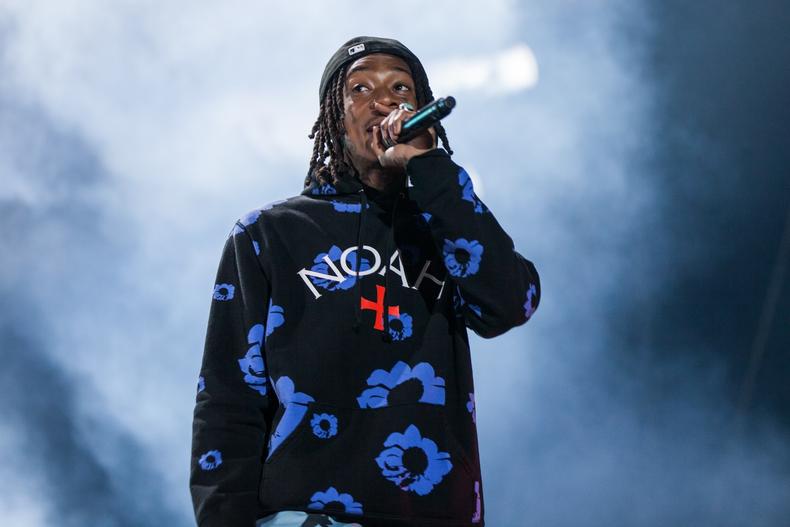
Credit: matejknezevic/Shutterstock
Your first priority is skill development. While writing fire lyrics is key to becoming a famous rapper, keep in mind that top-tier rappers are more than lyricists—they’re also performers, engineers, and entrepreneurs.
- Write every day, centering your songs on a specific topic or idea and building out the structure from there. Improve your writing with tools like RapPad and LyricStudio.
- Practice 8-bar, 12-bar, 16-bar, and 24-bar verses using a metronome, experiment with different rhyme schemes, and freestyle for several minutes to build flow and confidence. Use free beats from YouTube or BeatStars, and record using GarageBand, Audacity, or BandLab.
- Critique your recordings critically to identify any weaknesses. Request feedback from family, friends, other performers, and any industry contacts to reveal your blind spots and refine your sound. Use that knowledge to improve your delivery; repetition is your teacher.
3. “Drop it like it’s hot.” —Snoop Dogg
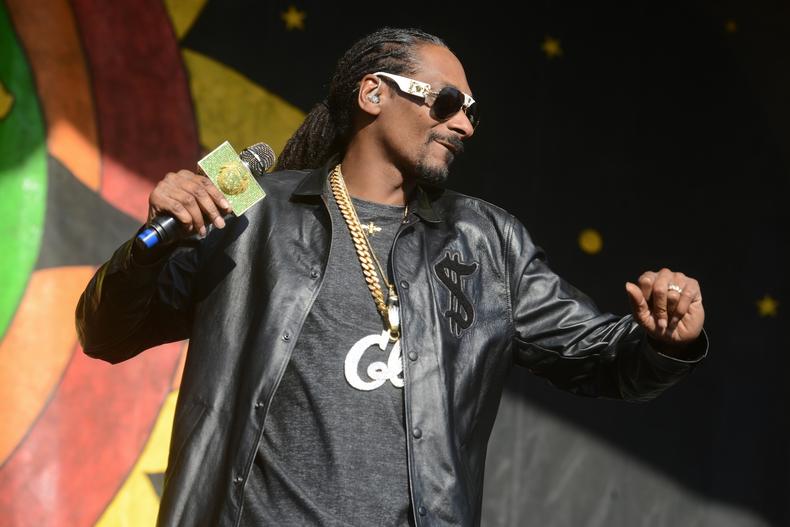
Credit: Adam McCullough/Shutterstock
Once you’ve built a solid batch of freestyles, session footage, lyric breakdowns, and demos, share your work with:
- Rap forums like Reddit’s Making Hip-Hop, Discord’s The Freestyle Club, and Twitch’s Hip-Hop and Rap streams
- Music distributors such as DistroKid, TuneCore, UnitedMasters, SoundCloud, SubmitHub, and Indiemono
- Social media pages including TikTok, Instagram Reels, and YouTube Shorts using relevant hashtags like #rap, #rapper, #hiphop, #freestyle, #rapchallenge, and #openversechallenge
Strive to release new content every 4–6 weeks to build momentum. Stay active and engage with your fans—they’ll be your lifeblood throughout this process.
4. “Secure the bag.” —Lil Uzi Vert + Gucci Mane
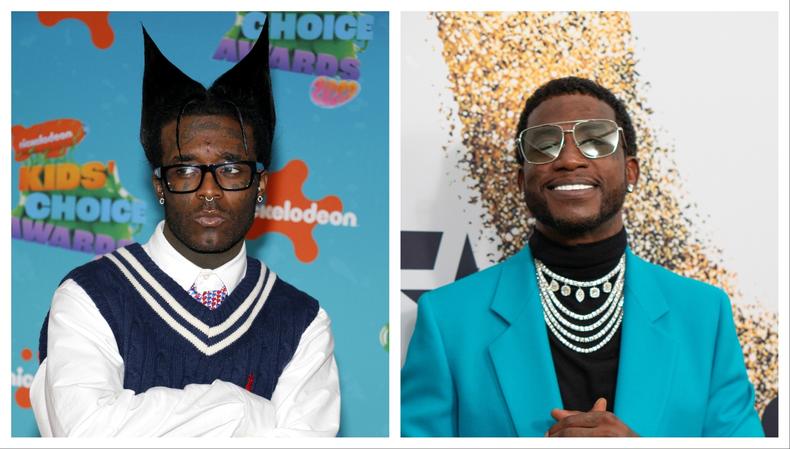
Credit: Tinseltown/Jamie Lamor Thompson/Shutterstock
As your fan base grows, start seeking revenue opportunities:
- Audition for paid gigs using our comprehensive musician casting call database.
- Perform at local shows, bars, or college events, which might pay $50–$500 depending on turnout; you can find these on sites like Open Mic Finder.
- Sell verses or hooks to other independent artists for $25–$150.
- Earn royalties by registering with ASCAP or BMI.
- Sell merch like shirts and hoodies through platforms like Printful or Teespring.
- Sync license your tracks via Songtradr or Musicbed to get them into films, shows, and games.
Especially when you’re just getting started, monetization is about stacking small income streams.
5. “Keep goin’.” —Future
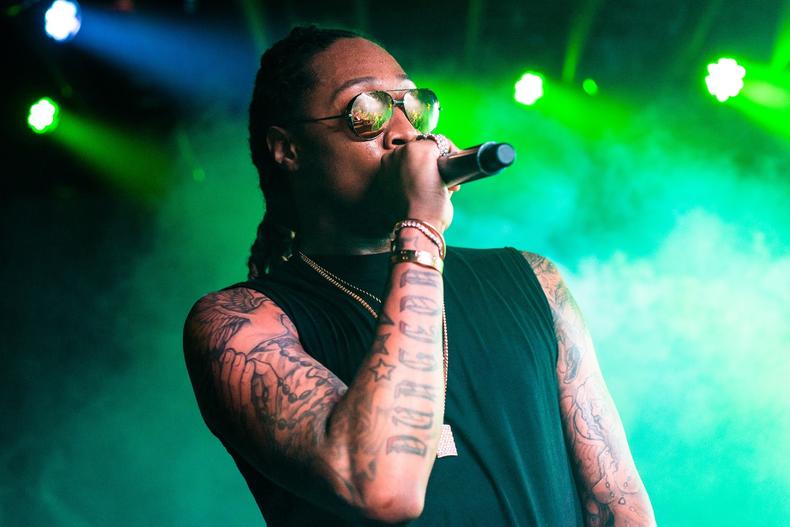
Credit: stock_photo_world/Shutterstock
Success in rap takes time, so keep on that grind and persevere. Eminem battled and recorded for nearly 10 years before “The Slim Shady LP.” Russ self-produced and released 11 albums before signing with a major label. Track your growth—followers, stream counts, income, skills—and adapt as needed. Talent opens doors, but grit keeps you in the room.