You’re sitting in the audience, watching a production of “Hamlet.” The Danish prince himself enters, dressed in black. He performs his “to be or not to be” speech. He then winks at the audience and slips on a banana peel. So, what did you just watch? Apart from the weirdest production of “Hamlet” known to man, what if we told you that you just witnessed four dramatic conventions? Confused? Read on.
A dramatic convention is anything a playwright (or sometimes a director) uses to help get the plot or message of a play across, either literally or symbolically. These are so universal that their meaning is usually immediately understood by the audience, regardless of whether or not the audience member has the vocabulary to name the specific convention in question. While some dramatic conventions are more popular than others in modern-day plays, most can trace their roots back to the origins of theater.
Scroll through any list of dramatic conventions and you’ll see the same handful over and over. We’ve listed and explained the most popular conventions here, plus what actors entrusted with these dramatic conventions need to know in order to do them justice.
1. Breaking the fourth wall
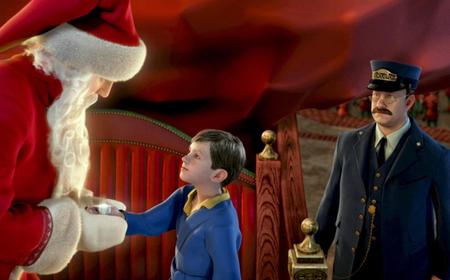
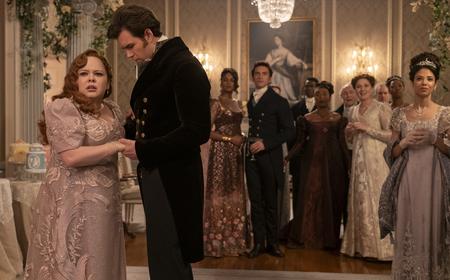
Most theater exists with an imaginary “fourth wall” separating the actors from the audience; the characters in the play are not aware of the audience and cannot see or hear them. But if that’s the status quo, it can be especially effective when the characters of a play break that fourth wall, either by addressing the audience directly or by giving them a knowing look or nod. While breaking the fourth wall is often played for laughs, like in the example seen here, it can also be used more seriously to endear the character to the audience or to get an important point across. If asked to break the fourth wall in a play, actors should be sure to understand exactly what dramatic purpose it serves.
2. Doubling
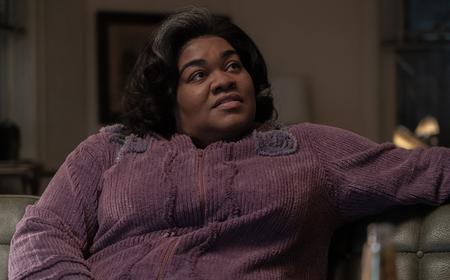
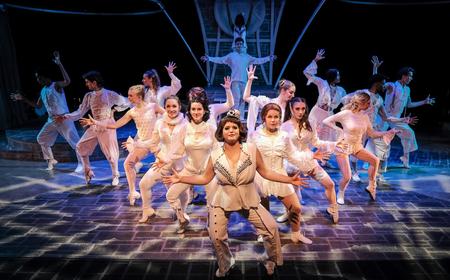
Doubling is the practice of having multiple roles played by one actor. When doubling is recommended or required by a playwright, it’s usually because they want the audience to recognize that the characters are being played by the same actor and therefore draw a conscious (or subconscious) parallel between the two. For example, in “Into the Woods” (book by James Lapine, music and lyrics by Stephen Sondheim), the Wolf and Prince Charming were written to be played by the same actor. This helps the audience draw a connection between their literal and figurative predatory behavior, respectively. While actors playing multiple roles should keep those roles unique enough to be told apart, they should keep in mind that this doubling is often done for a thematic reason, so there’s no need for the characters to be wildly different—just distinct.
3. Soliloquies
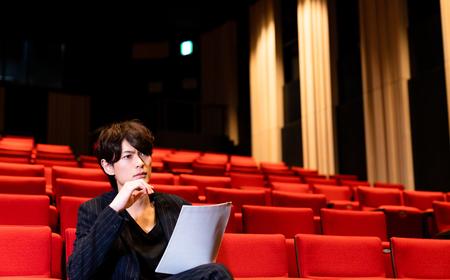
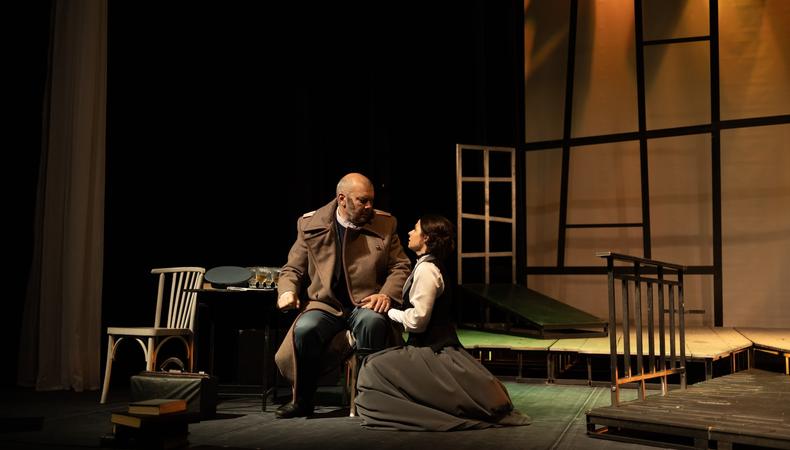
A soliloquy is when a character stands alone onstage and speaks about what they are thinking or feeling. This convention is helpful to both the playwright and the audience for the same reason: It’s the most direct way to communicate exactly what a character is feeling. While soliloquies might not be as popular as they once were (gone are the days of ubiquitous “to be or not to be” performances), it lives on in musical theater: Any time a character sings a song alone onstage, that’s a soliloquy.
4. Asides
Asides are a specific type of fourth-wall break in which a character acknowledges the audience and comments on the action of the scene they’re in. If you’re an actor giving an aside, don’t be afraid to be obvious. Asides exist for the benefit of the audience’s understanding, so you wouldn’t want them to miss whatever important information yours is meant to convey. And if you’re in a scene with an aside, but you aren’t the character giving the aside, be sure not to notice! “Romeo and Juliet” certainly plays out differently if she hears him ask the audience, “Shall I hear more, or shall I speak at this?”
5. Masks
Masks have long been used to help audience members understand a character’s personality and intentions the minute they see them. If you’re an actor doing traditional mask work à la commedia dell’arte, keep in mind that obscuring your face means you have to emote twice as hard using body language, gestures, and other types of larger posturing. While we may not see masks used as often in contemporary theater, costumes are still used in a similar manner to help the audience subconsciously understand a character. Audiences will make different assumptions about a character wearing all black than they will about a character dressed in bright yellow.
6. Slapstick
Slapstick is a form of broad physical comedy that usually involves things like slipping, tripping, pratfalling, and anything in between, as long as it’s played for laughs and probably, in normal circumstances, would be risky or painful. What’s simultaneously most impressive and most difficult about broad physical comedy is that it is often done without any dialogue to help aid the funny. While the playwright can dictate what needs to happen in a scene, there’s a big responsibility on the actor to actually breathe life and humor into what can often be otherwise bland or bare-bones direction. Actors should also remember to keep it goofy—slapstick usually involves things that should hurt, but you want to make sure the audience is laughing, not wondering if they should call an ambulance.
Ready to take your new knowledge of dramatic conventions and apply it to your next gig? Check out our theater jobs callboard here.