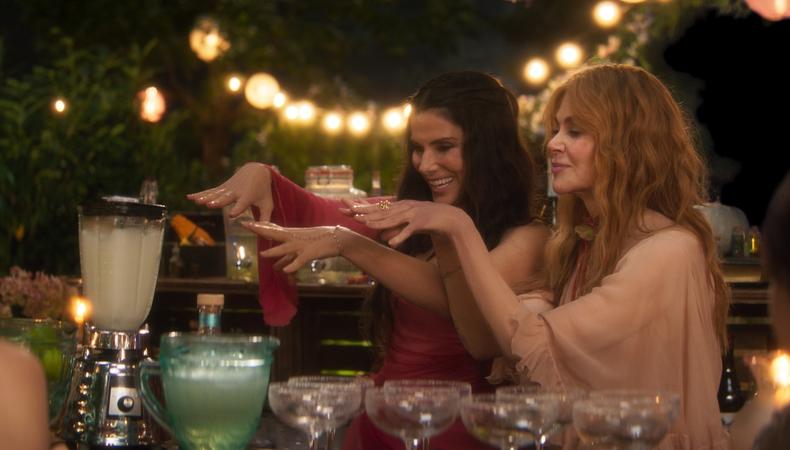
The midnight margarita scene in Griffin Dunne’s “Practical Magic” (1998) is universally loved because it feels entirely real. Sandra Bullock (the cautious Sally Owens), Nicole Kidman (her wild sister Gillian), Stockard Channing (Aunt Franny), and Dianne Wiest (Aunt Jet) create a moment of pure, chaotic joy, making the scene a classic celebration of sisterhood. From the braided ’90s hair to the impromptu conga line set to Harry Nilsson’s “Coconut,” the scene’s energy is infectious. Then come the blunt, tequila-soaked confessions. But behind what looks like an effortless, boozy kitchen dance party is actually a master class in acting mechanics.
Great screen work requires the same balance, preparation, and blending as a perfect cocktail. By analyzing this iconic scene (and pairing it with our own midnight margarita cocktail recipe), actors can learn how to ground high-stakes emotion and turn a fun pop-culture moment into an accessible Acting 101 lesson. Mix your own midnight margarita while you rewatch “Practical Magic” in anticipation of the sequel, which is set to hit theaters on Sept. 10.
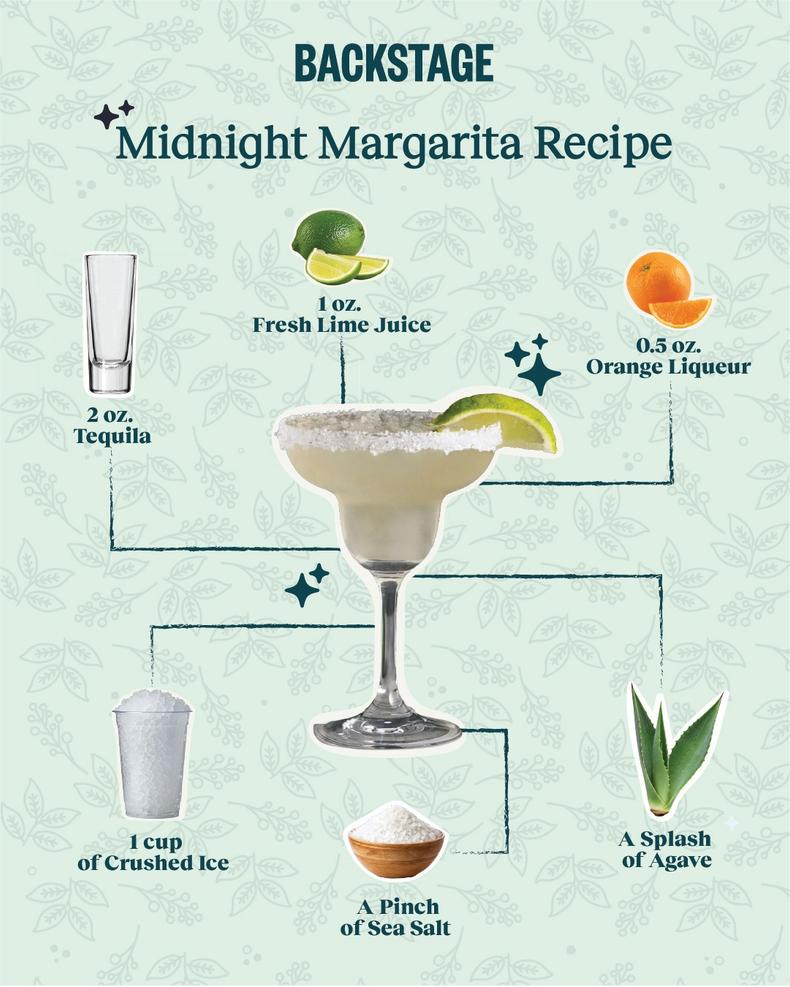
2 oz. Tequila | The Raw Impulse
The rumor is true: the cast drank real tequila during that scene, a choice that helped fuel pure, unfiltered instinct. The movements are messy, unpolished, and unpredictable, leaving it feeling unscripted and totally authentic.
Want to learn how to act drunk? Check out our guide.
The actor’s takeaway: Beware of over-rehearsing and instead lean into raw, immediate impulses. When actors pre-plan exactly how they will lift a glass or turn their head, the performance can become rigid. Let the physical reality of the moment dictate how your body naturally moves. Like Bullock whipping her sweatshirt through the air, lost in the rhythm of the song, or Wiest’s quick shudder after taking another shot.
1 oz. Fresh Lime Juice | The Narrative Subtext
What makes this scene really delicious is the dark contrast lurking, literally, underneath all the fun being had. The Owens women are dancing, singing, cackling, and even belching, but they are also dealing with a massive crisis: There is a murdered, abusive, and now possessed ex-boyfriend buried in their backyard. The joy tastes sharp because the stakes are terrifyingly high.
The actor’s takeaway: Find layers in your performance. If your character is experiencing intense panic, anxiety, or grief, don’t just cry or show fear. Try masking it with forced, frantic happiness. That sharp contrast between the internal subtext and external action creates the dramatic tension that makes the scene so compelling. Kidman plays this beautifully while reading Bullock’s palm, which is heightened by Channing’s apprehensive stares.
0.5 oz. Orange Liqueur | The Cast Chemistry
This scene features different acting styles: the grounded Bullock, the electric Kidman, and the legendary theater-trained Channing and Wiest. And yet, they blend seamlessly. Why? Because they’ve mastered the art of listening. Listening helps actors prioritize the ensemble over their individual performances, creating a magical movie moment.
The actor’s takeaway: Notice how the actors react to one another the moment the aunts sense something sinister is happening. Screen acting is all about being present with your partner. If you’re just waiting for your turn to speak your next line, the audience will see right through you and you’ll lose the authenticity of the performance. Look into your scene partner’s eyes, absorb their specific energy, and let their performance aid in how you deliver your next line.
A Splash of Agave | Dropping the Armor
Before this moment in the film, we see adult Bullock’s Sally guarded and uninterested in her family’s magical legacy. The midnight margarita dance scene marks the moment when her walls come down, allowing her to embrace her family’s magical circle and begin accepting her true self.
The actor’s takeaway: Map your character’s emotional arc. Audiences love vulnerability, but it hits hardest when it feels earned. Show the struggle of a character actively choosing to let go of their tough exterior before they finally show a different side of themselves. Try delivering your lines in different ways. And make sure you are still taking direction when needed.
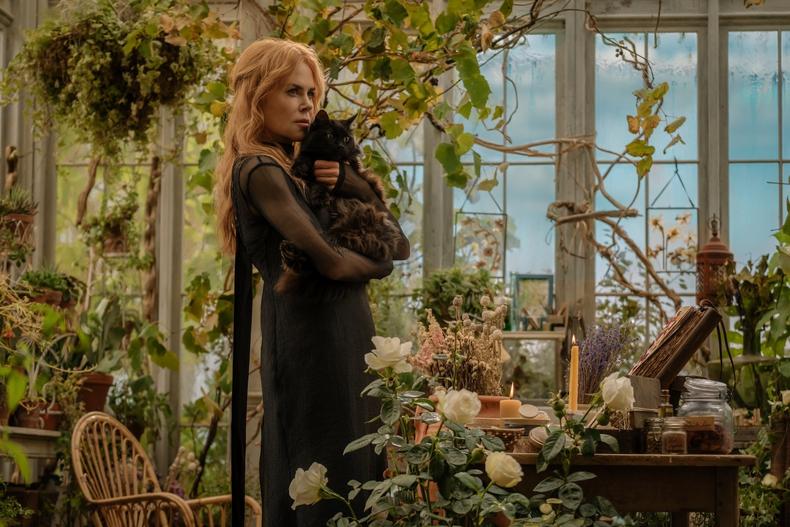
Credit: Courtesy Warner Bros. Pictures
A Pinch of Sea Salt | The Physical Prop Work
“Practical Magic” is filled with curses, spells, and witchcraft. But notice how this supernatural reality is anchored. Almost all the magical rituals in the house involve ordinary kitchen work. It grounds the high-magic fantasy in real, physical actions, such as tossing ingredients into a blender for a witchy margarita cocktail.
The actor’s takeaway: You can balance high drama with mundane physical tasks. If your scene features emotional stakes or fantastical concepts, give your hands a simple job like chopping limes, wiping counters, or stirring a pot. It keeps your body relaxed, natural, and safe from overacting.
1 Cup of Crushed Ice | The Set Design
The Owens’ kitchen is quintessentially ’90s. It’s warm, crowded, and deeply lived-in. This set design acts as a physical engine for character intimacy. The actors are forced into close proximity, bumping elbows and sharing tight spaces, which naturally adds to the familial bond.
The actor’s takeaway: Treat your set as an active scene partner. Don’t just stand on your mark. Engage with your environment by leaning on the counters or rummaging through the drawers, and let the room’s physical layout help dictate your character’s movements.