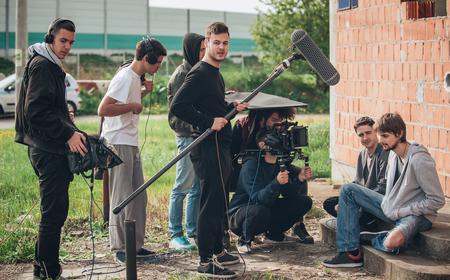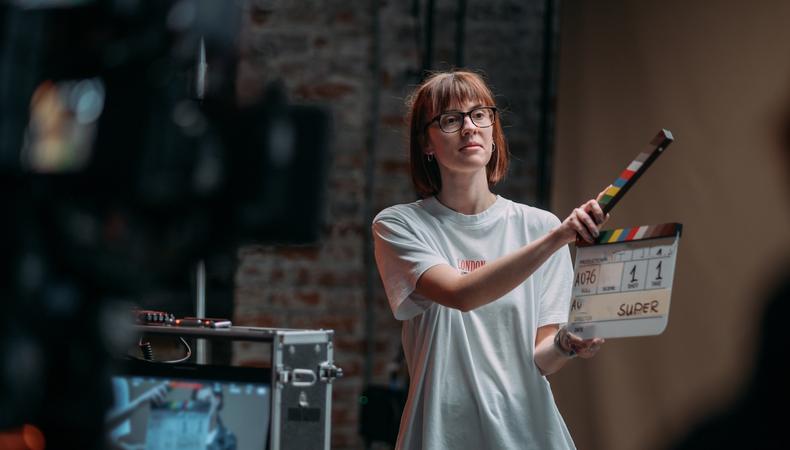
Few people are more integral to a set than production assistants. Often seen as the entry point to working in film or television, being a production assistant (PA) is one of the most important and educational jobs in filmmaking. Of course, if you’re just starting out, you may not know what a PA does or what an average day of working in that role looks like.
Essentially, a PA is the on-set hero, capable of handling any task thrown their way and supporting the various crew members and teams involved in bringing a production to life. PAs can work across a litany of departments, from casting to costumes to set design. Depending on the set, they can also work in the writer’s room or production office. PAs are sometimes broken down into different categories: set/field PA, office PA, and postproduction PA.
First to arrive, last to leave
Each production has different needs from its PAs, but some things are consistent: PAs are usually the first people in and the last people out because their work requires them to be ready for anything.
“You’re the jack-of-all-trades, floating around and helping any department that needs you,” explained Celine Elliott, a production assistant who has worked on “The Voice” and live events like Bad Bunny’s Super Bowl halftime show. “You get to see all the processes and learn what it takes and how to behave on set.”
Setting up, breaking down
Generally speaking, a lead or key PA oversees the other PAs and directs them to where their help is needed most. Sometimes PAs report directly to the assistant director. “On a lot of the productions I’ve worked on, you’re often assigned to a team so you know what you’re doing ahead of time, but on other sets you might not be doing the same thing every day,” said Elliott.
Some tasks you may be assigned to include:
- Answering phones and emails
- Gathering supplies and filing paperwork
- Preparing the set (helping with lights, sound, design, and the like)
- Escorting actors and background extras to set
- Assisting the director, producers, and designers
- General crew support
Being a PA is a physically demanding job—and not only for those whose duties include hauling production equipment and supplies.
“You’re kind of always on the move; good sneakers, comfortable clothes, and layers are important,” noted Elliott. You will likely be on your feet for the majority of your 8–12-hour day. You will be lifting and moving heavy objects. You will need strong communication skills to follow directions, relay information, and coordinate with the crew.
Paperwork, errands, and more
Of course, there are other, less glamorous aspects of the job that need doing: printing out scripts, printing out and distributing call sheets, and a lot of other paperwork. PAs are also often tasked with running errands, emailing and distributing information to various teams, collecting and bringing talent to set, and interfacing with multiple production executives and crew members.
“A good PA will always be looking out for what needs to be done next,” said Elliott. “Being able to quickly adapt is so important. You have to be willing to go wherever and with the flow.”
Learn, network, and grow
In the end, being a PA is an entry-level position, so you should try to learn as much as you can from the many knowledgeable experts around you. “Never be afraid to ask someone if you don’t know something,” Elliott explained. “If you don’t have anything to do, ask people questions. People love to share their experiences and help other people starting out.”
Besides, asking those questions might just lead you to your next gig. After all, working in the entertainment industry is a communal project, and that means networking is a key part of staying employed. As Elliott put it: “You have access to everything, so you can explore different crew and department positions you may not have heard of.”