Brad Pitt won an Oscar for producing “12 Years a Slave”—but he didn’t receive a statuette when “Moonlight,” which he also produced, took best picture three years later—because his credit on that film was for executive producer, not producer. That distinction trips up plenty of people, and perhaps no role in show business is more misunderstood than the EP. So what exactly is an EP’s job, how you become one, and why might you need one? Find out here.
JUMP TO
An executive producer is a senior producer who typically has high-level responsibility for helping get a project made and ensuring that it stays on track from a creative, financial, or business perspective.
The exact job description depends heavily on the project and the medium.
- Film: On a feature film, an executive producer might help develop the project, secure financing, connect the filmmakers with investors or other key partners, negotiate major deals, and provide high-level oversight throughout preproduction, production, and postproduction.
- Television: On a TV series, an EP may have much more direct creative involvement. A show’s creator, showrunner, or senior writer can hold an executive producer credit and weigh in on everything from developing episodes to hiring writers, casting major roles, approving creative decisions, and overseeing production.
- Theater: Then there’s also producing for the stage. Brendan George, who has worked as a producer in both theater and film, explains, “One of the biggest differences between theater and film producing is the financial model. The financing for the projects is often different, and the return on that money is different. This matters because how you finance affects how you budget, and who you are beholden to with each dollar.”
Unlike many crew positions, then, an executive producer has no single defining daily task—hence the confusion. The title generally signals a senior role with substantial responsibility or authority over a production.
H3: Executive producer vs. producer: What’s the difference?
The distinction between the two roles can also vary, but the broad difference comes down to scope and level of involvement.
A producer is generally more directly involved in the day-to-day process of getting a project made.
“A producer needs to make the production happen, which includes a wide range of responsibilities that are often broken down between multiple individuals on a producing team,” says George. “Responsibilities may include financing and budgeting, managing and organizing personnel, sourcing materials and equipment, and negotiating with internal and external participants or stakeholders. They should also be working hard to make sure everyone is happy, healthy, and safe throughout production.”
Executive producer jobs often operate at a higher level. Rather than managing every daily detail, EPs may focus on major decisions involving financing, partnerships, talent, studio or network relationships, distribution, and the overall direction of the project.
For example, imagine a feature film that needs $10 million to get made. A producer might spend years developing the project, working with the writer and director, creating a budget, attaching actors, and putting together the production.
An executive producer, meanwhile, might help bring in one of the film’s primary sources of financing or use their industry relationships to help secure a major distribution or production partnership.
Once filming begins, the producer may be involved in daily production meetings and on-set decisions, while the EP receives updates and steps in directly when a significant issue requires senior-level attention.
The title alone doesn’t tell you exactly what someone does every day. The best way to understand an executive producer’s role is to look at where they sit within the production’s larger decision-making structure.
A significant amount of an EP’s work happens before the cameras start rolling.
This may begin during the earliest stages of development. An executive producer might find or develop a project, acquire the rights to underlying material, help package the project with a writer, director, or actors, and use their relationships to bring additional partners onboard.
Financing can also be a major part of the job—sometimes, that’s all there is to it.
Depending on the project, an executive producer may raise money directly, make introductions to investors, help secure a studio or production company, or negotiate agreements that make the project financially viable.
That said, some EPs come on later. “Executive producers, in particular, can show up at later stages of a project,” George notes, “sometimes even after the show has opened or started rehearsals or the film has premiered to attach their name and increase the project’s scale and visibility.”
Because EPs come in many shapes and sizes, no single schedule fits them all. Some executive producers are on set every day. Others may visit periodically or work entirely from offices, production company headquarters, writers’ rooms, or other locations.
A day for an executive producer on a feature film might look something like this:
8-9 a.m.: Reviewing updates and the bigger picture
An executive producer may begin the day by reviewing updates from the production team. The key difference between this and many other on-set positions is that the EP generally isn’t focused on whether a particular light has been moved or whether a camera is ready for the next shot.
They’re looking at larger questions. Much of the executive producer’s day involves staying informed enough to recognize a problem before it becomes a crisis.
9-10:30 a.m.: Meetings and major decisions
Executive producers can spend a considerable amount of time in meetings. They may meet with the producer, director, studio representatives, financiers, attorneys, network executives, production company executives, or other stakeholders.
10:30 a.m.-noon: Checking in with production
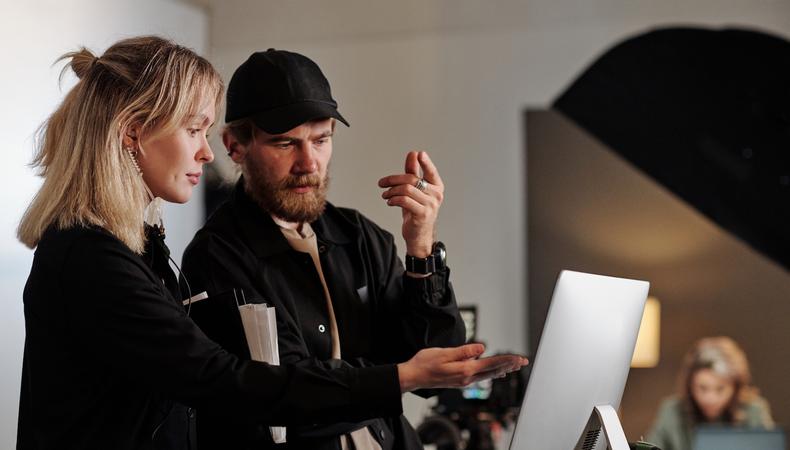
On a day when they’re physically on set, an executive producer may visit the production to see how things are progressing. This doesn’t necessarily mean standing beside the director all morning. The EP might meet with the producer or line producer, speak with the director between setups, check in with key department heads, or observe filming.
They’re there to assess the overall health of the production and leave the crew to its work.
Noon-1 p.m.: Lunch and relationship management
Like many senior positions in entertainment, part of an executive producer’s job involves maintaining professional relationships. A lunch break might provide time to meet with a financier, studio executive, actor’s representative, potential collaborator, or another producer.
For an executive, there’s always time to network. Becoming an EP is all about who you know, and, often, who will give you money.
1-3 p.m.: Solving problems
No production goes exactly according to plan. An actor could become unavailable. A location could fall through. Weather could disrupt a schedule. A production could run over budget. A major piece of equipment could fail. A creative disagreement could require mediation.
The executive producer may not be involved in solving every problem. But when an issue becomes large enough to affect the overall production, the EP may step in.
3-5 p.m.: Looking ahead
An executive producer isn’t only concerned with what is happening today. A major part of the job involves anticipating what will happen next.
They might review the schedule for upcoming weeks, discuss postproduction plans, monitor the remaining budget, address potential issues with talent or distribution, or make decisions about future stages of the project.
5-7 p.m.: Reviewing the day and following up
As the shooting day continues, the executive producer may receive additional updates. If they’re on set, they may speak with the producer and director before leaving. If they’re working remotely, they may have calls or meetings to review anything that changed during the day.
They might approve a revised plan, address a new budget concern, or communicate with financiers or executives about the production’s progress.
The job of an executive producer centers on carrying responsibility for the larger success of a project. That means knowing when to get involved and when to let other people do their jobs.
Ultimately, executive producers are there to help ensure that a project has what it needs to get made, overcome major obstacles, and reach the finish line. While producers often deal more directly with the day-to-day process of making a production happen, EPs typically keep their attention on the larger creative, financial, and strategic picture. They’re often seen as the people with their hands on the purse strings, but they do a whole lot more.