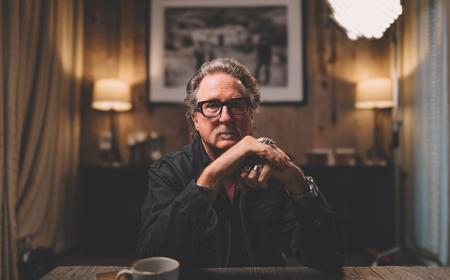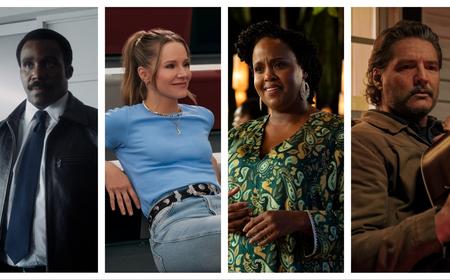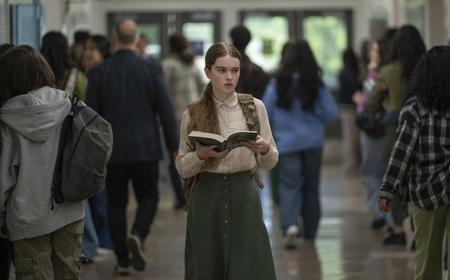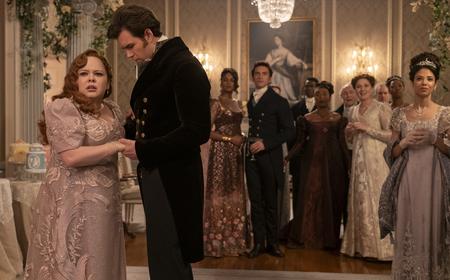
Ohio isn’t known as a major production hub, so it may be surprising that recent awards contenders like Todd Haynes’ “Carol,” Yorgos Lanthimos’ “The Killing of a Sacred Deer,” and this year’s much-anticipated Ted Bundy biopic “Extremely Wicked, Shockingly Evil and Vile” were all shot in Cincinnati. Behind the local casts of those films is casting director D. Lynn Meyers, who is also the producing artistic director of the Ensemble Theatre, an Equity theater that presents shows that typically focus on social issues. Meyers began her career in Cincinnati theater before working in bigger markets and then returning to her Ohio roots, where she’s revived a struggling theater, found local talent for major films, and proven that a midsize Midwestern city is just the place for an actor to build a robust career.
What are your auditions like for Ensemble Theatre?
Every show has something different. We strive to make our stage look like what we want our audience to look like. I look for what the playwright intended, but also for actors who are open to being part of a community and new ideas. On a show-to-show basis, I call people in to read for different roles. You’ll come in to read a scene and then you’ll take notes and direction and we’ll do it again and somebody gets hired. It’s not scary. If you want to act, you should enjoy auditioning, because it’s a chance to perform.
How do you cast the films that come through Cincinnati?
Cincinnati shows up in these films not in just waitress parts but in principal roles. I do sessions on tape, and if I’m working with a principal CD, I share those to decide who to call back to tape again. We might have in-person auditions with the CD and me in the room. That’s what I did with Laura Rosenthal on Todd Haynes’ “Dry Run” with Mark Ruffalo, which is filming right now. She tells me where she’s going with the leads and I say, “I might have that role here.” In “Extremely Wicked, Shockingly Evil and Vile,” we had a principal role cast here.
What should people know if they want to get cast as a background actor locally?
For people interested in doing plays and film, we have open calls. For the movie “Gotti,” 1,000 people showed up for an open call in one day. We take pictures and measurements, and they fill out forms and contact sheets and we can grow our file. In “Extremely Wicked, Shockingly Evil and Vile,” there’s a jury featured, and I wanted the right 12 faces for that. Film is forever; you’re immortal. I highly recommend to anyone interested in it to spend a day doing background on a film. You learn how fun it can be and how hard it is to make a movie.
What challenges do you experience when casting regionally?
Sometimes there are roles that are [very] specific, and that’s a challenge. A particular age or ethnicity is a challenge in any city I’m in. In a bigger market, I might have more variety to choose from. Here, I might be able to bring in seven people who are right for a role, which is pretty great, but if I were in Los Angeles, I might have 17 or 27. But that doesn’t mean I’m being any less productive in who the director is getting to see.
READ: Small Market Acting No Longer Means Small Market Roles
How do you find new talent?
I don’t go anywhere that I don’t look. I met a woman who was a waitress several months ago; I asked if she was interested in auditioning and she did. If I go and see a movie, I’m constantly looking up the names of the actors in it, because someday I may want them to do something. I go to other theaters and meet people there, not just in Cincinnati; I’ll go to St. Louis, Chicago, and Detroit. I’ll even remember people who aren’t actors, because that’s just the way my head is wired to really think about what they can do in a broader scene. I’ve cast real attorneys, real medical workers, and people who work in the court system. It really opens up your opportunities. When you’re always looking, you can always find people. In terms of auditioning, every year we have this big open call called Meals 4 Monologues, and it’s wonderful because it’s three or four days when actors of any age and experience can come and audition. They get three minutes. They can do a monologue, song, combination, dance, or whatever they want to do. I then have an ever-increasing volume of people that I know and can call upon for work. I’ll get to know wonderful new people, I’ll see some people who I haven’t seen in a few years who have maybe really upped their talent and their game. That’s the biggest audition opportunity of the season, and it always happens in December.
What advice do you have for actors?
I don’t think it’s helpful to wait for somebody to call you up. You should be aware of what you care about and where your passion lies. If you hear that there’s a play or film happening that happens to fit something you’re passionate about, write, find out about it, find out if it’s casting, and put your name forward. I think it’s vital that you go see everything—go see anything where other artists are gathered, because you might get a job from being in the lobby of somebody else’s show. If you can’t afford a ticket, go into the lobby and ask, “Is there a rush ticket available? Is there somebody who didn’t show up?” People tell me it’s hard—it’s not. It’s easier to sit at home and watch Netflix. That’s easy. It’s super easy to say, “Nobody’s calling me, I can’t get any work.” You’ve got to be the one to make that pitch, to say, “I’ll go stand and do background for 12 hours. I may do that five, six, or seven times, and maybe I’ll be on set sometime where I can be of use and be part of something in a bigger way.” I think too many actors get bitter and wait and think somebody is going to come and ask them to do something instead of just going and asking, “Can I help?” Try to get a job that’s in the arts that’s not acting. I can’t tell you how many times I’ve called somebody up from the box office to read a scene with somebody. Actors should just say yes to adventures and opportunities. Everything counts for an actor. Take a language course, a music course, go in and assist and do paperwork or bookkeeping or nursing. All of that counts, because every skill that you have will come into play when you’re auditioning for a role.
What makes an actor memorable to you in an audition?
Patience and kindness. If an actor is incredibly polite to the people who work with me on these audition days, if I note an actor is kind, early, considerate of somebody else who may be struggling. Being prepared sets you apart. Know what you’re going to do, walk into the room, and be ready to deliver it. Being prepared, being patient, and being kind are the three things I want. I don’t hire actors; I hire people who are actors.
Ready to get to work onstage? Check out Backstage’s theater audition listings!