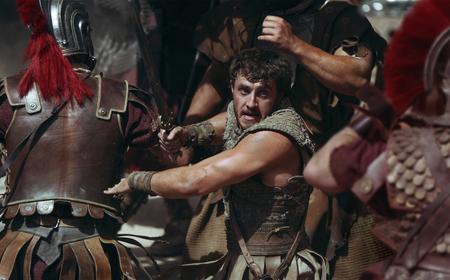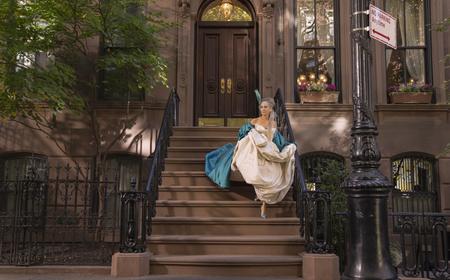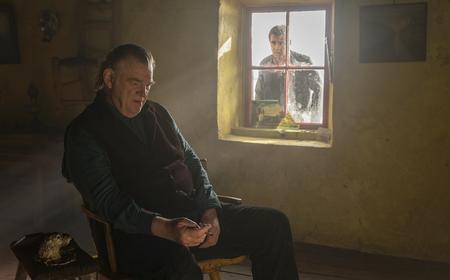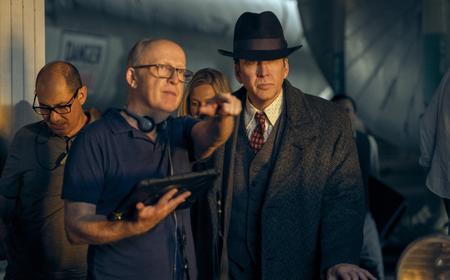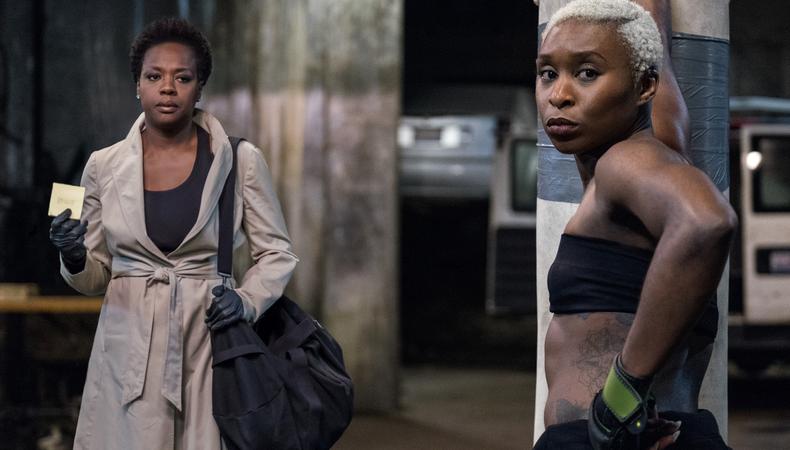
Working again with his frequent collaborator and “12 Years a Slave” Oscar winner Steve McQueen, director of photography Sean Bobbitt used his cinematographic eye to make “Widows” (out Nov. 16) pack an emotional punch far beyond your typical heist thriller. A veteran DP, Bobbitt has a keen understanding of how his craft relates to actors, the ways in which he can decipher how experienced an actor is, and the only true way for a person to get into cinematography.
How did you get into cinematography?
To be honest, I’m a cinematographer by mistake. I originally wanted to be a writer-director, as I think we all want to be. Sort of by chance of changing one’s direction, I ended up first working as a news cameraman and then as a documentary cameraman. Then, finally after many, many years, I made my way into drama and feature films.
What does a director of photography actually do?
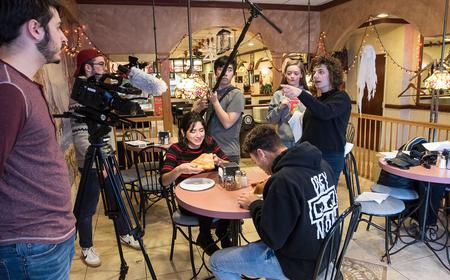
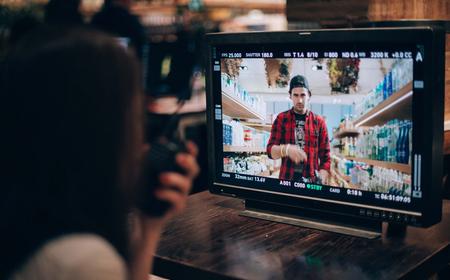
Their job is to realize the visual concepts and ideas of the director in the actual making of the film. To do that, the DP has a camera team to look after the camera equipment, and then they have a lighting team that sets up all the lights and sets up the power. The DP is sort of the right hand to the director. The idea really is that you, as the director of photography, discern what it is that the director wants to visually portray. And then, using the technical skills that hopefully you’ve developed over years and years of hard work, you bring it to a reality.
From a cinematography perspective, what was unique about “Widows”?
Every film has its own challenges and rewards. The challenge of “Widows” was to take what on the surface appears to be a pretty straightforward heist and turn it into something more than that. Of course, the genesis of that, the basis of it, is from the script itself. The story is fantastic, and [McQueen’s] ability to bring together all the right people to tell a story is amazing. I have absolute faith in his choices.
What’s the DP’s relationship to actors?
You have to develop a trust between yourself and the actors so that they are comfortable and can simply worry about their performances. The way in which I approach the lighting of a scene is also very important. I try to initially light the whole area so that the actors have the freedom to move within that space, to do it however they wish in order to find their performances. Once we’ve seen a rehearsal, we can then very quickly go through and fine tune the lighting in relation to the specific motions that the actors are going through.
Is it usually apparent when an actor is inexperienced?
Sometimes the lack of experience is to the benefit of the character, because you can see the true reaction from inexperienced actors in some situations. Whereas an experienced actor, they have learned how to “act” in that situation. It can be a very subtle difference, but you can see it…. There are times when an inexperienced actor can be frustrated in their inability to duplicate their actions. But other times, it is the very fact that they’re doing something different that makes a scene exciting. The excitement within any performance is when they do that little something that was incredibly unexpected and wonderfully special. It’s really trying to ensure that you weigh everything you can in your favor to capture those moments.
Is the line between director and director of photography ever blurred?
It’s very simple to me: I give no direction. That’s my job. If I see something that I think could be improved, then I’ll go to the director and talk to the director about it. It’s the director’s job to direct the actors. It is my job to direct the camera and the lighting.
What advice would you offer to someone who wants to get into cinematography?
It’s like any role in the film industry: If you really want to do it, then just go start doing it. If you want to be a cinematographer, learn photography first—get a camera and start shooting stuff. You really primarily learn through experience. I was very lucky as a news cameraman because when they sent me out, they weren’t expecting to see anything amazing or beautiful. They just wanted me to get back alive. I was given a lot of freedom with a camera on my shoulder to learn about lighting and just shoot. The key is just to go do it. Don’t talk about it or pretend to do it. Actually go and do it.
Want to act in a feature film? Check out Backstage’s casting notices!