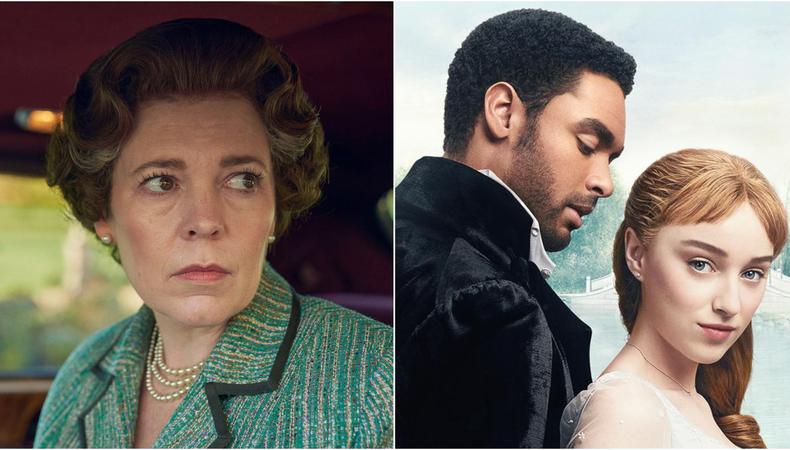
Netflix, Disney+ and Amazon Prime are to be regulated by Ofcom, the UK’s media regulator, for the first time to counter what is seen as unfair competition for the BBC, ITV, and Sky – who as British broadcasters are subject to stricter rules.
Speaking in today’s Times, the UK culture secretary Oliver Dowden says: “It’s a golden age for TV and I want to keep it that way. But to do that we need the healthiest broadcasting landscape: one that is diverse, free and pluralistic. One where streamers can keep churning out brilliant shows, while traditional public service broadcasters retain their place at the centre of the UK’s media ecosystem.”
Ofcom holds UK broadcasters to account over issues including impartiality, product placement, age ratings, viewing figures, and harmful or offensive content – which needs to meet strict criteria to justify its use. UK broadcasters are also obliged to implement a rigorous complaints system which Ofcom oversees.
 How to Audition for the BBC
 Why now?
Amazon has faced criticism for showing antivax content including the now-removed Vaxxed and Shoot ‘Em Up: The Truth About Vaccines, while Netflix’s 13 Reasons Why faced widespread criticism over a perceived glamorisation of suicide, depression and stress. And the streamer has faced complaints over The Crown – which carried no disclaimer to clarify that many scenes or events were fictional and not based on fact.
But spiking the issue is the speed at which global streamers have eaten into UK market-share: Netflix, Disney+, and Amazon Prime Video between them have nearly 30 million UK subscribers, according to Deadline. The current Ofcom framework was built back in 2003, before the era of steaming, and when Netflix was a DVD mail-order company.
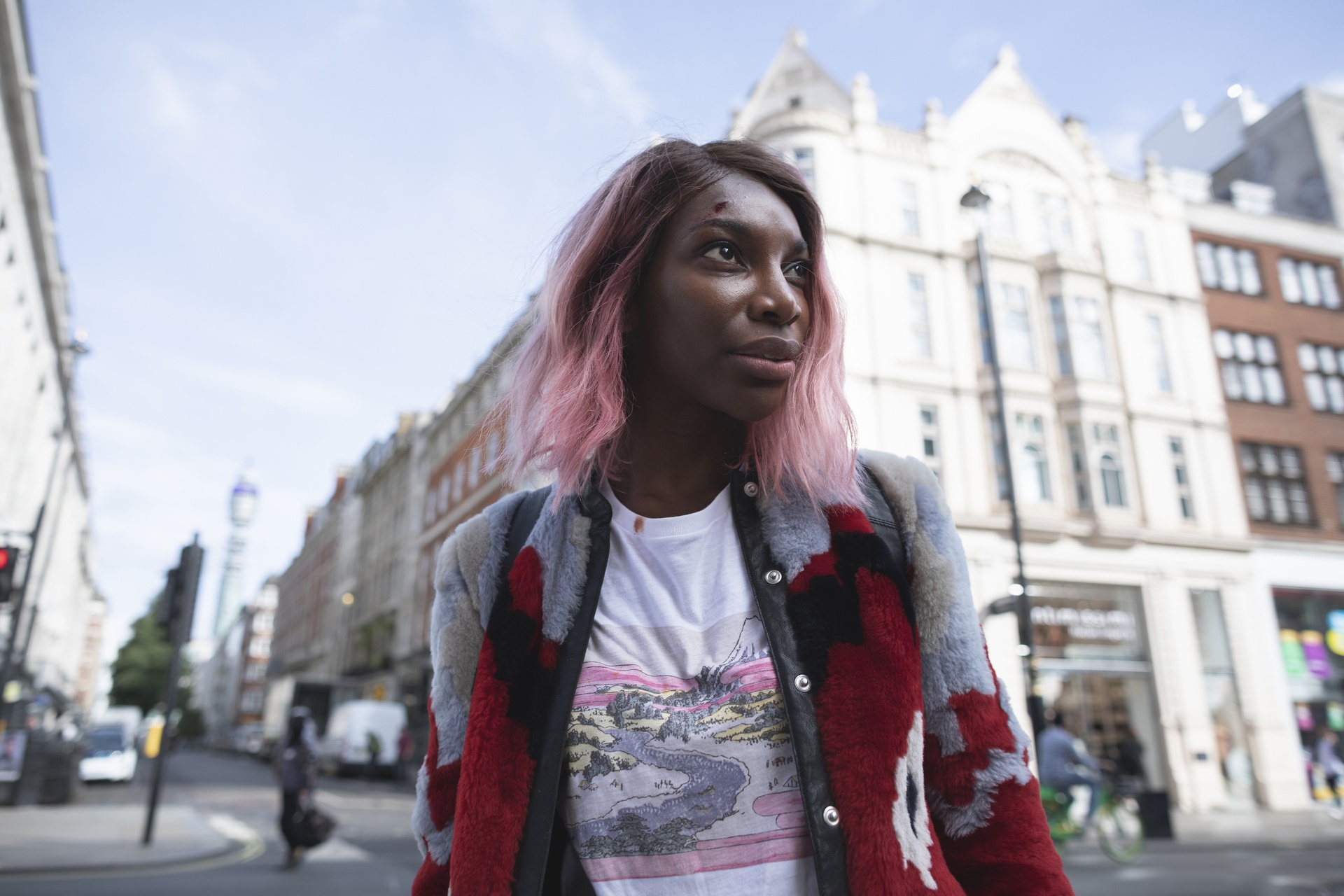
Culture Secretary Dowden says: UK broadcasters are holding their own. Production studios are packed. The BBC and Channel 4 have put out two of the most critically acclaimed shows of recent years, I May Destroy You and It’s a Sin.
But our broadcasters can’t do it alone and they certainly can’t compete in a digital world while operating under analogue rules. So in the autumn I plan to bring forward a white paper on the future of broadcasting, and how we can make it fit for the 21st century.”
The white paper, says Dowden, will also set out ways to give public service broadcasters (largely, the BBC), increased prominence on online platforms.
And of course, it’s not the first time the streamers are feeling pushback. Underlying Dowden’s words is the sense of alarm that, just as content from British broadcasters like Fleabag, Peaky Blinders, and The End of the F***ing World adds sparkle to streamers’ libraries, these same streamers also pose an existential threat to the BBC, ITV, Sky, and Channel 4 in an on-demand era.
 How ‘I May Destroy You’ Got Made
 How will the streamers react?
Bearing in mind the UK’s position as a global media talent hub, the new proposals are likely to be an inconvenience rather than a deal-breaker. Deadline reports that “sources close to Netflix” indicate support for the regulation in its most important European market, and where it spends £715million ($1billion) a year on original material: “Netflix is supportive of the government’s intentions to bring the rules and regulations into the digital age and welcomes the broad direction of travel.”
And with global demand for British drama driving exports, and booming UK film and TV production driving huge inward investment into British studios, it seems that everyone benefits from the talent that results from a vibrant domestic broadcast industry and global competition.
More industry advice for UK actors? Click here.