From the aerial dance troupe at a P!nk concert to the talent portraying the perpetually laboring (and perfectly choreographed!) underworld workers in the Broadway musical “Hadestown,” backup dancers are the unsung heroes of the performing arts industry. If you’ve ever found yourself watching a music video and wanting to be that dynamic force spinning and twirling behind the main performer, this guide’s for you. Let’s break down how to become a backup dancer, the one who makes audiences say, “Did you see that move?!”
In the simplest terms, a backup dancer is a performer whose job is to support the lead artist, whether it’s on a concert stage, in a music video, or during a TV appearance. Whether backing up pop icons like Beyoncé, working with Broadway performers, or adding flair to film and TV productions, backup dancers play a key role in making every performance a visual spectacle. They’re the ones executing precision choreography—the masters of synchronization, adding spark and energy while letting the main star shine.
What kinds of gigs can backup dancers get?
You might think backup dancing is just for pop concerts, but it goes beyond that. Here are some of the gigs backup dancers might land:
- Concerts, making tours like Taylor Swift’s Eras Tour all the more fabulous (Kameron Saunders and crew, here’s looking at you!)
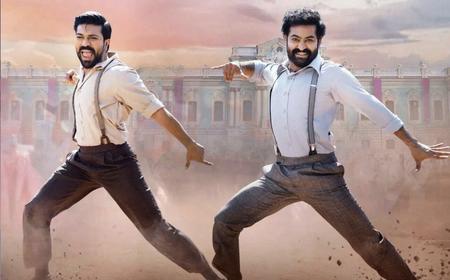
- Music videos, adding pizzazz to recorded performances, from high-energy pop to surrealist vaporwave
- Award shows and TV performances, jazzing up productions like the Grammy Awards, “Saturday Night Live,” or the DVD productions of “Dancing With the Stars”
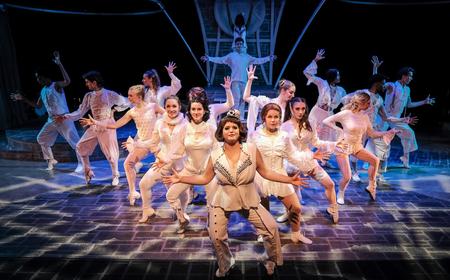
- Broadway and theater, keeping musical action dynamic on Broadway or regional theater
- Corporate and special events, bringing life to events like product launches and halftime shows
The role is versatile, and gigs can vary in style and scale—from a sole interpretive dancer for intimate sets to hundreds of high-energy performers at stadium spectacles.
 How To Become a Dancer
1. Train like a pro.
Before you can make the stage your playground, you need to hone your skills. Strengthen your technique and pay attention to foundational moves, which will be useful across genres.
- Consistency: Whether you enroll in a college dance program, attend local dance studio lessons, or follow fancy footwork online, regular practice will ensure you’re ready to showcase your abilities when opportunity strikes.
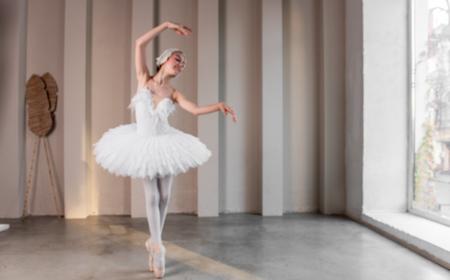
- Variety: The more styles you know, the more gigs you’ll be able to audition for, so explore a variety of dance genres, such as ballet, jazz, hip-hop, and contemporary.
2. Stay in shape, both physically and mentally.
Backup dancing is demanding, and rehearsals and performances can be grueling. You’ll need a robust store of energy, stamina, strength, and flexibility to keep up—not to mention a resilient mindset.
- Cardio and strength: Keep your body conditioned with workouts that build endurance for both catabolic (cardiovascular: running, jumping, and, of course, dancing) and anabolic (muscle-building: squats, deadlifts, bench presses) exercises.
- Mental health: Stay motivated and manage stress through meditation, yoga, journaling, or whatever keeps you centered and positive.
3. Use social media to your advantage.
Social media isn’t just for posting selfies and responding to dance challenges; it’s also a tool for making important connections.
- Connect: Follow agencies, dance studios, choreographers, casting directors, performers you’d like to work with, and other backup dancers—particularly on video-sharing platforms like Instagram, TikTok, and YouTube.
- Showcase your talent: Post your dance routines with relevant hashtags such as #backupdancer, #backgrounddancer, and #supportingdancer to increase your visibility.
4. Network.
Do your best to build relationships with other industry professionals, since landing a gig is often more who you know than what you know.
- Events: Attend local dance workshops and conventions, socialize, and stay in touch with the people you meet.
- Groups: Join relevant Meetup groups, clubs, and professional organizations like the American Guild of Musical Artists (AGMA) and Dance/USA to further build your network.
5. Gather your materials.
Take some time to polish your résumé and demo reel before applying to backup dancer gigs.
- Dance résumé: The résumé provides a rundown of your dance experience, training, education, special skills, awards, and a dynamic headshot or action photo.
- Dance demo reel: The demo reel is a two- to three-minute video that highlights your best moves across a variety of dance styles.
6. Put your best foot forward at auditions.
Auditions are a major part of a backup dancer’s life, so you need to know how to find them and make an impact in a small amount of time.
- Find auditions: Search for dance auditions on our comprehensive casting call database.
- Master the art of auditioning: Show up to auditions wearing the right attire (usually form-fitting clothing) and carrying a fully packed dance bag. Ensure you know every last step if you’ve been provided with choreography, and bring your personality to the audition room. Beyond killer moves, casting directors and choreographers want to see someone who exudes charisma and confidence.
 6 Dance Audition Tips to Help You Ace Your Next Tryout
7. Be professional on the job.
Once you’ve landed a gig, treat it as the steppingstone it is by showing up on time, being respectful, and putting in the effort.
- Take direction well: Choreographers want dancers who listen and can adapt quickly.
- Be a team player: Backup dancing is about the collective performance, not individual stardom, so pay attention to your fellow dancers and remember you’re there to support the main act.
8. Persevere.
Becoming a backup dancer takes dedication, resilience, and an undying passion for performing. From training in various dance styles to building connections and seizing every opportunity, your journey to the stage is about more than just moves; it’s about the drive to succeed and the joy of being part of something bigger. Embodying the following qualities can help you on your journey:
- Adaptability: Be ready to switch styles or learn new choreography quickly.
- Patience: Not every application will lead to an audition, and not every audition will lead to a gig. Learn to handle rejection, be patient, keep pushing, and you may just find yourself landing the part.
- Passion: The energy you bring to the stage will set you apart, so let your enthusiasm for dance shine.
1. Tina Landon
Landon is a legendary choreographer and backup dancer who helped define the dance landscape in the ’90s. Best known for her collaborations with Janet Jackson, Landon has also worked with stars including Prince and Ricky Martin. Her sharp, precise moves can be seen in Jackson’s “Rhythm Nation.”
2. Omarion
Omarion started as a backup dancer for the girl group Before Dark prior to launching his career as a lead singer in B2K and later as a solo artist. His smooth dance style and onstage charisma helped pave the way for a successful transition from dancer to R&B star.
3. Jennifer Lopez
Before she was Jenny from the block or half of the perpetually on-again, off-again Bennifer, J.Lo got her start as a backup dancer for New Kids on the Block and Janet Jackson. Her breakthrough moment as a dancer came when she showcased her dance skills in Jackson’s “That’s the Way Love Goes” music video.
4. Chris Grant
Grant was hired as a backup dancer for Michael Jackson’s “This Is It” tour; although the tour was canceled due to the singer’s death, Grant was able to pivot by portraying Jackson for a tribute concert. He’s since become a major figure in the dance world, and is particularly renowned for his collaborations with Beyoncé, including choreographing the music video for her 2016 song “Formation.”
5. Bryan Tanaka
Tanaka has danced for global superstars including Rihanna and Mariah Carey, and even dated Mariah for years (who can forget that onstage lap dance to “Touch My Body”?). Beyond his work as a backup dancer, he’s also a professional choreographer and actor.