
Jason Isaacs has a bone to pick with “The White Lotus” creator Mike White. On Season 3 of the HBO drama, the British actor stars as wealthy North Carolina businessman Timothy Ratliff, who learns during a family vacation in Thailand that prison likely awaits him upon his return home.
Isaacs has earned his first Emmy nomination for the role. So what’s his issue with White?
“I’ve complained to Mike a few times that he’s fucked me, because I keep waiting for something as good as his writing to arrive in my inbox,” Isaacs says. “Everything else pales in comparison.”
What initially drew you to “The White Lotus”?
Tim goes from having everything to having nothing, to wanting to die, to wanting to kill the people he loves, to having a spiritual redemption—and you don’t get that very often. This was going to take me to a very uncomfortable place in a way that I crave.
 How the CD for ‘The White Lotus’ Builds the Show’s All-Star Ensemble Season After Season
 How did you find the audition process?
Fucking awful. [Laughs] I don’t audition much because people ask me to do things they’ve seen me do before, which are never the things you want to do. So it’s great to be asked to play something unfamiliar.
But I haven’t gotten any better at not projecting an air of panic. I always want another take, thinking one more might persuade them. So it was anxiety-inducing—and made a lot worse by producer David Bernad telling me beforehand that I was the only person reading so I shouldn’t feel worried.
You went to school to be a lawyer, but when did you know you wanted to be an actor?
I still don’t know! Three weeks into university, I auditioned for a play, only because I was drunk and saw a sign saying, “Can you do a northern accent?” And from the very first second, I thought, This is the most stimulating, honest thing I’ve ever done.
When it was time to leave university, I still wasn’t going to do it for a job, but people were auditioning for drama schools, and I’m quite competitive. I went for a recall [at the Royal Central School of Speech and Drama], and a very tall, well-spoken woman said, “We’d like you to come here.” I was absolutely gobsmacked and didn’t know what to say. She suddenly went very red-faced and said, “I hope you’re not fucking us around, young man. Thousands of people apply for these fucking places.” I was so thrown that I said, “No, of course not.”
I left and thought to myself: Have I just changed the course of the rest of my life because it’s what I want to do, or because a posh woman said “fuck” at me twice? Forty years later, I’m not sure.
Do you have a specific approach to your preparation?
I do as much research as possible—and then I forget absolutely everything. Don’t plan anything. Cross out all the words in the script that tell you what the [character’s] feeling. Arrive as an empty vessel. On set, it might look like I’m the most amateur person there, because I’ll be joking around, trying to stay loose, and I often don’t know the words very well. I’ve got the sides in my hand, but I don’t want to know every word. I want to be reaching for it, finding it. And I certainly don’t want to know what I’m going to do in the scene until I feel alive in
the moment with the
other actors.
So my preparation is to prepare everything except the scene, and to have no idea whether I’m going to cry, laugh, or be indifferent. Some days you can’t find it, and it’s the risk you take.
What performance should every actor watch?
Don’t watch any performances. Watch documentaries. Watch life. Watch people. Don’t ever watch another actor to [find] what you should do. Find real life as inspiration and let that seep in.
This interview has been edited for clarity and length.
This story originally appeared in the August 18 issue of Backstage Magazine.
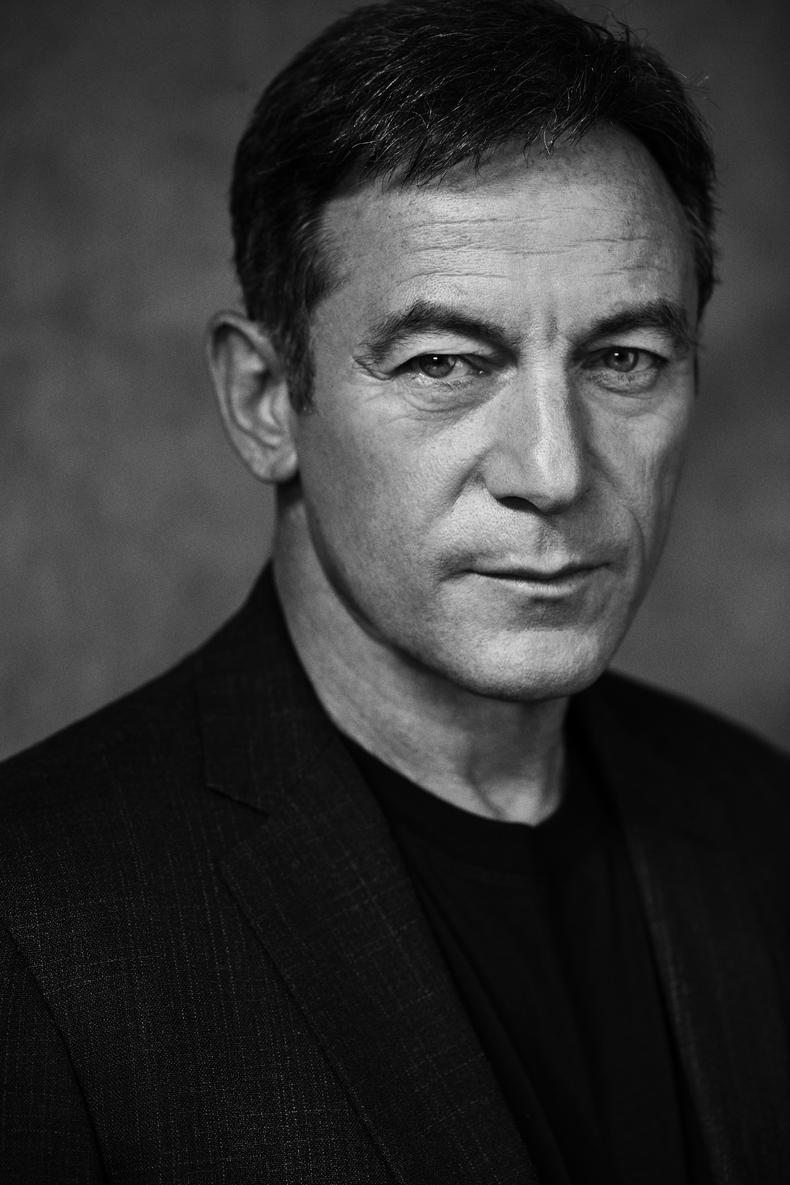
Isaacs headshot: David Reiss