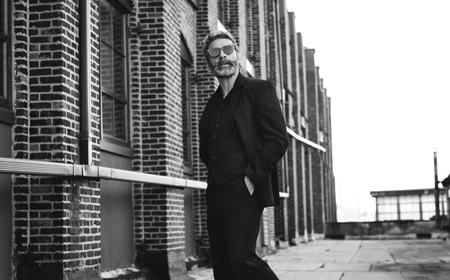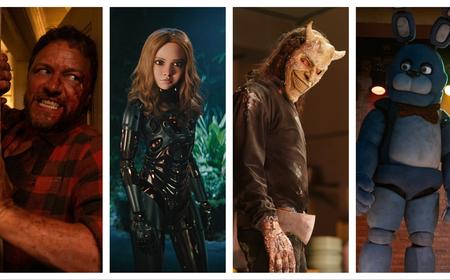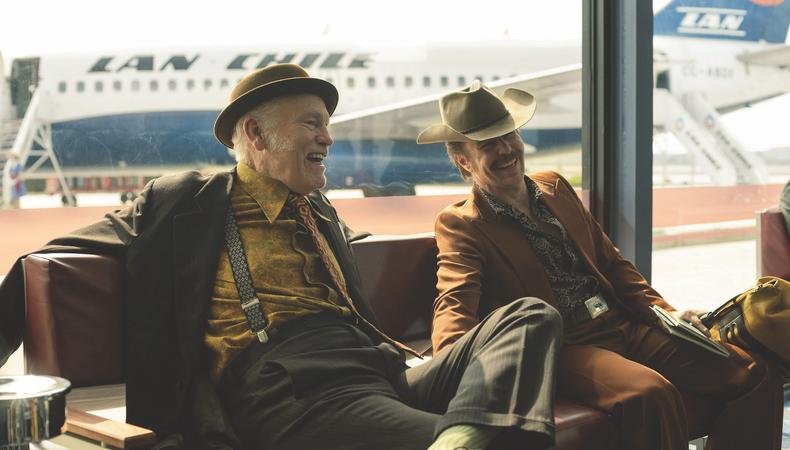
You might know her as Marvel’s go-to casting director, but in between finding our favorite superheroes, Sarah Finn lent her visionary eye to “Wild Horse Nine,” the latest dark comedy from Martin McDonagh. Starring John Malkovich and Sam Rockwell as CIA agents on Easter Island during the 1973 Chilean coup, the film stretches far beyond a standard political satire. It’s an emotional journey that relies heavily on Malkovich’s raw vulnerability and Rockwell’s exceptional listening skills. Here, Finn breaks down how she built one of the year’s most anticipated ensembles and what actors can learn from these standout performances.
“Wild Horse Nine” is really a beautiful sunset story, and people are saying John Malkovich gives the performance of his career. As a casting director, how much do you consider where an actor is in their actual life journey?
I think it all goes together. Where they are in their human development and their emotional maturity and the way that they experience things is so much an intrinsic part of how they’re going to play a character. And with John, this is a very different role for him, but in a way, it’s a perfect opportunity for him to bring together so many qualities, including ones that we haven’t often seen from him onscreen.
Critics are also praising Rockwell as the perfect scene partner for Malkovich, particularly in the way he listens and gives him space. When building an ensemble, how do you find an actor who can hold the screen without dominating it?
Casting with Martin, you need a really top-notch ensemble. Looking at both of their bodies of work and understanding the kinds of actors they are, the kinds of material they lean into, and the way they work, we knew Sam could be a great scene partner for John and shine in his own right. We’ve seen Sam Rockwell be manic, verbal, and kinetic in so many different ways onscreen. For him to be equally powerful in moments of silence, understanding and listening, is almost a new high bar for him to set in his career.
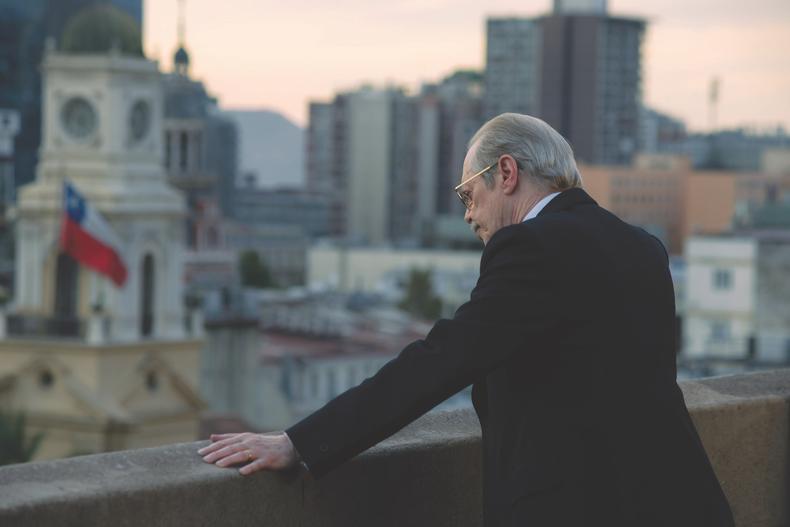
Steve Buscemi plays the CIA bureau chief MJ, but Mark Ruffalo was originally attached to the role. What does such a massive shift reveal about how much a character can evolve before the role is cast?
Every actor makes the part their own, and Steve came to the screen in a way that you almost can’t imagine anyone else doing. Our job when we start is to think widely and think expansively and have these conversations with Martin. Like, [the character is] written at a certain age. Could he ever be in his 30s? Could he be older? Where does he sit in terms of the relationship to both Sam Rockwell’s and John Malkovich’s character? What’s their history, and how does that inform what the actor’s age is going to be? Until the role is cast, until we find that perfect person, it is somewhat evolving. There are times when a writer-director has a very specific idea of how a character should be, and there are other times when they are open. Our job is to listen and understand where there’s room and where we really need to stick strictly to whatever’s written on the page
Beyond the main American cast, the film brings in some amazing international talent. What advice do you have for international actors trying to adapt to a director with such a distinct style?
The best and truest thing you can do is bring your own sensibility and your own work to the table. It’s almost impossible to know what someone else wants, but if you understand their work and you know their history, then you will be further along in building a connection.
What advice would you give an actor trying to land a role in a Martin McDonagh film?
Martin is so distinctive. A lot of actors are familiar with his work as a playwright, and reading amazing plays like “The Pillowman” or watching his movies like “In Bruges” and “The Banshees of Inisherin” is a great entry point for understanding his sensibility. If you’re looking to work with him, immerse yourself in this beautiful, darkly brilliant mind…. What I always come back to with Martin is [his] humanity. I’m blown away by how he can take unsavory characters and find a way to make us care about them. You’ll truly see that redemption in this film.
“Wild Horse Nine” is already generating Oscar buzz. With the new Oscar for casting, I’m curious: From your perspective, do you think the award has changed the audition room at all?
It’s so new that I think we’re all still getting used to the idea that this exists. So in terms of actors auditioning, no, I think their job is to come in and do their best. And does it change it for us? No. We’re literally just in the moment. We’re in the present and trying to find that perfect person.
There’s just an air of celebration about it, that the recognition is meaningful for people; whoever gets nominated, we’re all happy.
What can actors do to try to get in front of a casting director like yourself?
We absorb and read and look at everything we can. We see as much as we can. So I would say the best way is to just keep putting yourself out there, because one of the projects you’re in is going to grab our attention, and then we will start looking for you.
This interview has been edited for clarity and length.
This story originally appeared in the Oct. 19 issue of Backstage Magazine.
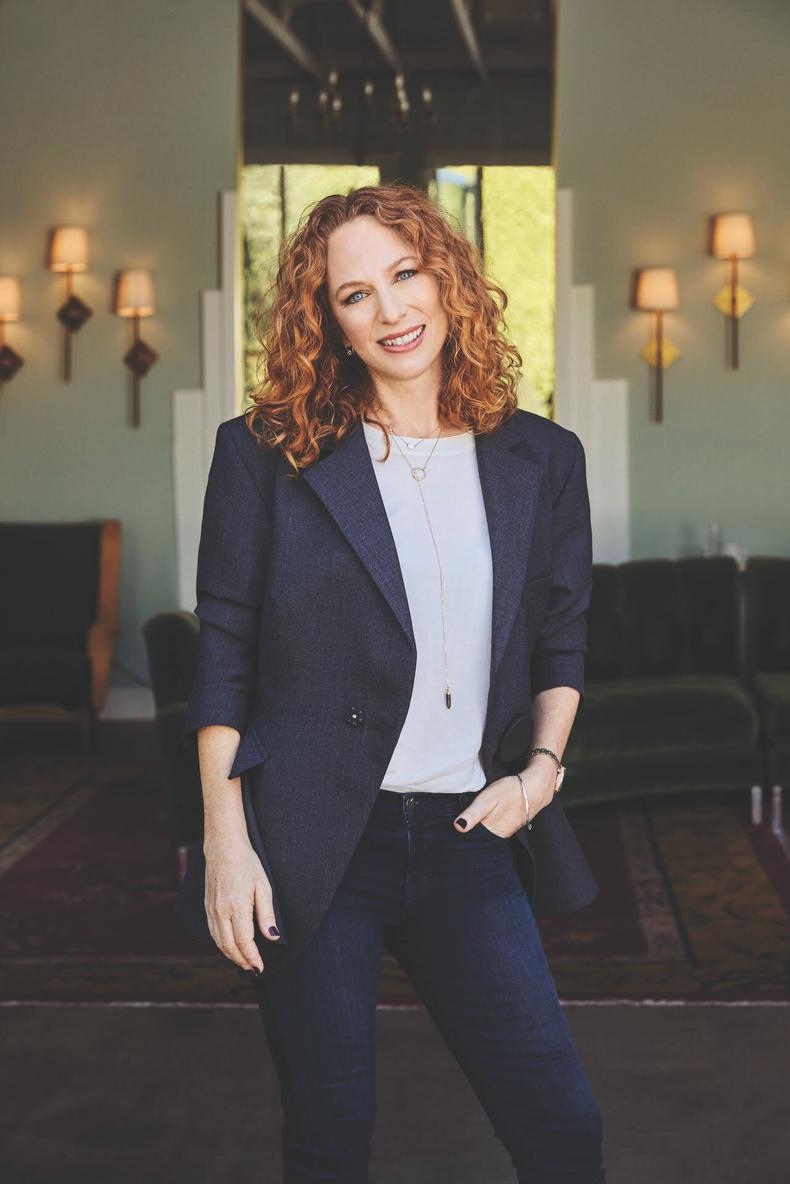
Finn headshot photo credit: Sami Drasin