
In 1998, hundreds of New Yorkers gathered in Times Square to peer up at the giant screen overlooking one of the most famous intersections in the world. They were watching not a sporting event, a news story, or a political speech, but the series finale of “Seinfeld.” In fact, 76.3 million people throughout the nation watched the season finale of the sitcom about nothing. Why? Great sitcoms make audience members feel a part of the gang. Characters become friends, with stories so relatable that viewers can’t help but follow them over episodes and seasons.
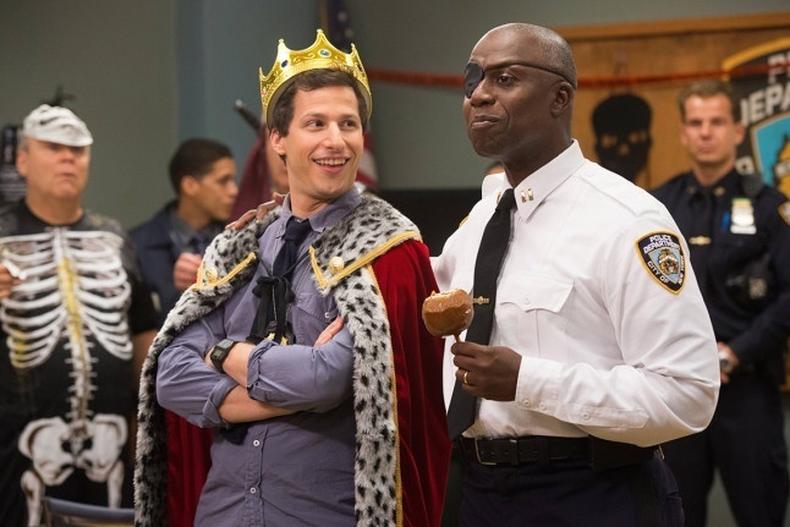
“Brooklyn Nine-Nine” Courtesy Fox
The sitcom is a genre of television centered around a fixed set of characters who carry over from episode to episode. Sitcoms are typically set in common, everyday environments—such as family homes, workplaces, or schools—where characters find themselves in comical situations. The term “sitcom” is a shortened version of “situational comedy,” which highlights the genre’s focus on humor derived from social situations and character interactions.
The historical origins of sitcoms trace back to radio shows in the 1920s and ’30s before they transitioned to television in the 1940s and ’50s. With their focus on family and social life, early sitcoms like “I Love Lucy” and “The Honeymooners” set the stage for the genre. Over the decades, sitcoms have evolved, reflecting changes in societal norms, demographics, and humor.
The 6 characteristics of sitcoms
1. Short: An episode of a sitcom typically lasts 20 to 30 minutes. This run time allows writers to deliver quick, full narratives that can hold the audience’s attention without overstaying the welcome. There’s ample time for a setup, rising action, and climax, with enough room to explore the characters.
2. Serialized: Sitcom narratives usually center around a few main characters who are linked together by specific circumstances. Workplace sitcoms pinning unlikely characters together include “Scrubs,” “Parks and Recreation,” and “30 Rock.” Other sitcoms focus on a group of friends, such as “How I Met Your Mother,” “That ’70s Show,” and “It’s Always Sunny in Philadelphia.” Families, neighbors, and study groups (à la “Community”) all provide means for writers to create the story engine of ongoing sitcoms.
3. Cohesive: Writing a sitcom entails comprehensive world-building. Central characters are supported by recurring characters who appear less frequently but help create a cohesive universe for the show. Recurring locations also create a sense of continuity.
4. Relatable: The genre typically relies on relatable or at least familiar circumstances. Relationships, work, and family are popular themes that resonate with a wide audience.
5. Funny: Sitcoms serve as a springboard for comedy, allowing writers to explore everyday issues through humor.
6. Recognizable: In the past, the visual characteristics of sitcoms—such as multiple cameras, laugh tracks, and fixed sets—made them distinct from other genres. However, as sitcoms have evolved, so has their visual style. Single-camera sitcoms like “Brooklyn Nine-Nine” and “Modern Family” ditched the laugh track for a mockumentary style that has become popular among modern sitcoms (more on this evolution later).
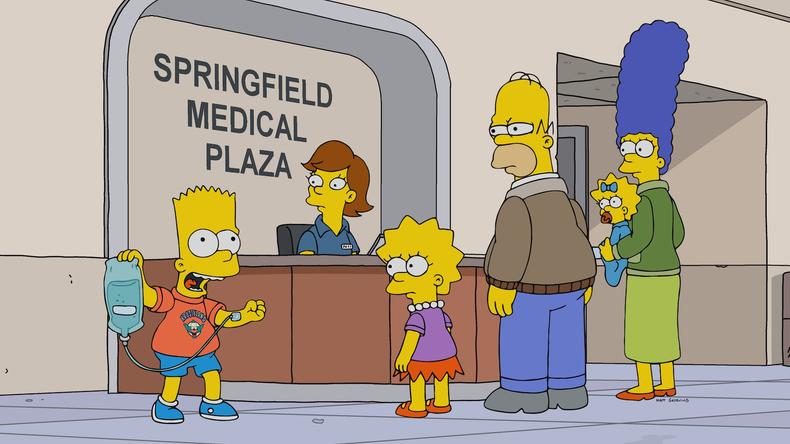
“The Simpsons” Courtesy Fox
The best sitcoms of all time have cemented their places in television history and become staples of popular culture. Sitcom references in conversations, superfan trivia nights, and viral scene compilation clips prove how much viewers love TV shows like the following:
- “Cheers” (1982–1993): This show depicts a friendly bar in Boston where a group of locals meet to drink, relax, and socialize. Though the plot is seemingly simple, its relatability made it one of the most beloved sitcoms of all time. It also set the stage for the golden age of sitcoms by showing how relatable characters and circumstances can deeply connect with audiences.
- “Seinfeld” (1989–1998): “Seinfeld,” which began in 1989, transitioned into the prime-time slot previously held by “Cheers” in 1993, marking a pivotal shift in the television landscape. This change represented a new era for NBC’s evening lineup by passing the comedic baton from one iconic show to another. By taking over this coveted time slot, “Seinfeld” cemented its place in television history, heralding the beginning of its reign as a prime-time comedy giant.
- “Friends” (1994–2004): The 10-season sitcom “Friends” was deemed by many as the rival sitcom to “Seinfeld”—you were either a “Seinfeld” person or a “Friends” person. While the breakdown isn’t quite so black-and-white, the differences between the two sitcoms are pretty clear. Plus, “Friends” never beat out the viewership numbers of “Seinfeld” (few shows have to this day), but it has proven to be a timeless show for its millions of superfans.
- “The Office” (U.S., 2005–2013): In 2020, more than seven years after its season finale, Netflix revealed that “The Office” was the most-watched series on the streaming platform. The show’s slow-burn romance, ridiculous characters, and mundane, relatable workplace have brought back viewers for their second, third, and fourth watches.
- “It’s Always Sunny in Philadelphia” (2005–present): The sixteenth season of “It’s Always Sunny in Philadelphia” kept the gang ranked as the longest-running live-action sitcom on television. The show’s absurd plotlines and characters have allowed it to go in a seemingly infinite number of directions. Will the gang return for more? If there’s one thing we’ve learned from “It’s Always Sunny,” it’s that anything is possible.
- “The Simpsons” (1989–present): As the longest-running animated sitcom, “The Simpsons” has become one of the most popular television shows of any kind around the world. Its animated form not only allows characters to live forever but also allows writers to explore the limitless plot possibilities of the “Simpsons” universe.

“Ramy” Courtesy Hulu
Sitcoms aren’t dead, but the genre has evolved. It has undergone significant changes over the decades in both quantity and format. In the past, network television dominated the sitcom landscape, with a limited number of channels offering a more concentrated selection of series that could gain massive popularity and cultural impact.
Today, the explosion of streaming platforms has vastly expanded sitcoms’ territory while simultaneously fragmenting it. This fragmentation means that modern sitcoms may reach a different, less universal viewership than those in the past. It also means more creative freedom, more room for diverse voices, and more space for innovative storytelling techniques. Modern sitcoms like “Atlanta,” “Fleabag,” “Ramy,” and “Abbott Elementary” are all products of this new era of sitcoms.
Job prospects within the genre have similarly evolved. With an increased number of platforms demanding content, there is a greater need for writers, actors, directors, and other production staff. However, the competition is also fiercer. Writers’ rooms are notoriously hard to break into, and becoming a successful comedy actor on television is more difficult—and has greater prestige—than ever before.
Sitcom-adjacent media, including animated series and dramedies, have gained popularity, blurring the classic definitions of a sitcom. Shows like “BoJack Horseman” and “Master of None” challenged traditional genre boundaries, incorporating elements of drama, satire, and auteur filmmaking while adhering to the situational comedy ethos at their core.
If you think of sitcoms solely as the multi-camera, laugh-track-laced shows of the past, you might think the genre is obsolete. But a closer look at some of today’s top TV series reveals that the core elements of sitcoms are still going strong. Characters, scenarios, and stylistic choices continue to evolve, expanding the sitcom format and exploring new storytelling possibilities.