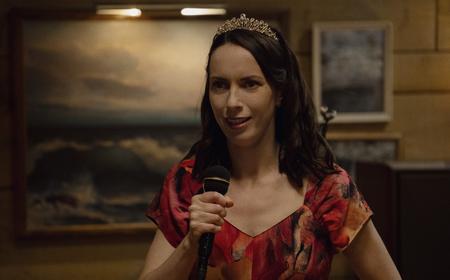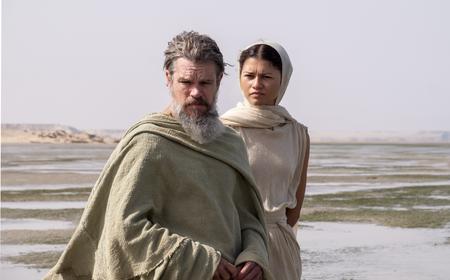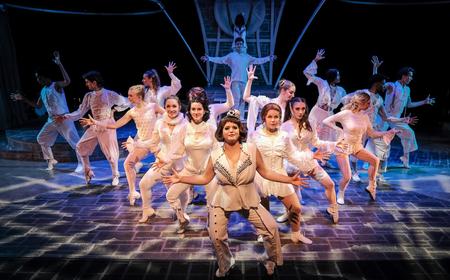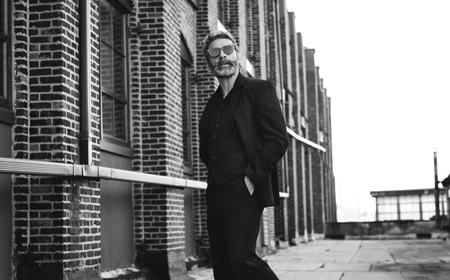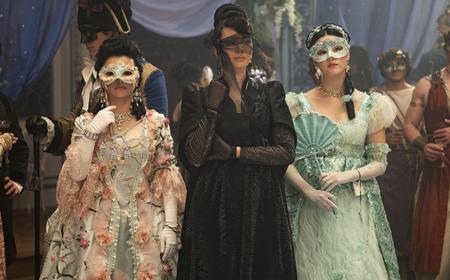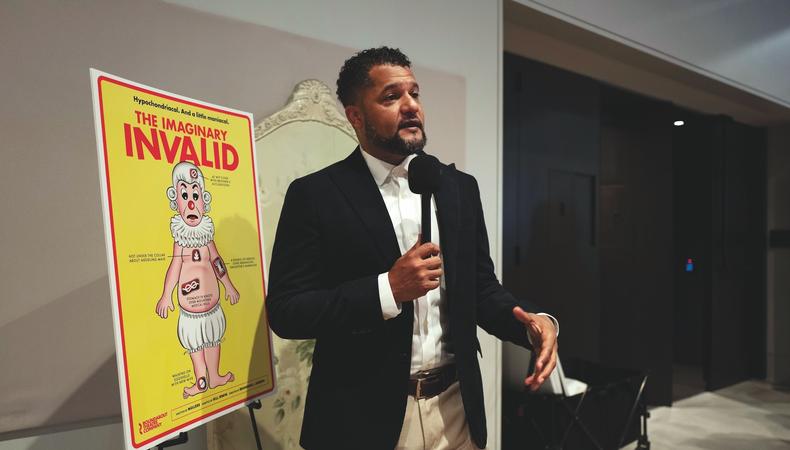
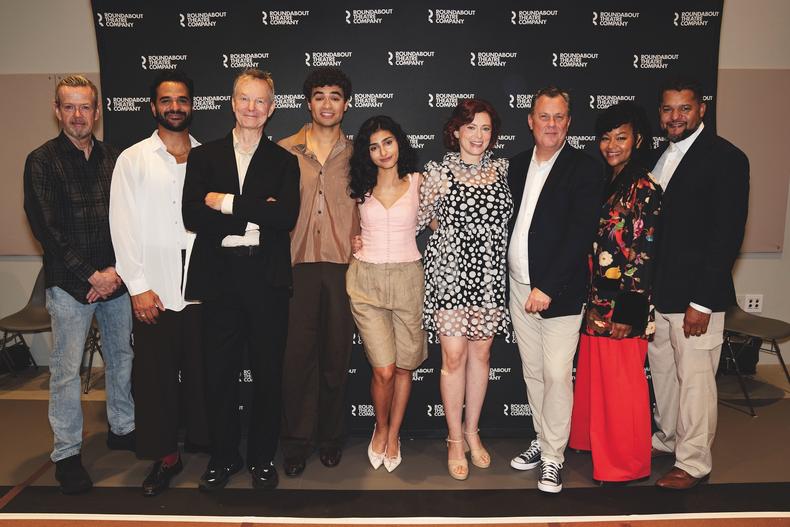
As he has moved between acting, directing, and teaching, Brandon J. Dirden has always thought of himself as a lifelong student. Now the Tony-nominated actor (“Waiting for Godot”) is making his Broadway directorial debut with a project rooted in his work as an educator at NYU’s Tisch Graduate Acting program. His new staging of Molière’s hypochondriac comedy “The Imaginary Invalid,” adapted by Tony-winning actor and playwright Bill Irwin, began life as a revival he directed with a cast of NYU students. He has since moved it to Broadway, with a cast that includes Irwin, Rachel Bloom, Brooks Ashmanskas, and Dylan Baker. We caught up with Dirden during rehearsals to discuss what directing has taught him about acting and the value of staying curious as an artist.
What about this “Imaginary Invalid” adaptation appealed to you as a director?
My bread and butter for the first couple of decades of my career had been more kitchen-sink dramas and August Wilson plays. So with “Godot,” being able to work in Theater of the Absurd, I was able to really see the value in expanding as an artist. What we’re going for with this production is a handshake with history. It’s not enough for me to see a historical piece and appreciate it for being classical. I have to work under the assumption that because it’s still around 350 years later, people are still finding something useful in it.
Molière is often credited as being kind of the father of the modern-day sitcom. So taking a look back at its structure and form was very interesting to me—and using that to see our present-day foibles as humans. Everything is a cautionary tale. And so looking at this comedy is an opportunity to hold that mirror up and say, “Hey, guys, we’re being absolutely bonkers. What can we do about this?”
What did the NYU production help solidify ahead of the Broadway run?
The best news that we received is that Bill’s adaptation works. It played like gangbusters, and that’s in no small part due to these incredibly talented students.
The other thing that I learned specifically is that this play works best with an ensemble. We were able to lean into that at NYU because we had actors in the cohort that were operating as a company. So in putting together the Broadway production, I knew I needed to focus on that as well. [In the NYU production] we had a couple of actors who played multiple roles. In our Broadway production, that’s rejiggered a little because I wanted to highlight different things, but also the NYU casting assignment was about serving the needs of those students. So some of that was reconfigured for the Broadway production because we’re thinking about what’s in service of the play, not just the actor training.
How does your work as an actor inform your work as a director?
It’s helped me to stay in my lane as an actor. Once I started directing, I was able to actually release some of those obligations that I was unfairly putting on myself as an actor, because I understood how important it was to give the director that space without my editorializing. Not that I was ever a difficult collaborator, but I was able to quiet those other voices because
I understood the totality of what a director is managing. When I started directing, I became much more generous with the directors that I work with as an actor. I like to think that because of my acting background, I trust actors implicitly.
And my job as a director is to partner with an actor on how they best want to handle this role or this text or this situation. We come in with so many obstacles, and I just want to remove them so you can be free to do the thing that you do.
Does being a teacher factor into that as well?
I think a lot of times being a teacher is demystifying the process of acting. By the time you get to grad school, you have undergraduate training more often than not, but you have a couple of decades of life under your belt, and we get these ideas about what acting is at different levels. Broadway acting might seem different from the school play, but it’s not. My hope, much like what I try to offer as a director, is to create an environment where you can be free. My job is to help you make that as clear as you possibly can, with as much authority as you possibly can muster, so you can have the confidence to go and be of real value to whatever room you’re in. Sometimes that’s about teaching students how to ask the right questions more than giving them any kind of answers.
What are the biggest things your students can bring into the room to get the most out of the grad program?
Curiosity. Not just for the teacher, but for their cohort members. You have to be curious, or else you’re just going to miss too many opportunities to grow, to find a lane you didn’t know you had a passion for. Even when you’re not looking, when you’re curious, things will find you. And the most essential part is trusting the process. I think I’m my best artistic self—whether that’s as a teacher or a director or an actor—when I think I’m right but know I may be wrong. A big part of the training is accepting that it’s never going to be finished. I also tell my students, “You’ve got to make it personal. You just can’t take it personally.” Everything you make has to come from you. You’ve got to use what you’ve got, but you cannot take it personally when someone doesn’t receive it the way you think they ought to receive it.
This story originally appeared in the Oct. 19 issue of Backstage Magazine.