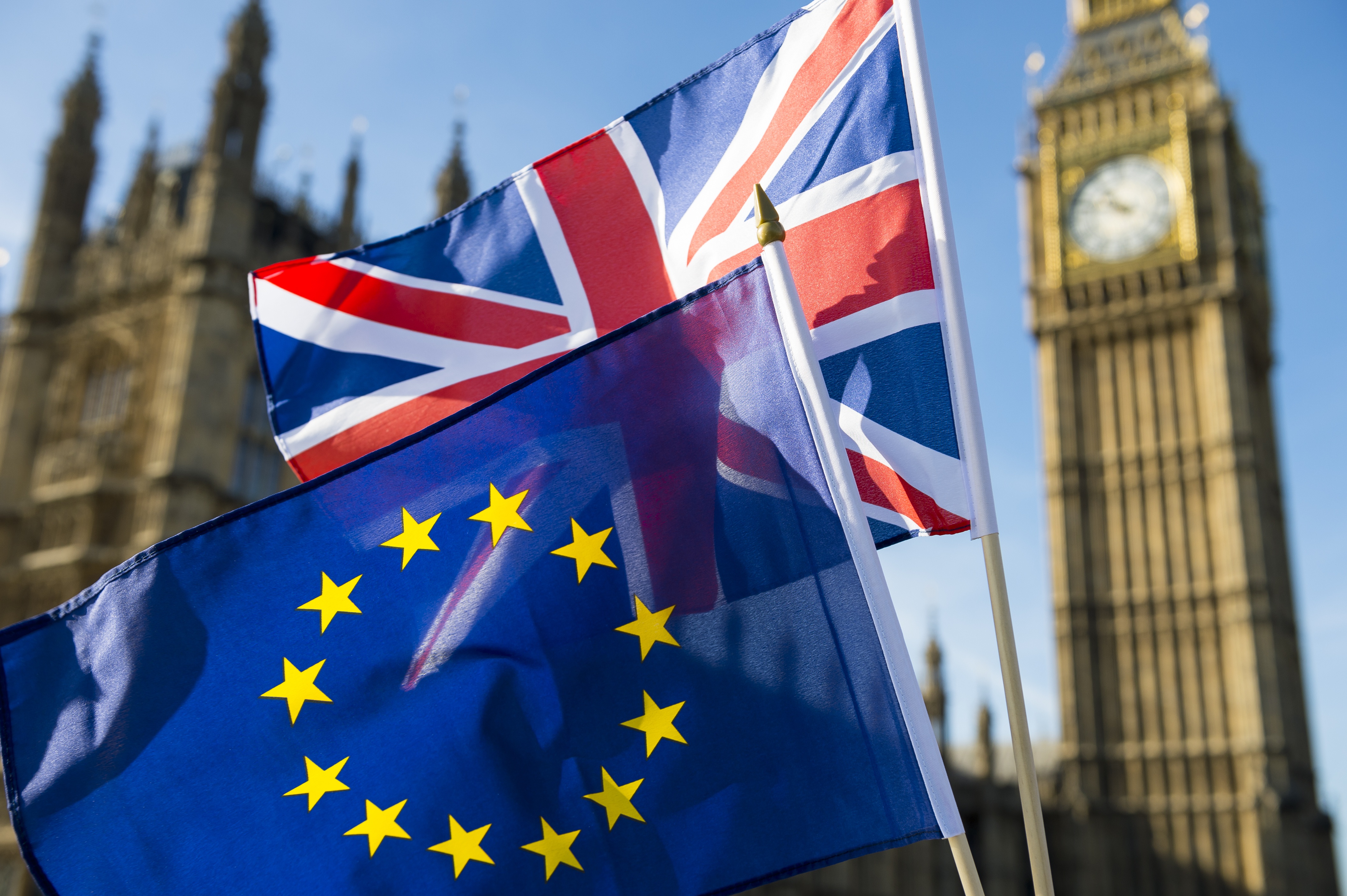
With an end to lockdown looming, industry eyes are now looking towards spring shooting and touring schedules, but they come with a major headache: the byzantine world of post-Brexit visa restrictions.
A year ago, UK performers were free to work anywhere in the EU visa-free. That all changed when Brexit kicked in last month; and now, an actor planning to film in Barcelona or perform in Paris could take anything up to three months to receive a valid visa. With an industry as internationally fluid as screen and stage production, it is creating a nightmare situation for actors and producers alike.
In January, Equity’s deputy for the general secretary (campaigns, policy & communications) told Backstage: “The biggest change is that our members will not be able to travel and work freely across the EU 27. They will require work permits.”
 How UK Actors Are Grappling With New Brexit Restrictions
 And in an open letter organised by Equity this week, members of the UK acting and performing industry addressed Prime Minister Boris Johnson directly on what they are calling “a bleak time for British creative practitioners.”
With signatures from luminaries including Sir Ian McKellen, Julie Walters, and Sir Patrick Stewart, the letter states they are “passionate about our professions and want to keep working. But the current Brexit deal is a towering hurdle to that.”
Summarising the issue, they say: “Before, we were able to travel to Europe visa-free. Now we have to pay hundreds of pounds, fill in form after form, and spend weeks waiting for approval – just so we can do our jobs.”
Theatre tours affected
The National Theatre (NT) is also “shelving plans” for mainland European tours due to uncertainty over work permits because of Brexit, according to the Guardian.
Tours have, of course, been cancelled because of Covid, but plans to restart have now been affected by the need to apply for work permits and visas. An NT spokesperson said: “We’re currently unable to make firm plans because of Brexit legislation; the potential additional costs for visas and current uncertainty around social security contributions mean regrettably it is currently not financially viable.”
Screen production issues
Earlier this week, Lyndsay Duthie, CEO of the Production Guild, told the government’s Digital, Culture, Media and Sport Committee (DCMSC), that the new Brexit visa and work permit regimes are inflicting “huge delays” for producers on top of the nightmares caused by the pandemic.
Duthie said: “We talk about Spain as an example, to get a visa organised for that is taking two-to-three months. So for us to be filming, even in the spring, we wouldn’t have time for that. It’s being felt now.”
Huge value to the UK economy
The issues come against a backdrop of increasing value from the production and creative industries to the UK economy – worth, according to the open letter – £112bn each year. Spending on film and high-end television alone hit an all-time high of £3.62 billion in 2019, according to the BFI; and despite Brexit and Covid, investment into UK production studios continues to boom. While this provides the silver lining, it also sharply increases the stakes for the government to find a solution, and soon.
The form that solution is likely to take is a series of bilateral agreements between the UK and individual countries. UK culture minister Caroline Dinenage told the DCMSC hearing this week: “I think an EU-wide solution is going to be very complicated, because we have just spent many years negotiating the trade and co‑operation agreement, and there is not any appetite to reopen that.” She added: “The more likely success route is through negotiations with individual member states, not least because the biggest issue here is the work permit issue. That is very much within the gift of the individual member states, which is why we would be targeting our work there.”
Nevertheless, the open letter from the UK acting and performance community concludes:
“Prime Minister, we urge you to negotiate new terms with the EU, allowing creative practitioners to travel to the EU visa-free for work, and for our European counterparts to be able to do the same in the UK. Not acting now will do further and irreparable harm to the UK’s creative workforce, our industries and to our standing on the international cultural stage.”
More industry advice for UK actors? Click here.