If you’re a member of SAG-AFTRA, it’s voting time! The nominating committees of the Screen Actors Guild Awards have chosen the year’s top performers of film and television—a tough task, given all the terrific acting in 2019. We’ve gone ahead and rounded up the 50 individual contenders below for your consideration. Read on for your official cheat sheet to the SAG nominees and what makes each worthy of a coveted Actor statue.
OUTSTANDING PERFORMANCE BY A FEMALE ACTOR IN A COMEDY SERIES
Christina Applegate, “Dead to Me”
We no longer want to live in a world in which Applegate isn’t starring on our small screens. Luckily, Netflix’s “Dead to Me” is not only infinitely watchable but infinitely rewatchable, thanks in large part to Applegate’s glorious turn as a new widow on a mission to find her husband’s killer (not knowing that person is her new best friend), all while selling houses (fabulously, of course) and barely maintaining her sanity.
Alex Borstein, “The Marvelous Mrs. Maisel”
Borstein’s Emmy-winning Susie feels like a character we’ve never seen on TV. The contrast between the colorful uptown world of the Maisels and Weissmans and Susie’s dark, smoky downtown scene makes for the perfect comedic setups, out of which Borstein makes full meals. She keeps expertly walking the line between tough and vulnerable.
Rachel Brosnahan, “The Marvelous Mrs. Maisel”
Brosnahan began stealing the show as soon as Amazon’s Amy Sherman-Palladino series opened on its first scene: Midge Maisel making a speech at her own wedding. That told us everything we needed to know about the titular character. We never stop rooting for Midge through heartbreak, despair, denial, drunkenness, and, ultimately, triumph, and Brosnahan’s modern portrayal of a midcentury housewife is much of the reason why.
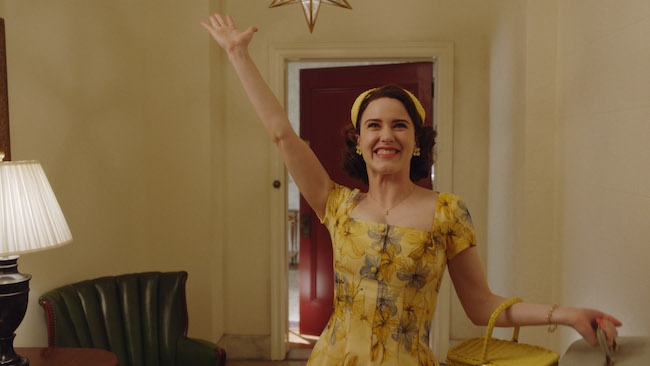
Catherine O’Hara, “Schitt’s Creek”
Much has been said about O’Hara’s iconic performance as Moira Rose, but we guarantee she’d have the oddest, most delightful way of saying it herself. Her line readings as the wacky, wig-wearing, past-her-prime actor suck up the spotlight every time she’s in frame. Entering her sixth and final season as the lovable, narcissistic 1-percenter, O’Hara leaves us wanting just two things: more Moira and more “Schitt’s Creek.”
Phoebe Waller-Bridge, “Fleabag”
Waller-Bridge didn’t invent the direct-to-camera delivery her show so brilliantly deploys, but watching her do it on Season 2 of “Fleabag” makes you feel like she did. Every confession, every inside joke—with us, her confidantes—is a wiggling, come-hither finger that entices. Even when she’s despicable and we know we shouldn’t fall in love with her, much like the Hot Priest, we can’t help ourselves.
OUTSTANDING PERFORMANCE BY A MALE ACTOR IN A COMEDY SERIES
Alan Arkin, “The Kominsky Method”
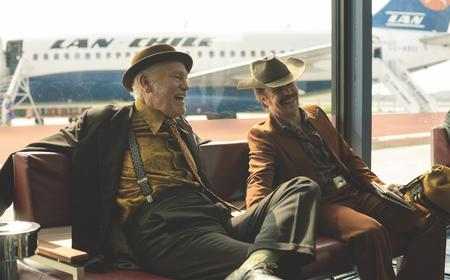
What makes Arkin a particularly remarkable presence onscreen is his ability to undermine his funnily sheepish demeanor with moments of heartfelt humility. Case in point: this new Netflix comedy from Chuck Lorre. The moments Arkin’s Norman Newlander is making us laugh are also when he’s most able to make us cry.
Michael Douglas, “The Kominsky Method”
Hollywood acting coach Sandy Kominsky has seen better days. Douglas, however, may be giving one of his best performances ever. He manages to demonstrate funny or touching chemistry with every one of his scene partners, including Sarah Baker, Nancy Travis, and the many actors playing Sandy’s students. And opposite Arkin, Douglas creates a kind of onscreen magic.
Bill Hader, “Barry”
Barry Berkman, a haunted veteran-turned-hitman who, in the midst of PTSD and depression, gets bitten by the acting bug, is a career-best role for the Emmy-winning Hader. HBO’s “Barry” allows the actor to use his comedic experience sparingly when a dash of relief is needed amid increasingly dangerous and increasingly absurd circumstances. Otherwise, it’s one of the most nuanced dramatic performances of the season.
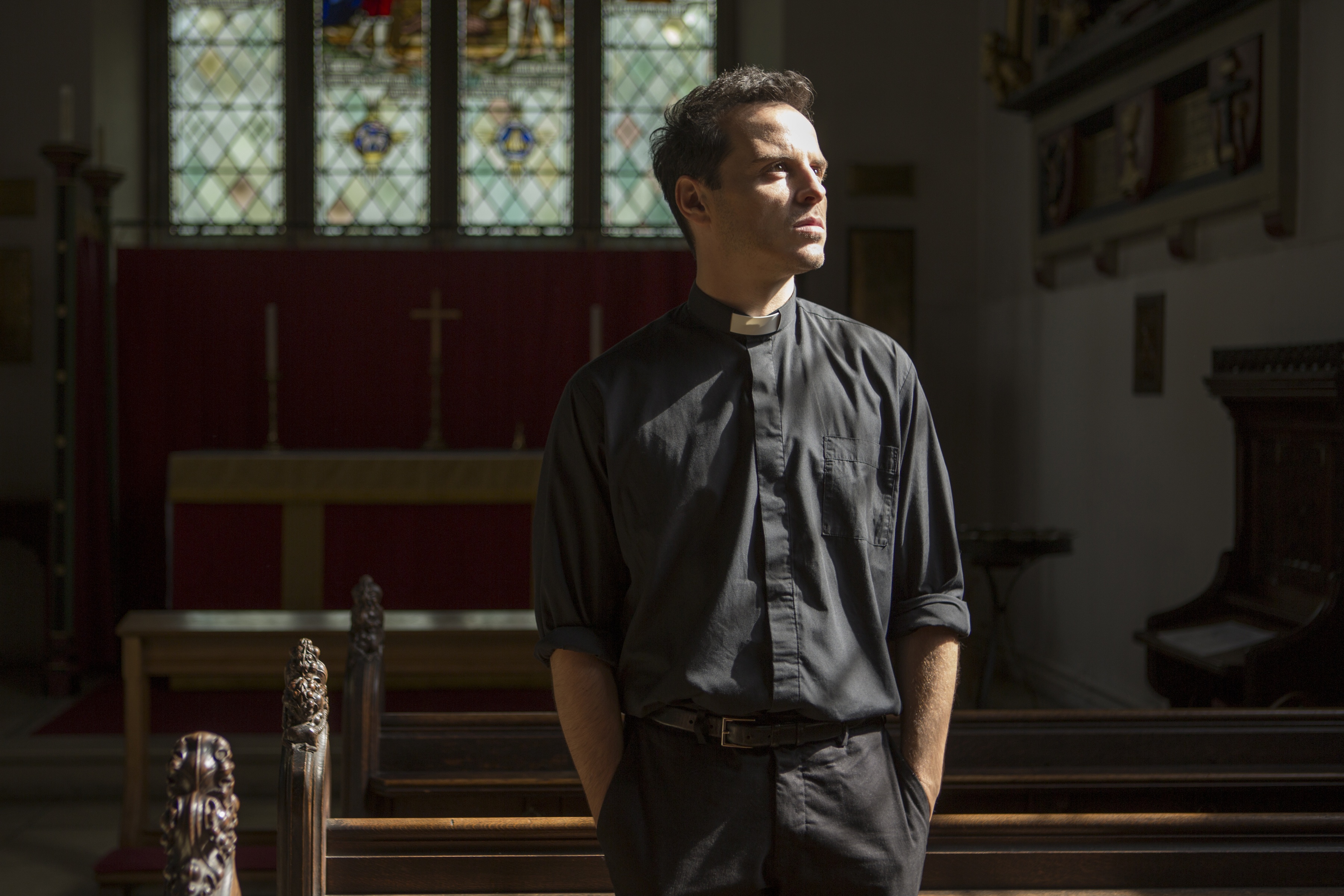
Andrew Scott, “Fleabag”
Known in the “Fleabag” universe as only the Priest, but known in the real world as “Hot Priest,” Scott set the small screen ablaze opposite Waller-Bridge. Their chemistry is so electric it could power a small city. The breakout star adeptly walked the line between hapless and tender (and, yes, hot), charting an inner crisis of faith without ever detracting from that of the season’s focal character.
Tony Shalhoub, “The Marvelous Mrs. Maisel”
The similarities between Shalhoub’s Abe Weissman and Brosnahan’s portrayal of his equally neurotic daughter are uncanny at times. Shalhoub gets some of the biggest laughs when Abe attempts to regain what he perceives as a loss of control of his regimented life—or when he’s determinedly stretching by a lake in the Catskills in the most absurdly perfect romper.
OUTSTANDING PERFORMANCE BY A FEMALE ACTOR IN A DRAMA SERIES
Jennifer Aniston, “The Morning Show”
What a fantastic return to form, and to television, is Aniston’s performance on Jay Carson and Mimi Leder’s “The Morning Show” from Apple TV+. The producer-star humanizes the otherwise heartless and power-hungry TV host Alex Levy without sacrificing her infectious charm and comedic timing. Even the way she almost breaks a phone by hanging it up is award-worthy.
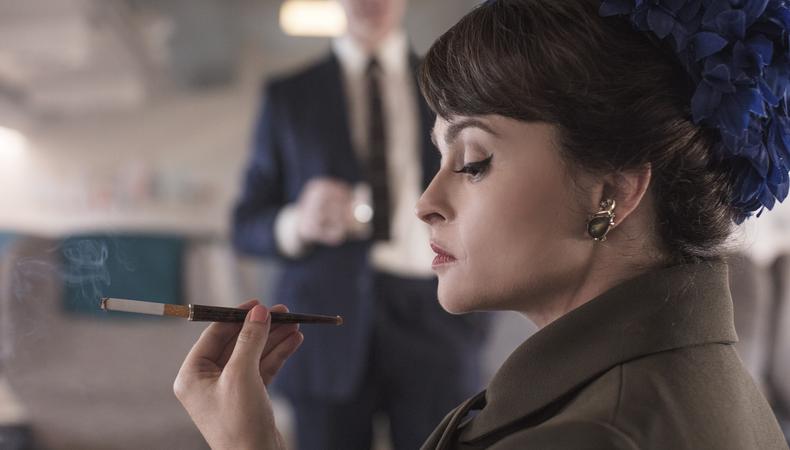
Helena Bonham Carter, “The Crown”
Taking over the role of Princess Margaret on Peter Morgan’s returning Netflix hit, Bonham Carter makes her the center of any room. Yet we still acutely feel the struggle of a neglected wife and sister in middle age. It’s a range of emotions that can veer into soap opera territory, but Bonham Carter maintains her humanity (and seemingly effortless sense of humor) throughout.
Olivia Colman, “The Crown”
Colman completely captures Queen Elizabeth II’s stillness and composure as soon as she appears on Morgan’s drama. From the accent to the posture, she smooths a first-of-its-kind casting transition and quietly commands authority over each scene. She can fill scripted silences with facial acting that expresses as much as a monologue.
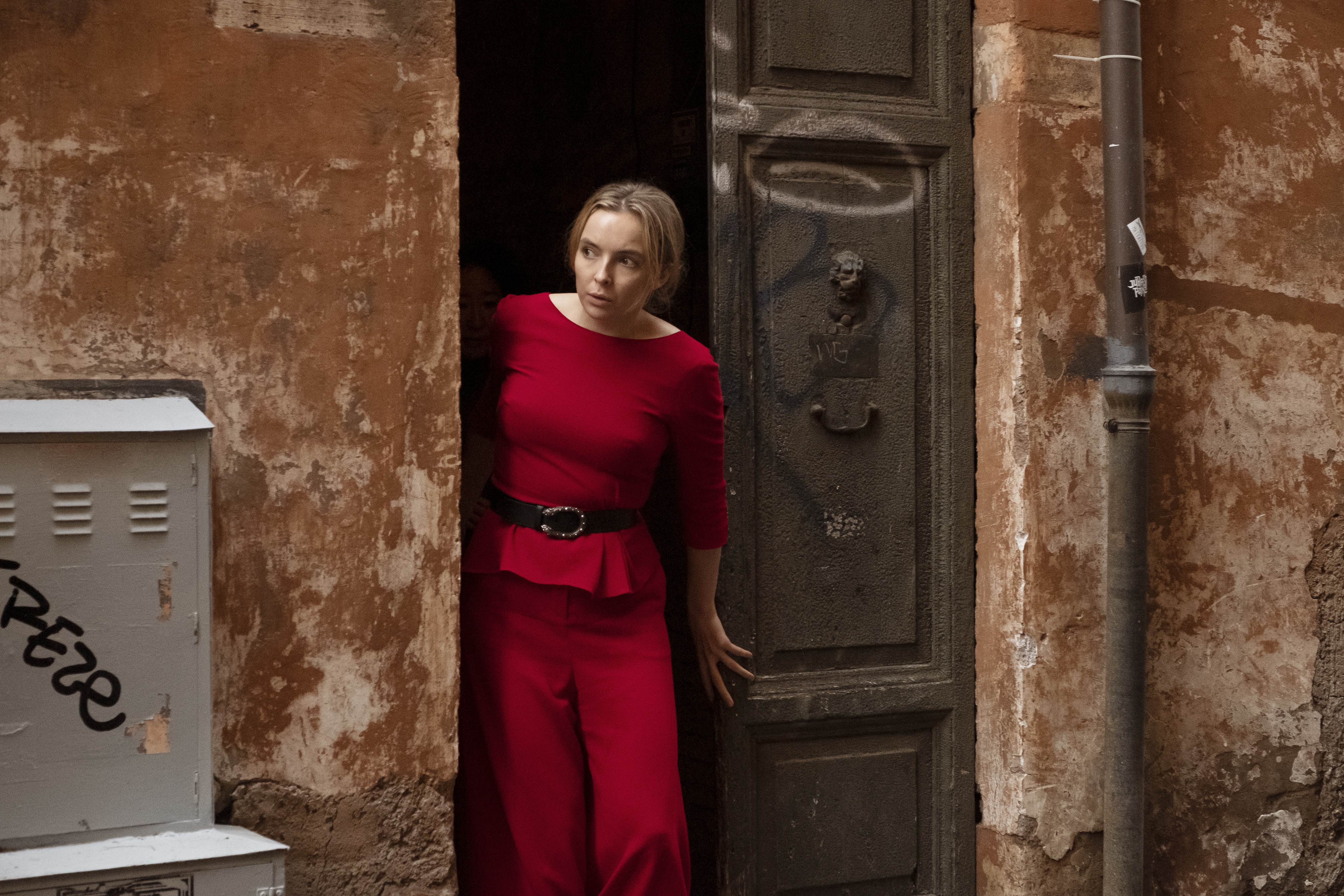
Jodie Comer, “Killing Eve”
Villanelle kills people. She’s good at it. She’s gorgeous. She’s completely heartless. (Or is she?) This jet-setting assassin challenges our every preconception of psychopaths; she’s assembling and enigmatic, someone who inflicts her deeply buried suffering on others but mostly yearns for the unexpected. As portrayed by the Emmy-winning Comer in one of TV’s gutsiest performances, Villanelle subverts expectations at every twist and turn.
Elisabeth Moss, “The Handmaid’s Tale”
Peering out from between the bone-white wings of her handmaid’s bonnet, Moss takes on the role of a lifetime, navigating the despair of an oppressive dystopian world with dignity and a wickedly dark sense of humor. The Emmy-winning producer-actor is at her most subtle when the stakes are highest, and watching her handle the pitfalls served up by the distressingly tangible Gilead remains revelatory.
OUTSTANDING PERFORMANCE BY A MALE ACTOR IN A DRAMA SERIES
Sterling K. Brown, “This Is Us”
You can’t look away from a performer like Brown, who can seemingly do no wrong. Playing the multifaceted Randall Pearson means the Emmy winner gets to preach the truth, have mental breakdowns, and, occasionally, throw out solid one-liners that reveal his superb comedic timing. He’s created one of the most enthralling characters on TV.
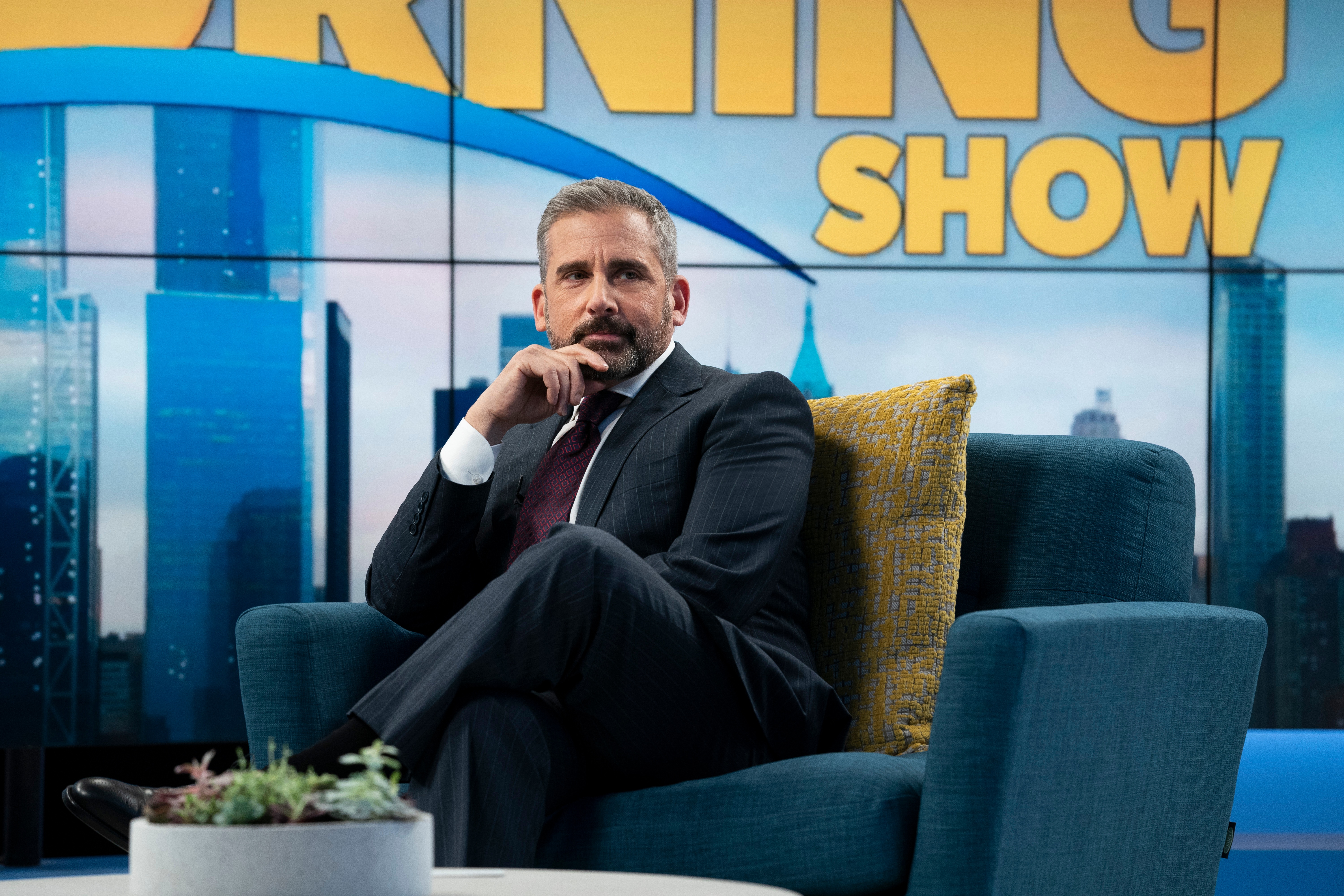
Steve Carell, “The Morning Show”
An example of both brilliant casting and fearless acting, Carell’s role as Mitch Kessler—fictional stand-in for any number of real-life male celebrities accused of sexual assault—makes for quite the return to TV after “The Office.” Carell is once again so astonishingly good at humiliating himself, but this time, given the drama’s real-life inspiration, the stakes are much higher; when Mitch gives in to his worst impulses, Carell doesn’t shy away.
Billy Crudup, “The Morning Show”
Rising network executive Cory Ellison has access to everything a man could possibly want—money, drugs, women—yet none of it interests him. He is the embodiment of privileged, powerful men; always consuming, always wanting more. “Chaos is the new cocaine!” he exclaims with wild-eyed glee. Crudup’s performance is so weirdly riveting, alternating between exhilarated hedonism and shark-like remorselessness, it demands a rewatch.
Peter Dinklage, “Game of Thrones”
On a series as unprecedentedly massive as “Game of Thrones,” we needed a reliably constant character—and performance—to ground us. Dinklage made Tyrion Lannister a riveting figure, suavely navigating fragile political truces without sacrificing humor to the last. The Emmy winner also has that rare ability to elevate his co-stars’ performances; it seems everyone has chemistry with him.
David Harbour, “Stranger Things”
Harbour is given juicy material on “Stranger Things”: an irascible, tough-guy character complete with a secret, mournful past. But his pure charisma and chemistry with co-stars like Winona Ryder are what elevate police chief Jim Hopper on the screen. Amid all the monsters and skin-crawling suspense, it’s Harbour’s well-balanced approach that legitimizes this drama. You get the sense that even reading a phone book, he’d be absolutely engrossing.
OUTSTANDING PERFORMANCE BY A FEMALE ACTOR IN A TELEVISION MOVIE OR LIMITED SERIES
Patricia Arquette, “The Act”
A 2019 Emmy winner, Arquette served TV audiences an-all-too-disturbing character likely to linger in their memory. On Hulu’s based-on-a-true-story miniseries, she disappears into the role of Dee Dee Blanchard, a mother suffering from Munchausen by proxy. Her lived-in portrayal of this mental illness can be equal parts agonizing and infuriating for viewers; she’ll make your skin crawl.
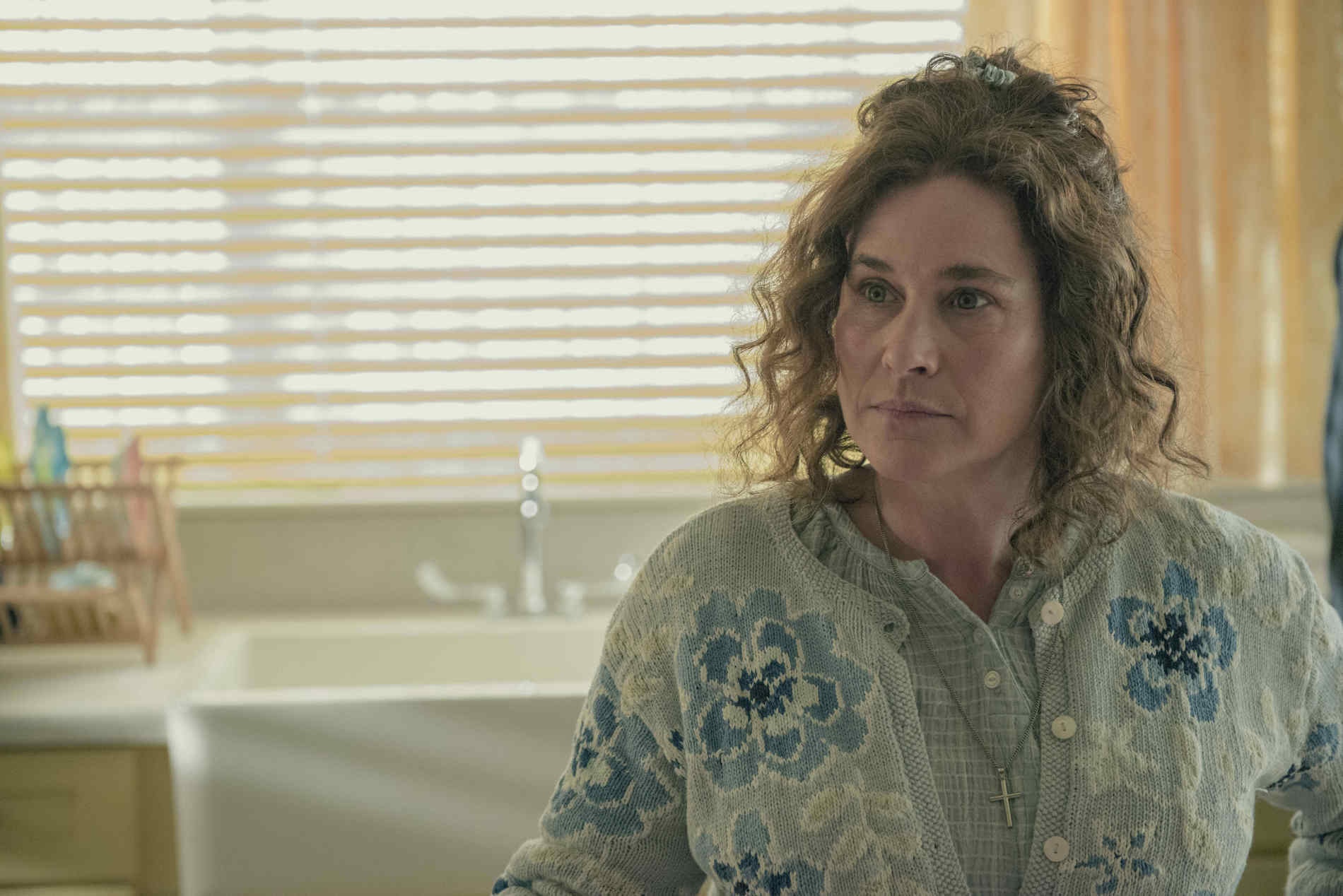
Toni Collette, “Unbelievable”
Collette wears her no-nonsense cop with ease, instilling in the viewer the trust the detective requires to successfully shepherd you through this twisty, at times tedious investigation. Detective Grace Rasmussen doesn’t care about being liked, but you can’t help but root for her while she tracks down the bad guy.
Joey King, “The Act”
Her long résumé can already attest to King’s range, but “The Act” will be the defining role that proves her dramatic chops. As the real-life Gypsy Rose Blanchard, King altered her voice and appearance to become the Munchausen by proxy victim, torn between her desire for independence and her devotion to her mother. Both her obedience and deception are chilling; by the end, it’s hard to remember King is only pretending.
Emily Watson, “Chernobyl”
Watson’s whip-smart, no-nonsense Ulana Khomyuk is a positive presence amid the grim landscape of the Chernobyl disaster’s aftermath. The actor commands the technical language with ease while never letting us forget her humanity, instantly earning trust in Khomyuk’s heroic mission.
Michelle Williams, “Fosse/Verdon”
Williams’ riveting, Emmy-winning turn as Gwen Verdon, spanning decades, is an example of studiousness and authenticity; her vocal mannerisms and ease at dance attest to the fact that this actor really did her homework. But what pushes Williams’ spectacular performance over the edge is simple: She’s having so much damn fun.
OUTSTANDING PERFORMANCE BY A MALE ACTOR IN A TELEVISION MOVIE OR MINISERIES
Mahershala Ali, “True Detective”
Yet another in a string of unmissable performances, Ali’s Detective Wayne Hays further solidifies the actor’s status as one of today’s brightest stars. Watch the way he moves his eyes as an old man, struggling to remember (or intentionally obfuscating?) the details of a case so disturbing, it unfolds over the course of decades.
Russell Crowe, “The Loudest Voice”
We’ve all been dying to shower disdain on Roger Ailes, haven’t we? At least, that’s what Crowe’s performance as the morally bankrupt leader of Fox News invites us to do. In his portrayal, the man’s greed for power, more than money, is his blatantly visible motivation. It’s spectacularly physical acting; Crowe delivers bloodcurdling stares at underlings that only a man of such power could wield.
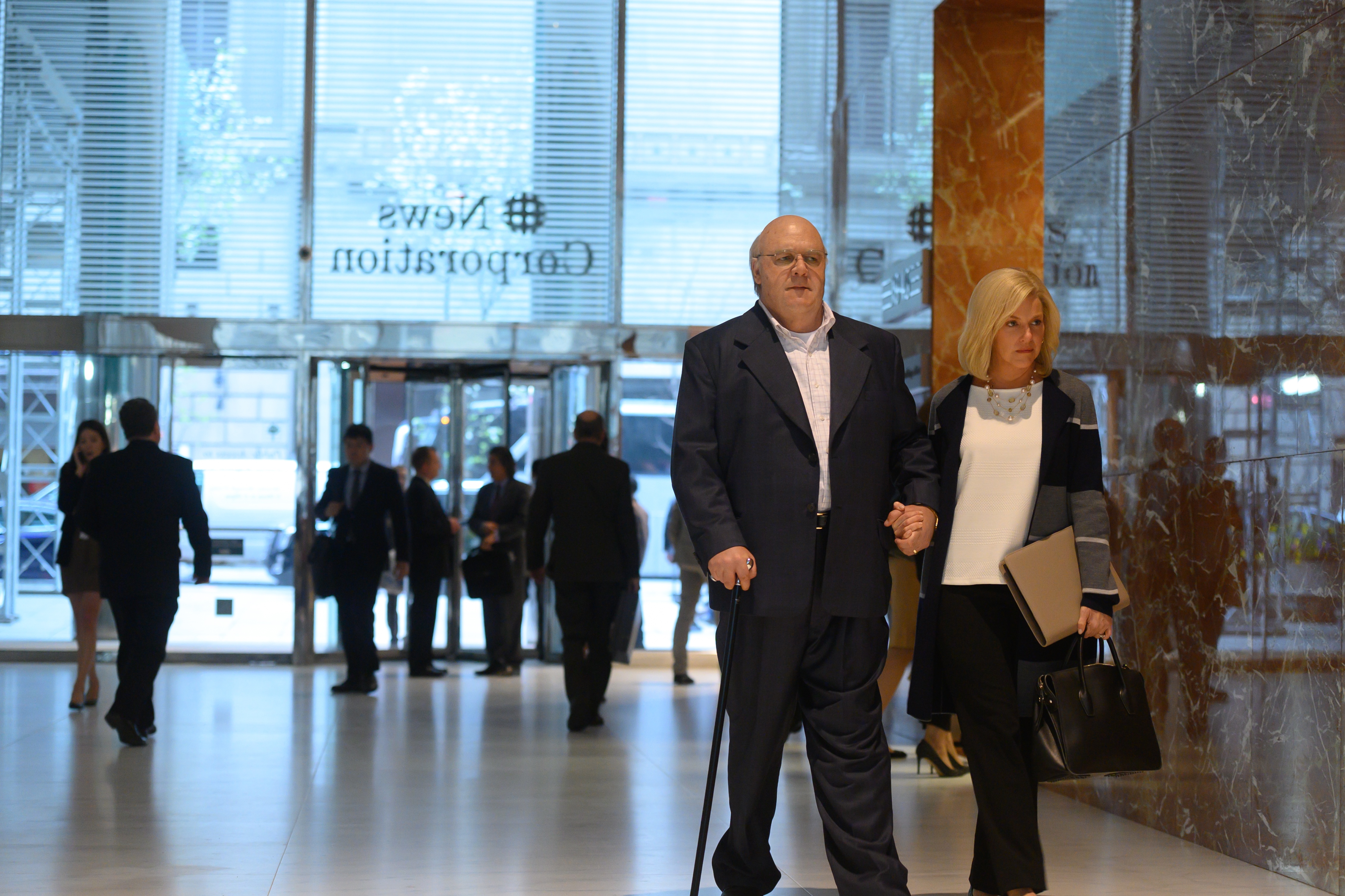
Jared Harris, “Chernobyl”
Fans of Harris are no strangers to the tragic characters he’s played, whether it’s the doomed king of England or an in-over-his-head ad exec. But his Valery Legasov might top them all. A fierce advocate for safety and truth in the face of a criminal cover-up, Harris acts as the series’ guide to truly understanding both the technical and political powers at play in the titular nuclear disaster.
Jharrel Jerome, “When They See Us”
Jerome is the only actor to depict both the teen and adult versions of a member of the Central Park Five. On top of that achievement, the fourth part of this series follows him through the prison system to which he’s been unjustly sent. The Emmy-winning star so vividly captures Korey Wise’s pain as he struggles to maintain his innocence, it’s impossible to forget.
Sam Rockwell, “Fosse/Verdon”
In depicting one of musical theater’s most fascinatingly fraught collaborations and relationships, “Fosse/Verdon” had to grapple with gender dynamics and the way history remembers men who are deemed geniuses. Part of what made Rockwell’s performance as Bob Fosse so refreshing is that he didn’t shy away from showing the director’s notoriously womanizing ways.
This story originally appeared in the Jan. 9 issue of Backstage Magazine. Subscribe here.
Ready to get to work? Check out Backstage’s TV audition listings!