When you think about what it takes to bring a film to life, one of the things that likely doesn’t come to mind is just how solitary an experience it can be. There are so many moving pieces to a film that there must be lots of people and collaboration involved...right? In reality, filmmaking can be a lonely—and extremely difficult—process. But it doesn’t have to be.
We all know that we’re nothing in this industry without a solid, trustworthy, supportive network, and Filmshop aims to provide just that. A “nonprofit collective of independent filmmakers committed to developing new work through peer support and collaboration,” Filmshop offers members a safe, productive space to “workshop projects, offer constructive critique, and incubate new ideas.” And once those ideas are workshopped and critiqued, Filmshop is also there to help filmmakers connect with the talented collaborators they need to bring their vision to life.
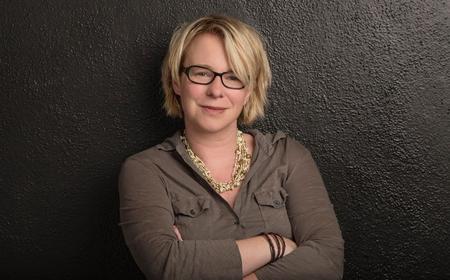
In conversation with Backstage, Charysse Tia Harper, Filmshop’s director of marketing and public relations, shares details on how to gain entry into this immensely helpful club, the power of collaboration, and why constructive feedback is crucial for a successful project.
For the uninitiated, what is Filmshop?
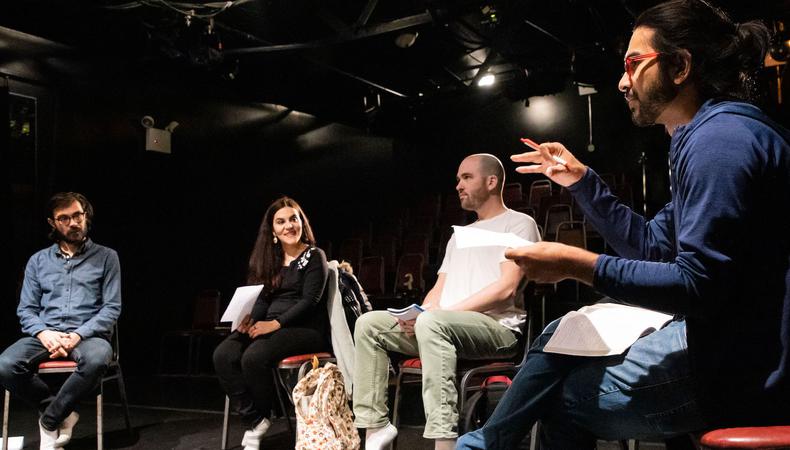
Filmshop is a collective that unites filmmakers. We host season-long, works-in-progress workshops, as well screenings and mixers to promote synergy, and support and inspire members as they create new work. We encourage every member to participate to bolster the collaborative effort of the mission.
How does the “peer support” aspect work?
The peer support aspect works most prominently with our workshops. Held twice a year—spring and fall seasons—these 15-week workshops allow filmmakers to work with each other to further develop a work-in-progress project. Individuals have the opportunity to offer advice and solutions while receiving the same in return. At the beginning of the season, every member sets one or more clear goals and, at every meeting, they share their goals for the coming week. This process helps keep everyone accountable.
 How + Why You Need to Build Your Crew Network
Your works-in-progress workshops are core to the organization; what would you tell someone who’s never experienced a workshop or peer feedback before?
Come into the situation with an open mind. Yes, it is true that some feedback may not be what you want to hear, but it’s given to produce positive results. It is important to note that we have a policy of providing constructive feedback and supporting one another, and excessively negative or judgmental criticism is against our community guidelines.
For the workshop to truly be beneficial for the filmmaker, transparency is key. Allow your fellow Filmshoppers to know your intentions, what you like or dislike about your work, and what you are struggling to achieve. This is the only way to truly obtain the benefits of the workshop.
How do you decide which applicants gain entry to Filmshop/the workshops?
An integral part of the workshop experience is the diversity of perspectives at the table. Each application is closely reviewed by a group of members whom we call co-leaders or co-organizers. They consider a prospective member’s past experience, their goals for the season, and how they might deepen the mix of filmmakers in the group by virtue of their background or unique skills.
August 4 is the final deadline for fall applications in NYC, but we'll be opening up applications again in December for the spring season.
 Want To Make a Film? Take These Filmmakers’ Advice
Why are there several geographically-based branches of Filmshop? What’s the benefit of a hyperlocal community for filmmakers and creators?
Filmshop began in New York but as members started moving to other cities, they decided to create chapters in those areas to continue to our mission, deepen our community, and construct new opportunities for our members. A benefit of there being three regions—New York City, New Orleans, Los Angeles—is that it allows other people to experience the power of the organization.
We'd heard from independent filmmakers in L.A. that they were missing the type of support network offered by a collective like ours. While filmmaking is thriving in New Orleans, our members there also benefit from the sense of community provided by Filmshop, as well as ties to the larger NYC/L.A. film communities. Fall applications for New Orleans close on Aug. 23.
Can you speak to the power of community and someone’s network when it comes to filmmaking?
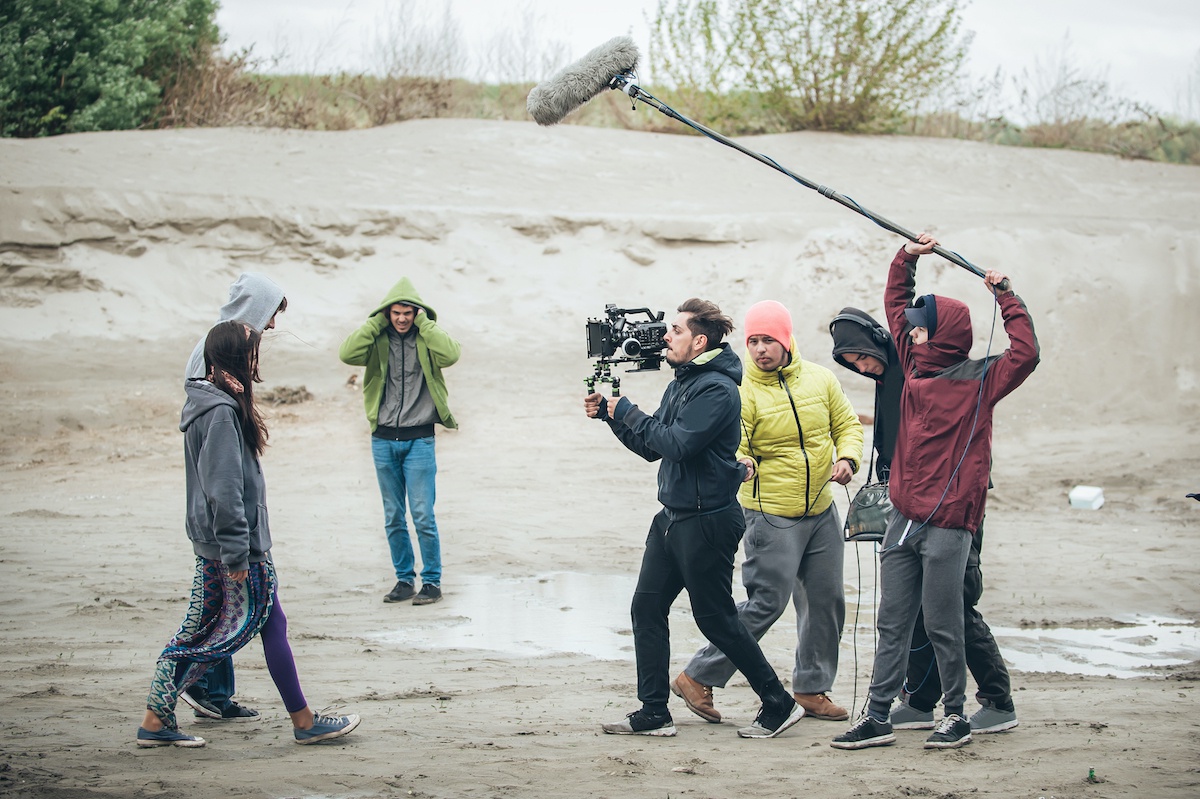
Filmmaking is a collaborative effort. An army, big or small, is needed to make a film, no matter how long or short it is, whether the filmmaker is independent or contracted by a studio. Every filmmaker has succeeded due to the generosity of friends, family, the neighborhood grocer who lets you use their store for a shot, or the pet store owner who gives you permission to use a dog in a film. Filmshop is like that by design. We are a community that understands the struggles you are experiencing because we are working through similar challenges. And we truly want to see you succeed and will support you to see your project through.
Along with the workshops, we also organize public events and opportunities for members to collaborate with one another and network with industry luminaries. Our annual Filmshop Presents series is a themed screening in which we show never-before-seen short films that our members conceive, collaborate, and create based on the theme of the season.
We also have our industry showcase, Breakthrough Series, where our members have a chance to be picked by our jury of industry creators to have their work critiqued by a filmmaking luminary.
Any tips on how to find and build a network as a filmmaker?
The most important aspect of building a network is letting people know that you are making a film or your film exists. Back in the day, going to mixers, volunteering on someone’s film, passing out flyers, and attending festivals/conferences were the only ways to do this. Those are still essential facets.
Additionally, building social media pages, a website, creating a crowdfunding page, joining Meetup groups and communities like Filmshop gives you that extra-added word-of-mouth effect that’s strongly needed. I know it can be scary to put yourself out there, but the only way someone will know about your project is if they know.
What’s one thing you wish every aspiring filmmaker knew about the industry?
One thing for aspiring filmmakers to know about the industry is that filmmaking is now easier than ever before. You no longer need a very expensive camera or state-of-the-art equipment. While there are fans who are impressed with special effects, it all comes down to having an engaging story. A film can be self-distributed with platforms like Vimeo, kweliTV, and Amazon Prime. And there are groups, such as Filmshop, that are there to support you every step of the way.