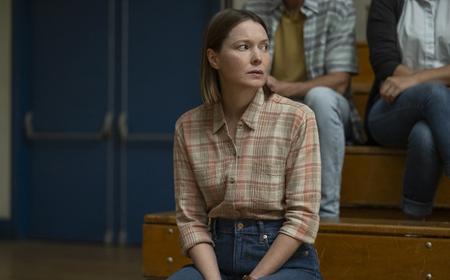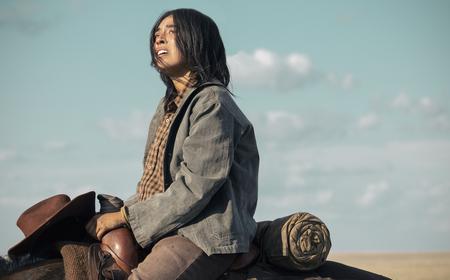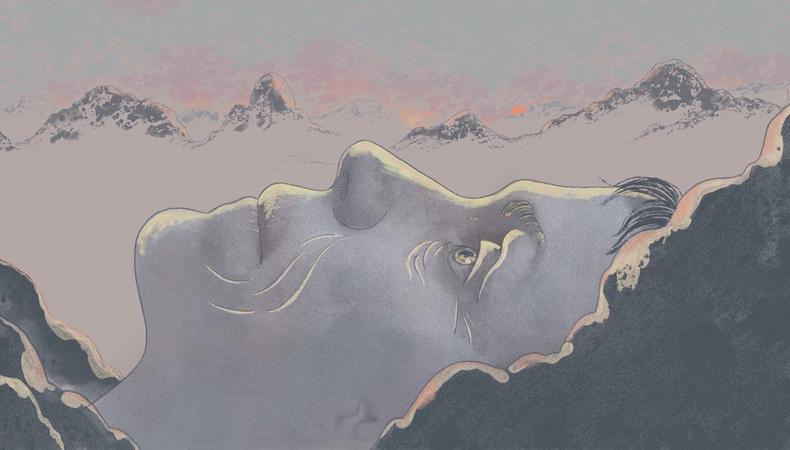
Without its lead, Frances McDormand, and a few other actors, “Nomadland” could be mistaken for a documentary at first glance. People portraying their authentic nomadic lives play major roles within the fictional film’s framework, and it’s that authenticity that draws the viewer into the story. To complete the world, filmmaker Chloé Zhao’s assistant, Hannah Peterson, immersed herself in the worlds of each filming location to find local actors who complemented the principal action onscreen. Her work was integral to ensuring the “real” element in the fiction existed in every layer of the film.
“I really believe that the people who are participating as cast members in something should gain value from it.”
How did you end up doing local casting on “Nomadland”?
It wasn’t originally the plan that I would work so closely with casting. It’s a testament to Chloé’s strength as a mentor—really discerning something that I could do. When they needed someone to go out and find some of the local casting to fill in the textures of what was already there with the script and the characters, I was working so closely with her and the story that it just made sense. It’s honestly what I loved the most. Before and after that, I’ve worked as a casting scout for people who specialize in “real people” casting. It’s something that I feel really interested in and was natural to me.
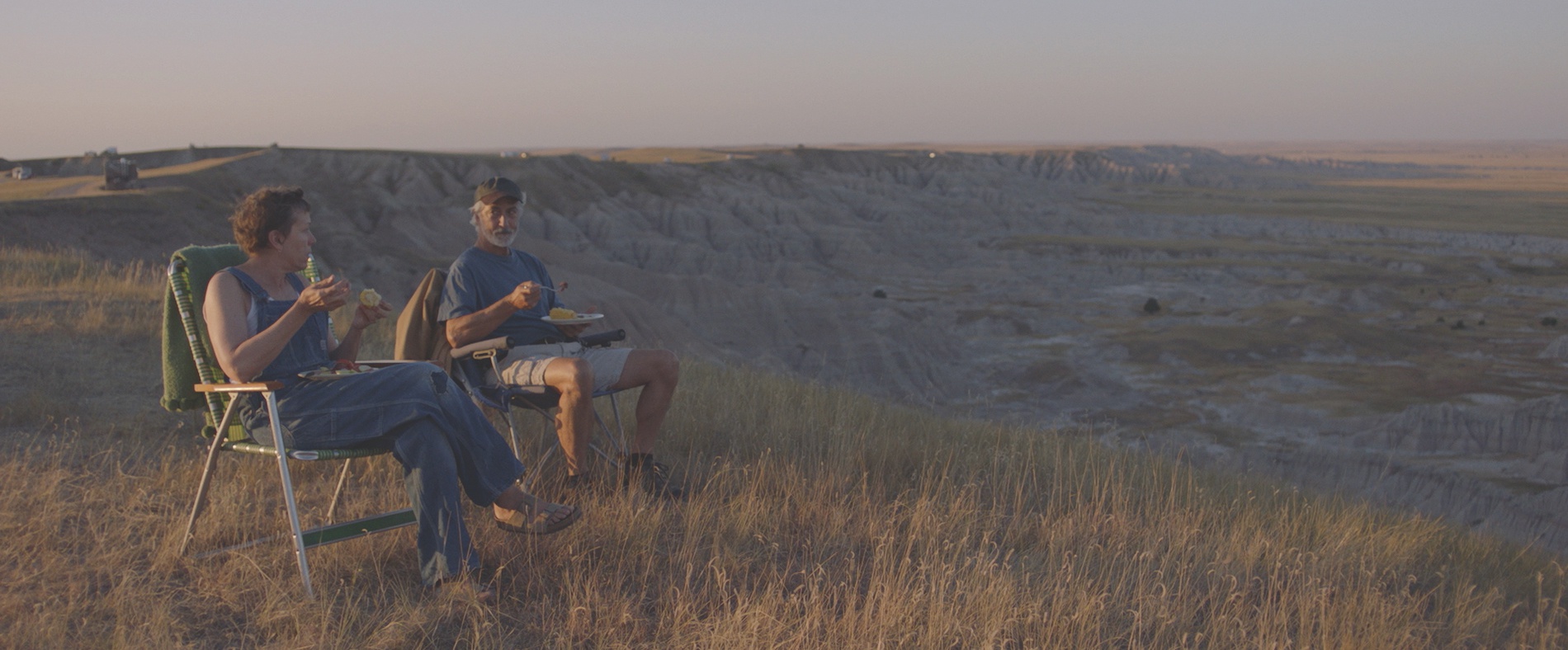 Why ‘Nomadland’ Has One of the Best Acting Ensembles of 2020
 What was your process like?
I would go out a few weeks before the production went to a location, because I didn’t have connections in these places. At first, I just observed. I knew the kinds of characters I was looking for, but I was open to finding interesting people who could be in the fold. Eventually, I introduced myself to people I thought could be access points, who I thought could introduce me to the kinds of people I was looking for. Then, I started to talk to people. Once I was introduced, I was really forthright about what I was doing. It was easy to engage in conversations. Working with someone like Chloé, who has so much credibility, you can just show “The Rider,” and people understand what you mean when you talk about the kind of film she wants to make.
How do you ensure non-actors will come through authentically on camera?
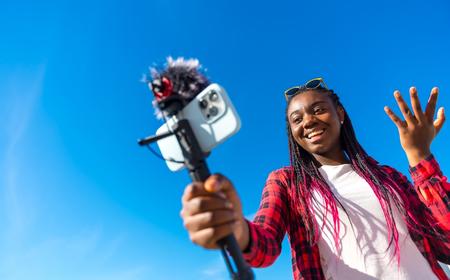
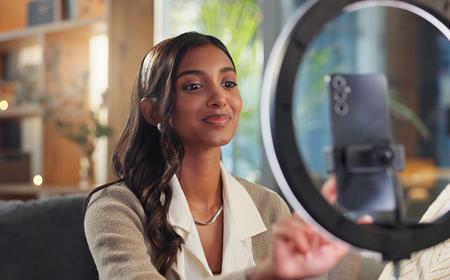
Part of it is a bit of a leap of faith. For me, it’s important to take videos with even just my iPhone very early on in conversations, just to have the presence of some form of a camera lens there. You really get a sense from that how people present themselves [and] how natural they are with the idea of having a camera there. You can get a sense of how they’re going to be when there’s a bigger lens in front of them. So much of it is helping people understand how our production looks and works and understand the different roles, so that it can really melt away on set. Part of it is describing the process and seeing if they understand that.
READ: Chloé Zhao’s Producing Partner Breaks
Down How ‘Nomadland’ Got Made
What advice would you give someone who wants to be part of a production filming in their region?
Ask questions. It’s a two-way street. I really believe that the people who are participating as cast members in something should gain value from it. Sometimes, that means being able to share your story and work with a filmmaker you trust who will really represent that story in an authentic way. You don’t have to understand film production to have those conversations. Just ask how people are wanting to represent your story and your community.
“I think what’s really great about smaller, more nimble productions is that there’s just more space for building relationships. Even the people that were in the cast of “Nomadland”—I think we all left with what felt like a really deep friendship.”
Besides observing, did you do any other research?
“Nomadland” the book is essentially a long-form piece of journalism. That was a lot of research that we all had in terms of understanding the textures of the places that we were scouting and filming in. For the local casting, especially when looking for the younger generation, I did a lot of research in the form of talking to people, because I think that it’s a really misunderstood group of people. So much of it came from having an understanding of where they might be and having conversations with people that I thought might know who they were. That ultimately leads to a lot of other access points.
How does the style of the film impact who ends up getting cast?
There are a few things. One is [that] someone who wants to be involved in it is a major entry point: people who give you access to their stories and are open to sharing, and I think also understand the level of commitment that it takes to be a part of something. Those are just logistical parts of casting. It’s looking for people who have really interesting and charismatic faces and presence. Then, it’s about hearing people’s stories and lived experiences and discerning if that is something that will add to the story itself.
What were some of the challenges you ran into during this process?
Well, they are nomadic! Even if I was there two weeks ahead, you couldn’t always guarantee that they were going to be there when we got to production. I think that was the most challenging part—having to make changes on the fly when we needed to and really understanding that these are people who might not necessarily be there in a week.
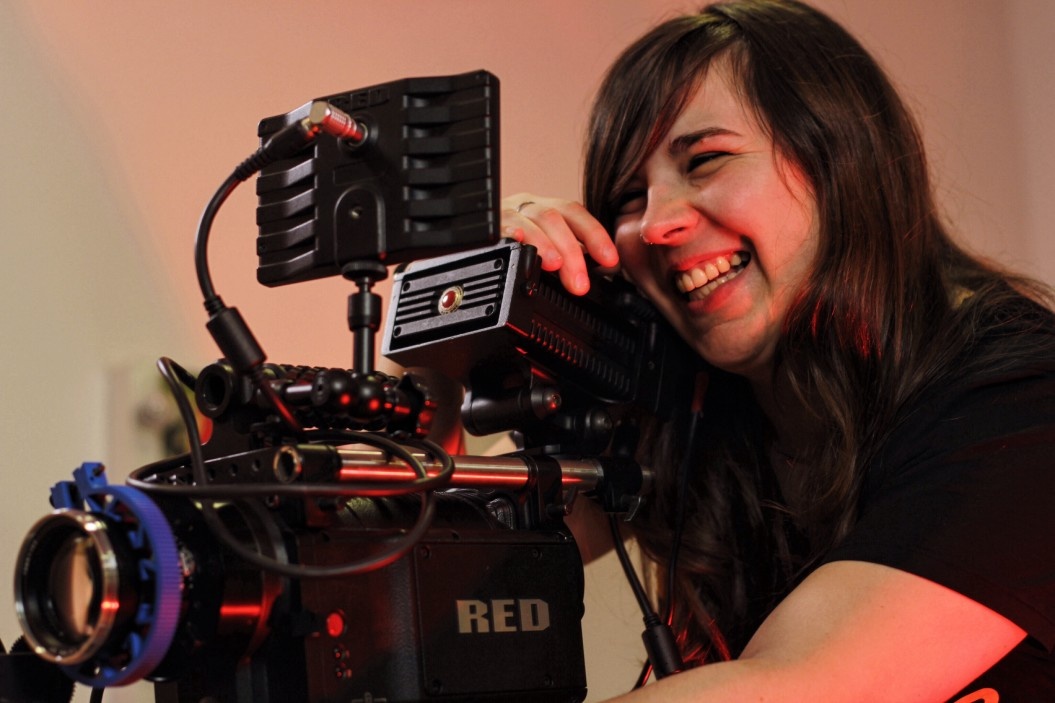 Why Indie Film Sets Are the Best for Actors
 Before “Nomadland,” what experience did you have with casting?
On “The Florida Project,” I was there before a lot of the crew came in for production, and they were doing local casting. They had a really great casting director doing local casting in Florida. I was basically assisting and going along with them. That was the first time I really got to see what that role is like, how that works, how to engage people, how to gain their trust, and how to explain the process of a director like Chloé to them and engage that conversation. Then, just in my own films. My experience in casting was really as a filmmaker and in helping other directors [and] understanding the process of what it means to engage [with] people and their stories.
What is different about this kind of indie filmmaking compared with what people might imagine on a big-budget set?
I think something that people get wrong about this kind of film with a hybrid or realistic feeling to it is that there is a script, and it is constructed, and there is so much planning. There’s a huge production behind it. It’s not like a documentary that’s on the fly. It is very premeditated and very constructed. Something that makes it really different is the people who are involved in the production. It takes a lot of confidence, bravery, and collaboration to be able to make something that is able to respond to the world around it and to go in with a lot of planning, and also be open to responding to what is happening right in front you on the day with the people that you’re with, and what is happening in the environment that you’re filming in. That takes a lot of skill, to have a sense of improvisation behind the camera.
What should actors and filmmakers know about being part of an indie film?
It’s very collaborative. That’s one of the great things about a production like this: Everybody has a voice in it. Also, that things never go as planned. Be open to that. I think what’s really great about smaller, more nimble productions is that there’s just more space for building relationships. Even the people who were in the cast of “Nomadland”—I think we all left with what felt like a really deep friendship. It’s like they folded into members of the team. That is something that is really unique to independent film production that might not happen on a bigger set, where people get a little lost.
This story originally appeared in the March 25 issue of Backstage Magazine. Subscribe here.
Looking for remote work? Backstage has got you covered! Click here for auditions you can do from home!