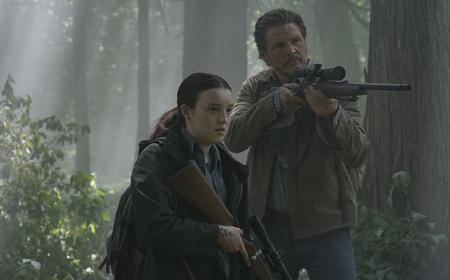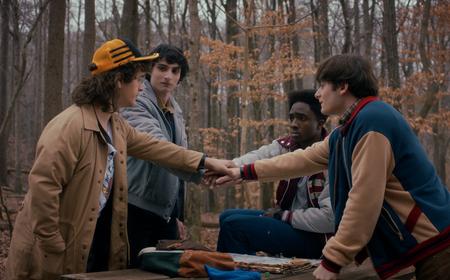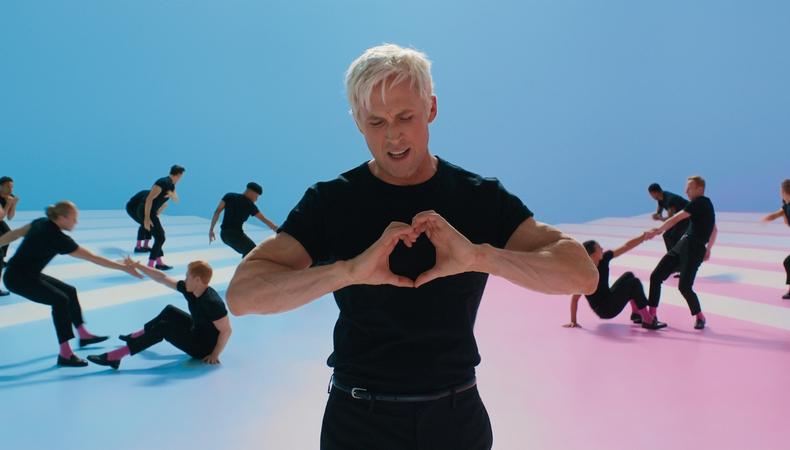
Whether it’s Ryan Gosling breaking into a Kenergy-filled ballad in “Barbie” or Olivia Munn wielding a katana for “X-Men: Apocalypse,” having an array of skills is integral to finding success in the industry. Exploring new areas of competence as an actor enriches your craft and makes you more marketable to agents and casting directors. Here’s a breakdown of why learning new skills is necessary for performers to captivate audiences and secure a variety of roles—plus some of the best ones to master.
JUMP TO
Acquiring new areas of proficiency helps you grow creatively, professionally, and personally. The educational process allows you to continually surprise your audience and prevent stagnation in your performance. Whether it’s mastering the intricate steps of dance, perfecting vocal nuances, or delving into the depths of character portrayal, each skill unlocks a realm of possibilities.
The amount of time it takes depends on your prior experience and natural aptitude, the amount of time you dedicate to practice, and the complexity of the skill itself. While noted author Malcolm Gladwell has written that it takes 10,000 hours to master a complex skill, according to specialist Josh Kaufman, “You can go from knowing absolutely nothing to performing noticeably well in a very short period of time: approximately 20 hours, often less.” Strive to spend at least 20 hours on your newfound ability—you may find that you enjoy it so much that you end up more toward the 10,000-hour range.
Kozlik/Shutterstock
1. Voice control
Voice control and diction is essential for clarity and emotion in performances, since a clear voice can echo emotions across stage, screen, and voiceover performances. Draw inspiration from sonorous speakers like Meryl Streep, who uses her voice to convey powerful emotions.
Start by engaging in vocal warm-ups and exercises daily to strengthen your vocal cords. Work with a vocal coach to learn techniques for breath control, projection, and articulation, and practice reading aloud while enunciating clearly.
2. Accents
Accents and dialects allow you to breathe life into characters from all walks of life: Listen to the many accents of Daniel Day-Lewis—whose range includes his native English, an Irish lilt, and an American twang—to witness the power of mastering different ones.
Immerse yourself in the accent or dialect you wish to learn to add to your own repertoire. Use resources like accent training books and online courses, or work with a dialect coach who can provide personalized feedback and practice scripts.
3. Singing
Singing is a skill that’s useful beyond just enchanting audiences as a professional songbird. It’s also required if you want to break into musical theater or perform in any production that needs a melodious voice. For example, Emma Stone polished her singing abilities to perform in “La La Land.” “I definitely love to sing and dance, but those weren’t my stronger suits growing up,” Stone told us. “I took singing and dancing lessons most of my childhood and did youth theater, but acting was what I was in love with. I understood that to sing and dance in a way that wasn’t technically perfect required, you know, acting.”
If you want to similarly trill in the la la lights, join a choir or take singing lessons to understand the basics of pitch, tone, and breath control. Practice regularly and explore different musical genres to challenge your vocal range and versatility. Recording yourself can be a great way to monitor your progress.
4. Dance and movement
Understanding the basics of dance and movement can aid in physical expression and is crucial for roles in musical theater and performance art. Embrace bodily poetry like the ballet dancer Michaela DePrince, whose graceful movements redefine storytelling onstage.
To begin, enroll in dance classes that focus on the styles most relevant to your performing interests, such as ballet, jazz, hip-hop, or contemporary. Regular practice is key, as is learning to understand and listen to your body's movements. Workshops and online tutorials can also be beneficial for learning specific choreographies or techniques.
5. Improv
Improvisation skills make performances more natural and dynamic. Consider the brilliance of comedy masters like Amy Poehler and Keegan-Michael Key, who both participated in the legendary Second City improv club. “Improvisation is creating a player doing instantaneous playwriting,” Key explained. “It’s creating a moment, creating relationships, creating an environment, creating a conflict—instantaneously. Then it’s ethereal. It vanishes. Theater is something that you’re trying to build in reactions to behavior. The ideal in theater is that one would know the material in their marrow, so that every night you’re picking up on the nuances of the other performers in such a way that you are having organic, instantaneous, brand-new experiences in the moment.”
Participate in workshops or join an improv group to develop your spontaneity and creativity. Practice exercises that help you think on your feet, shorten your reaction time, and collaborate with others onstage.
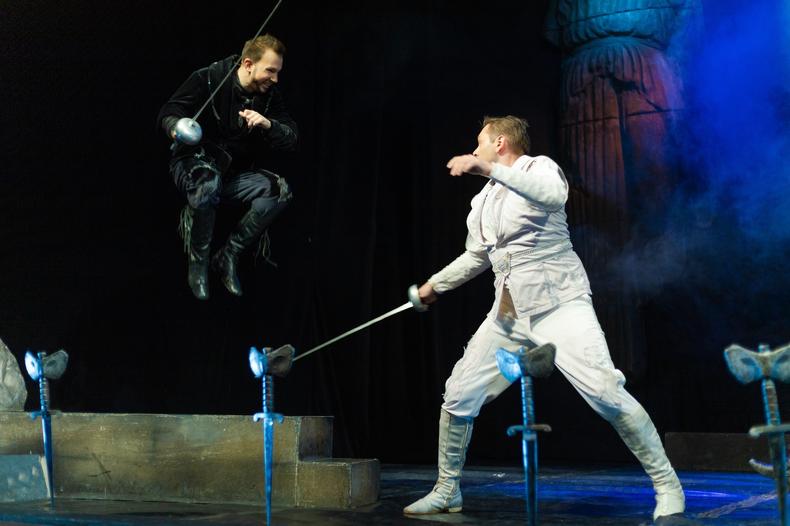
6. Stage combat
Combat and stage fighting can be crucial to safely perform combat scenes in action-heavy roles. Embrace the legacy of stars like the cast of “Cobra Kai,” whose mastery of martial arts blur the line between art and adrenaline.
Take classes or workshops in stage combat to learn the basics of safely choreographing fight scenes. Training with a professional can ensure you learn the correct techniques to make fights look realistic while keeping safety paramount.
7. Play an instrument
Musical proficiency with one or more instruments can add depth to your skill set. From the pastoral strains of the oboe to the bold crack of the snare, musical ability adds layers to an actor's repertoire. If you need musical motivation, look no further than Jamie Foxx, whose piano prowess made his performance even stronger when he portrayed Ray Charles in the biopic “Ray.” Director Taylor Hackford deemed Foxx’s abilities a “confluence of talent that is crucial to this role.”
Choose an instrument that interests you and start with basic lessons, either online or with a teacher. Regular practice is essential, as is setting incremental goals to keep motivated. Joining a band or ensemble can provide valuable practice in playing with others.
8. Physical fitness
Physical fitness and flexibility allow you to take on physically demanding roles and transform the stage and screen into a playground of possibilities. A regular workout regimen also makes it easier to pack on the muscle if you’re asked to get in shape fast for a role, like Hilary Swank did to portray a boxer in “Million Dollar Baby.”
To better your fitness, strive to establish a routine that includes cardio, strength training, and flexibility exercises. Practices like yoga and pilates can be particularly beneficial for actors, since the focus on core strength, balance, and flexibility can enhance your physical presence.
 How Actors Transform Their Bodies for Roles
 9. Emotional intelligence
Emotional intelligence is key to compelling and convincing performances. Cultivate mindfulness and empathy so that you can inhabit characters in a nuanced, authentic way. Take cues from the likes of Anthony Hopkins, whose emotional depth allows him to take on diverse roles such as cannibalistic serial killer Hannibal Lecter and devastatingly mad King Lear.
Practice mindfulness and emotional awareness exercises to better understand and manage your emotions. Participating in acting classes that focus on emotional expression and character development can also help you access and portray a wide range of feelings.
10. Cold reading
Cold reading, or reading and interpreting a script effectively with little preparation time, is invaluable for auditions and initial readings.
Practice cold reading regularly by picking up scripts or books and reading them aloud without preparation. Attend workshops or classes focused on audition techniques so you can quickly interpret and perform material.
11. Public speaking
Public speaking skills can aid in stage presence and the ability to engage with an audience. To play Barack Obama in “The First Lady,” for instance, O-T Fagbenle refined his oration abilities by making notes on the former president’s unique voice to get to his “level of specificity.”
If you want to upgrade your own speech-making skills, try joining a club like Toastmasters or take courses in public speaking to build confidence. Practice speaking in front of friends or family and seek constructive feedback.
12. Body language control
Mime and clowning allow you to express emotions and stories through body language alone. Jean Dujardin’s mostly-mute brilliance as silent film star George Valentin in “The Artist” speaks (or rather, doesn’t speak) to the importance of body language in storytelling.
Enroll in pantomime or clowning workshops to learn the art of expressing stories and emotions through body movements and facial expressions. Practice regularly to develop your nonverbal communication skills and physical comedy techniques.
13. New acting techniques
Acting techniques provide you with a toolkit for character development and performance. Practice emulating Marlon Brando, who studied Stanislavsky’s System under Stella Adler and used that technique to craft his portrayal of Stanley Kowalski in “A Streetcar Named Desire”—including, fittingly, his iconic “Stella!” scream.
Study different acting methods, such as Method, Meisner Technique, and Uta Hagen’s Technique. Experiment with various techniques to find what works best for you and apply these methods in your practice and performances.
14. Camera awareness
Camera awareness and knowledge of angles, framing, and continuity is crucial. Learn from actors like Viola Davis, whose luminous onscreen presence captivates audiences worldwide.
Taking acting classes will help you learn the technical aspects of acting in front of a camera, including hitting marks, working with lighting, and understanding framing. Practice self-taping to become comfortable with performing for the camera and reviewing your work critically.
15. Social media prowess
Social media prowess allows you to build your brand and connect with audiences and industry professionals. Let your personality shine through your social media pages, like Zendaya does with her mix of advocacy and promotional posts on Instagram.
Learn about personal branding and social media marketing through online courses or workshops. Create and maintain professional profiles across platforms and engage with your audience by sharing your work, insights, and professional milestones.
For performers, the pursuit of new skills is more than a professional mandate; it's a pathway to artistic freedom and versatility. By dedicating time to developing a wide array of talents, you open yourself to a world where every role is within reach, and every performance an opportunity.