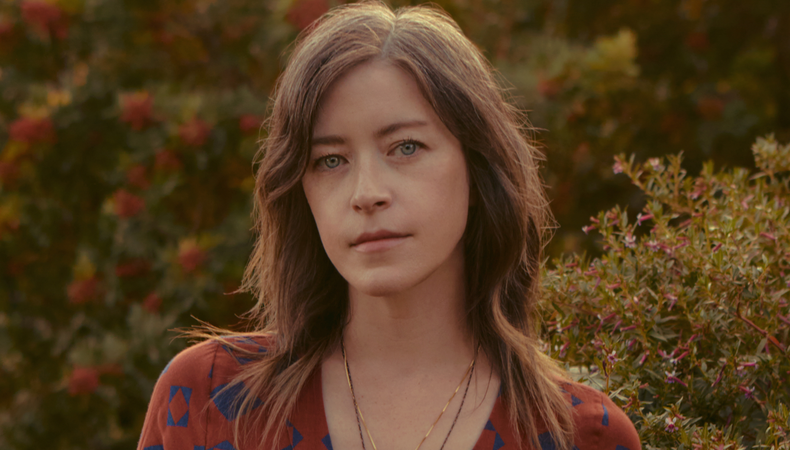
“In the Envelope: The Actor’s Podcast” features in-depth conversations with today’s most noteworthy actors and creators. Join host and Awards Editor Jack Smart for this guide on how to live the creative life from those who are doing it every day.
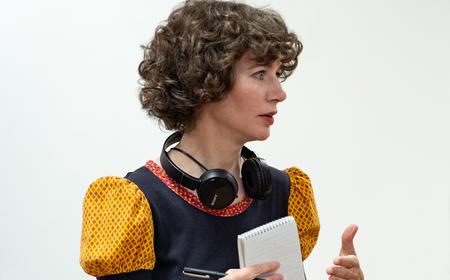
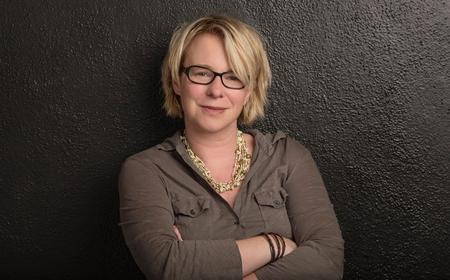
“The dirty secret of all elements of art these days—television, film, novels, whatever your medium is—is that every story has been told,” says Julia Hart, “It just hasn’t been told about every person.”
The guiding light, then, for Hart and other writer-directors like her working today, is to create “tried and true stories, familiar stories—the hero’s journey, the villain’s redemption, so many great stories,” as she says—featuring contexts and people not typically featured on screen. That’s what can not only spur Hollywood beyond shallow gestures toward diverse representation, but give filmmakers seeking a way into that industry an artistic mission, says Hart: “Finding new ways to tell old stories about different people.”
That has been a central part of her mission since making the leap to a career in the arts after years of teaching. A New Yorker and Columbia University graduate, Hart taught high schoolers while writing the occasional screenplay on the side; one, “The Keeping Room,” ended up on the Black List and became a feature film in 2014 after her move to Los Angeles. “I did that thing that some artists do where I guess I didn’t believe in myself enough, or I was too scared to take the risk,” she remembers.
“I also needed to be a teacher for eight years,” Hart adds. “It was a very important and informative part of my life that I use a lot, especially as a director. Leading a classroom and running a set have a lot in common.”
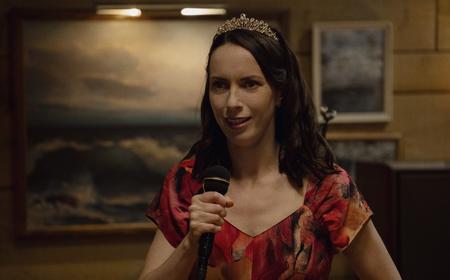
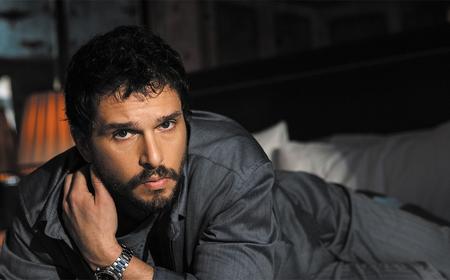
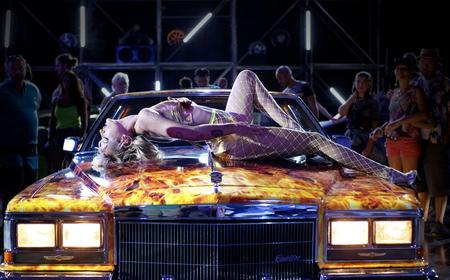
It was also partly thanks to Jordan Horowitz, Hart’s husband, writing partner, and film producer, that she felt ready to pursue filmmaking full-time. He’s served as co-writer and producer of the films that have made Hart a rising behind-the-camera star: 2016’s “Miss Stevens,” her directorial debut and SXSW hit starring Lily Rabe and Timothée Chalamet; “Fast Color,” her 2018 riff on the superhero genre starring Gugu Mbatha-Raw; this year’s Disney+ teen musical drama “Star Girl”; and most recently Amazon Studios’ “I’m Your Woman,” a 1970s-set crime noir starring Rachel Brosnahan as a housewife on the run.
Inspirations for each of these stories, Hart says, stem from any number of sources. “Sometimes an idea will just come out of nowhere and then sometimes an idea will come out of another piece of art, a song or a movie. When we came up with the idea for ‘I’m Your Woman,’ we were on a particular ’70s crime genre binge.” She laughs. “That’s always really fun when you are just watching movies because you love them and then you have an idea for a movie to make yourself. And then you get to go make it! What’s better than that?”
“I’m Your Woman” was also born out of that idea of telling familiar stories with new focuses. Hart began wondering about the fate of the female character in Michael Mann’s 1981 film “Thief,” Tuesday Weld’s Jessie, after she’s sent away. “I turned that wondering into a character,” she explains. “Perhaps there was a story, and her own movie for where that character goes.”
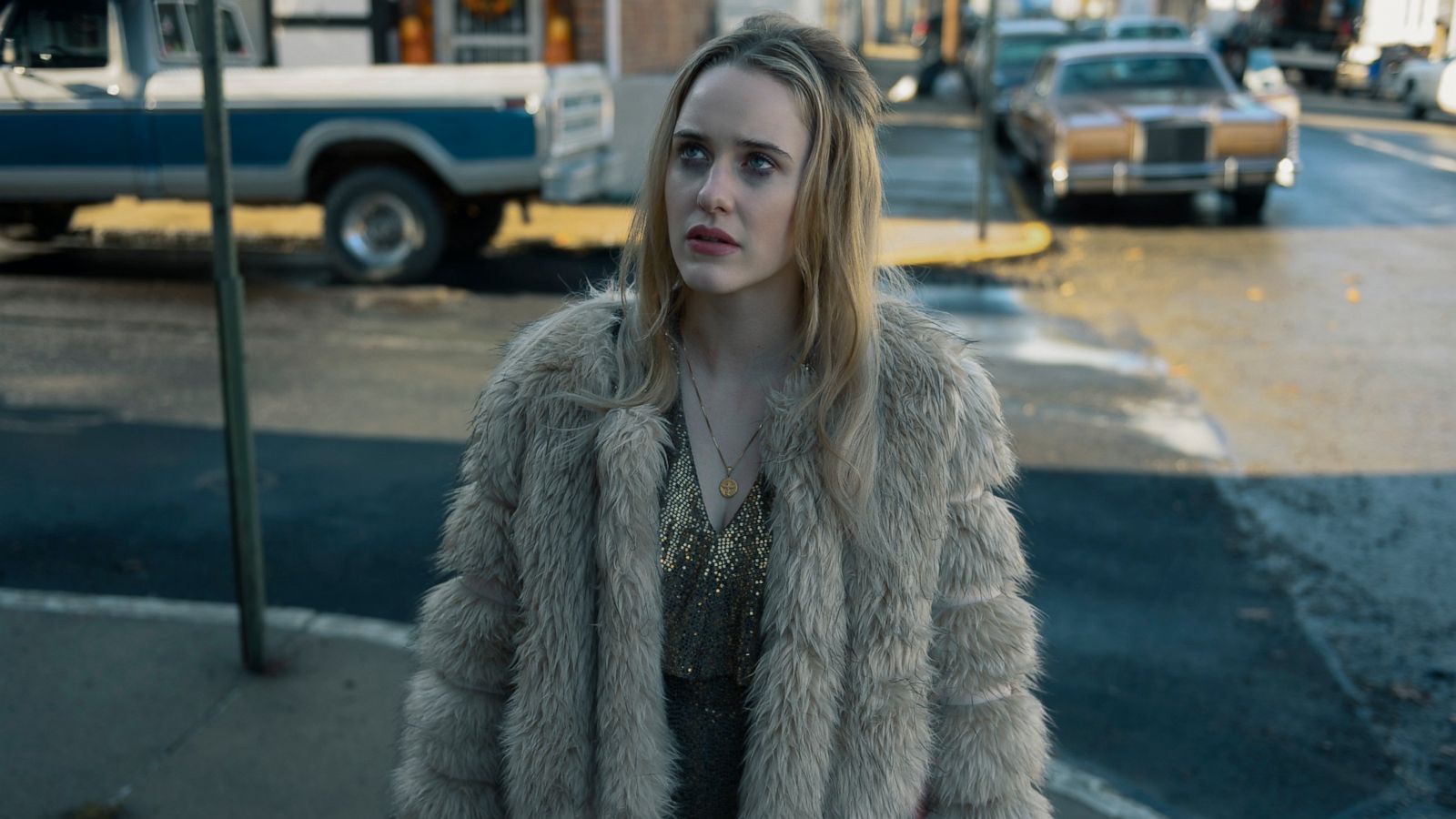 With ‘I’m Your Woman,’ Julia Hart Writes Women Into the Mob Movie Genre
 How can a writer or director experiment with subverting filmmaking genres? “One of the most important things about ‘breaking’ genre is knowing that genre intimately,” says Hart. “I actually think you have to love a genre in order to even be interested in breaking it. The breaking of it is actually not because there’s anything wrong with the genre; there’s just been a very big, very important section of the population that has been left out of it for so many decades.”
Hart also has plenty of tips for actors—“casting and working with actors is my favorite part of making movies,” she enthuses—whether they’re auditioning in person or via self-tape. And for any aspiring artist, her advice is simple: Don’t wait for permission to tell your story. “I wish that I had been braver about putting myself out there when I was younger,” she admits.
“One of the mistakes that gets made is thinking that, as a young artist or an underrepresented artist, when you do finally get the opportunity...you have to represent either your gender or your race. Or you are worried that because you are a woman or a person of color, that these other people aren’t going to listen to you or take you seriously. I think a lot of young artists make the mistake of acting like they know everything and making themselves be inauthentic, which is obviously the opposite of being an artist.”
 How to Make an Indie Film
 Kicking off this News Year’s Eve episode of “In the Envelope,” Jack is joined by podcast team members Christine McKenna-Tirella, Kasey Howe, Benjamin Lindsay, and Samantha Sherlock, selecting their favorite film and TV performances of 2020. Later, Christine provides a recap of the year in Backstage, including all newly added features and resources available to working artists (plus some more on the horizon)! Tune in wherever you listen to podcasts.
Listen now on:
Looking for remote work? Backstage has got you covered! Click here for auditions you can do from home!